Reviewed · CITY TOURS
Antigua Guatemala & Guatemala City Tour
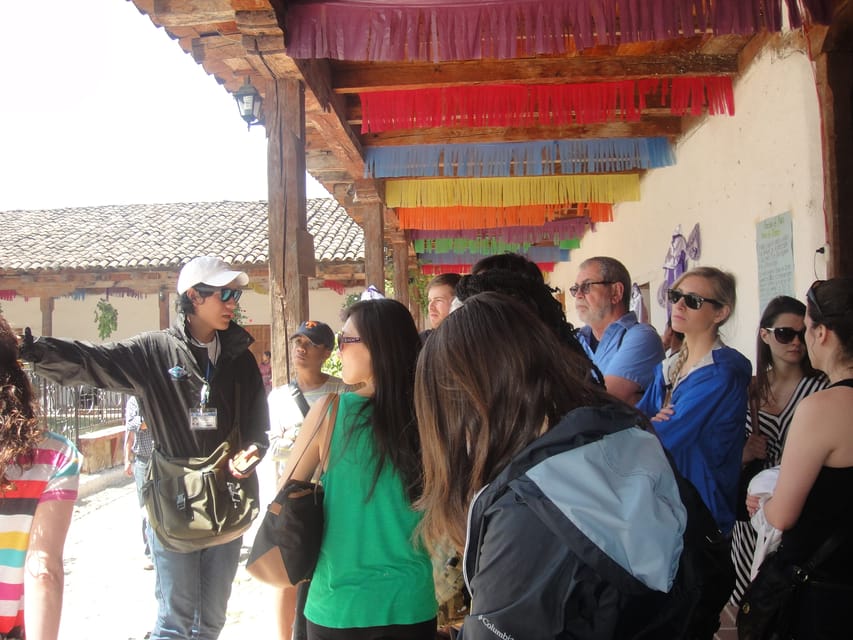
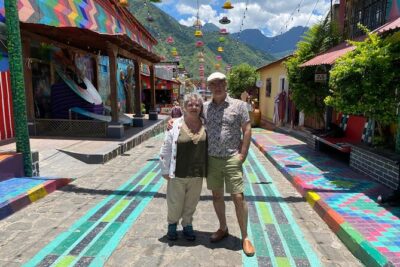
This is the kind of Guatemala day that helps you understand both sides of the country, the modern capital and the colonial heart of Antigua, in one smooth plan. I especially like the mix of big-city architecture plus street art in Guatemala City, and then the moment you step into Antigua’s cobblestones and walk the old squares and churches with an expert guide, like Juan Pablo (JP), Adolfo, or Alfredo showing you what to notice.
One consideration: the Guatemala City portion includes lots of short stops and views from the road, so if you want extended time at every site, you may feel a bit rushed compared with Antigua.
Key highlights worth your attention

- Dagoberto Vásquez murals and Carlos Mérida mosaics in the Civic Center area, with the stories behind them
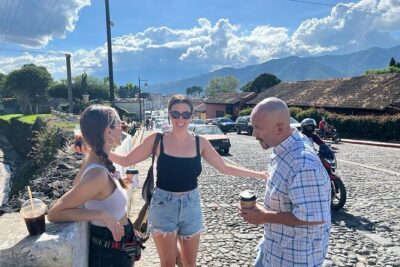
- UNESCO Antigua walking time on cobblestones, with key churches and landmark squares on foot
- Santa Catalina Arch and the cloistered nuns story tied to history and earthquakes
- Central Market time in Guatemala City, including handicrafts and textiles for practical gifts
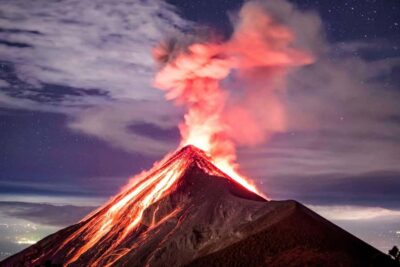
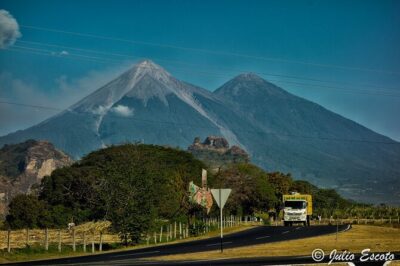
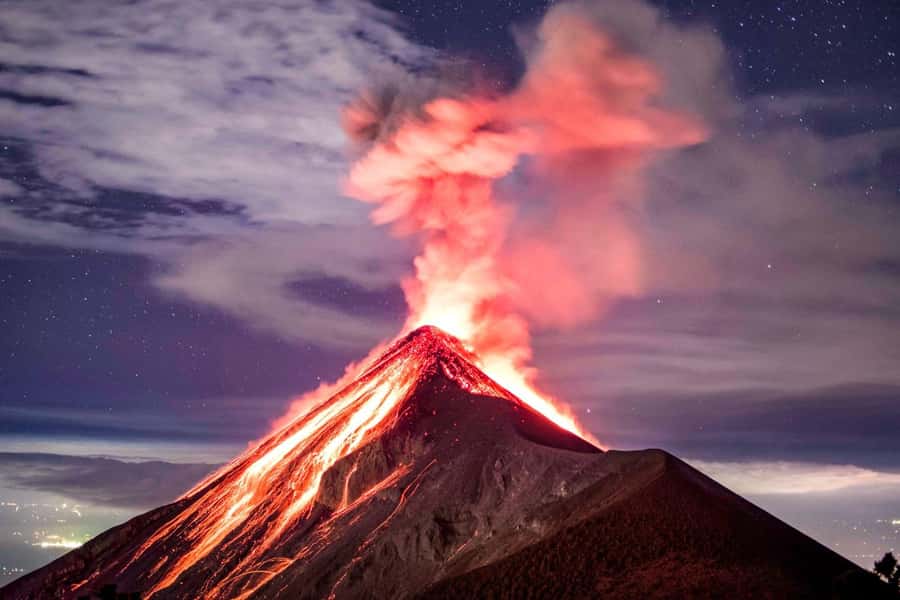
- Pacaya-area viewpoints from Plaza Berlin, weather and visibility permitting
- A small-group feel with a maximum of 20 people, plus hotel pickup on select routes
A day that links Antigua’s cobblestones to Guatemala City’s plazas

This tour is built for first-time visitors who want an orientation day without hiring two separate guides. You start in Guatemala City and end there too, but the center of gravity is Antigua. About 45 minutes west of the capital, Antigua gives you the slower, walkable experience. Back in Guatemala City, you get the urban story, including the post-1950s civic buildings and the public art that frames modern identity.
The route also teaches you something useful: Guatemala isn’t only one style. Antigua shows Spanish colonial layout and Baroque church grandeur. Guatemala City shows mid-century civic planning, national institutions, and contemporary culture mixed into everyday life.
And because you travel with a guide, you learn what to look for instead of just taking photos and hoping everything makes sense.
A short list of other Guatemala City options
Getting started at 8:00 am, and why timing can change in Guatemala City

The tour starts at 8:00 am, with hotel pickup and drop-off at select hotels. That early start matters because Guatemala City traffic can affect how quickly you move between stops, and at least a few guide teams have had to work around delays.
Also, this is a long day at roughly 10 hours. Expect a lot of in-and-out moments. Some locations are quick photo and exterior time, then you’re back in the vehicle. Antigua is the part where you’ll do more walking and slow down, so save your energy for the cobblestones.
Practical tip: wear shoes you trust on uneven stone, because Antigua’s ground can turn a “short walk” into a long one if your footing is wrong.
Antigua’s La Merced Church and the feeling of arrival

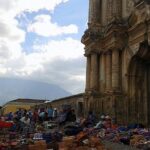
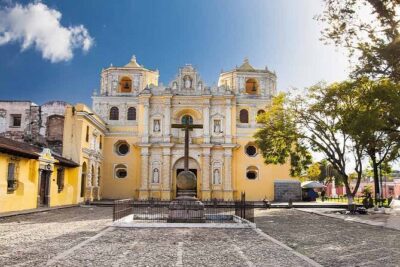
Antigua’s Antigua-like day starts with Iglesia de La Merced. This church is described as an Ultrabaroque style temple with two bell towers. The facade also includes a sculpture of San Pedro Nolasco in the upper area, a detail that’s easy to miss if you’re not told where to look.
If you only visit Antigua once, this stop is a smart opening. La Merced sets the theme for the day, big church energy, careful facade details, and a sense of how religious orders shaped the city’s layout. It also cues you for the later nuns-related architecture.
Good news: entry is listed as free here, so you’re not juggling extra paid steps right away.
Santa Catalina Arch, nuns, and why it survived earthquakes

Next comes the Arco de Santa Catalina, an important connector built to link cloisters so nuns could cross while avoiding being seen. The architecture is tied directly to the rules of cloistered life, not just tourism convenience.
After the earthquakes of 1773, the arch took on added importance due to later arrangements, including the construction of a turret. You’ll also see references to a French-origin watch included in the historical story. It’s one of those stops where the guide’s job really matters, because without the context, it can look like a nice stone arch and not an engineering solution to strict religious life.
It’s also a short stop, so you’ll roll into the next area before you even feel tired.
Nearby, and a completely different day:
- Private Shuttle in Guatemala
★ 5.0 · 262 reviews - PRIVATE SHUTTLE AIRPORT/ANTIGUA – LAKE ATITLAN or VICEVERSA
★ 5.0 · 220 reviews - Private Ground Transfer Airport – Antigua Guatemala
★ 5.0 · 216 reviews - From Flores: Tikal Sunrise Archaeological Tour
★ 4.5 · 147 reviews
Central Park in Antigua, Sirens’ Fountain, and Spanish colonial planning

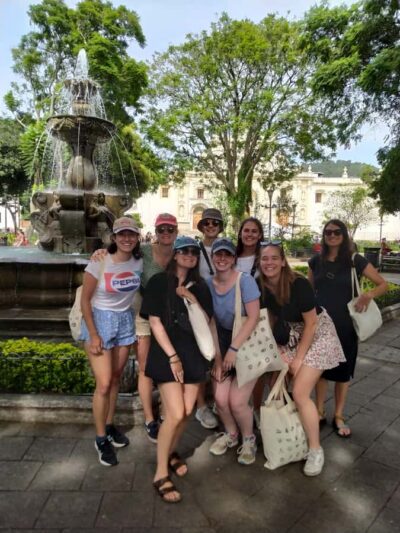
Antigua’s Central Park is where the city’s planning shows itself. You’re surrounded by key buildings and a layout pattern used across Spanish colonies. It’s not just pretty streets. It’s an urban design that shapes how people move.
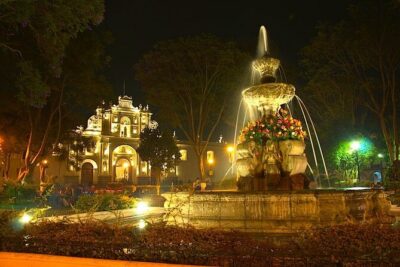
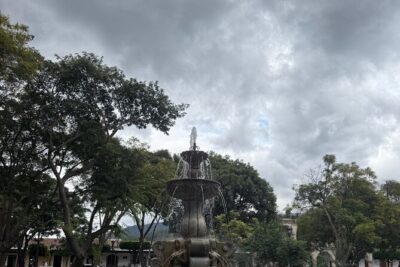
Here you’ll also see Las Sirenas fountain. The story connected to it is dramatic and very human, involving a count’s command tied to his daughters and the fountain as memorial. Stories like this are why I prefer guided time in Antigua, because you’re not guessing what a sculpture is saying.
Plan on a longer stretch here because the stop includes time to take in the square and the main landmarks around it, including the Palace of the Captain Generals and the Town Hall area.
San José Cathedral and the underground nuns’ shortcuts

Antigua’s big church moments continue with San José Cathedral. The church is highlighted as a key stop, and the Baroque architecture is a real draw.
But the detail I like best is the guide explanation about underground passageways used by cloistered nuns to cross the street without breaking their seclusion. That piece turns the city from a set of postcards into a functional place shaped by rules, geography, and community life.
If you like architecture but also like stories you can repeat at dinner later, this is the part that sticks.
Tanque de la Unión, laundry history, and how everyday life shaped the city

Not all Antigua stops are churches and palaces. You’ll visit Tanque de la Unión, described as one of Antigua’s most representative laundries. It matters because it reflects how the city worked for everyday people, not just elite families.
The idea is simple but meaningful: only big houses had private laundry space, so most residents relied on public laundries. The tank was inaugurated in the mid-1800s, and it’s a reminder that Antigua’s history is also about work routines and shared infrastructure.
This is a good stop if you want your day to feel balanced, not only sacred buildings and viewpoints.
Jade Maya and El Carmen ruins area, practical shopping without pressure

You’ll also stop at Jade Maya, described as an original jade factory, museum, and showroom. The day notes that local Guatemalan workers cut and polish jade following carving traditions from earlier civilizations. For me, this is one of the better shopping-linked moments because you’re not only browsing products, you’re seeing a craft process.
Next you visit the El Carmen craft market area tied to the El Carmen ruins. The ruins have a facade described with stucco-covered bricks, two levels, and columns arranged in a specific way that keeps the temple unique even today. Then the adjacent craft market gives you a convenient place to pick up souvenirs like textiles, small leather items, and jewelry.
A quick note: these stops can be time sinks if you love browsing. If you buy nothing, still take 5 minutes to look closely at what’s made, because it makes later market browsing in Guatemala City easier to understand.
Antigua to Guatemala City transfer: air-conditioned comfort, then a new rhythm
After Antigua, you transfer back toward Guatemala City. The ride is described as about 45 minutes in air-conditioned comfort, which is a nice reset after cobblestones and walking time.
Once you’re back in the city, the tone changes. You’re moving between major boulevards, monuments, and civic landmarks. You’re also switching from the charm of old stone to the scale of government and national institutions.
If you’re the type who gets overwhelmed by big cities, don’t worry. The guide keeps giving you a thread, so you’re not just looking at buildings.
Avenida de las Américas and Avenida La Reforma, where modern Guatemala gets seen
In Guatemala City, you start with Avenida Las Américas, noted as being named in 1948. The tour frames it as a road with a central garden featuring plazas and monuments honoring countries of the Americas. It’s a different kind of “history lesson,” one that’s political and symbolic, not only church-centered.
Then you move to Avenida La Reforma, described as being inspired by avenues in France, with stone, bronze, and marble statues sourced from Italy. This is where the city’s mid-century and early modernization vibe shows up. It’s also where you get easy photo opportunities without needing to fight for prime spots on a sidewalk.
Take the pictures, but also look at the street design. Guatemala City’s layout and monument placement are part of why the guide can explain national identity using architecture.
Centro Civico and the Civic Center buildings, built for power and purpose
The Centro Civico portion is one of the most “think while you look” parts of the day. You see a collection of buildings constructed between the 1950s and 1960s, including the Supreme Court of Justice, Ministry of Public Finance, City Hall, Social Security, Bank of Guatemala, and the National Mortgage Bank, plus the Guatemalan Tourism Commission.
This isn’t just a quick pass. The tour highlights street-level civic art too, including murals by Dagoberto Vásquez and mosaic work by Carlos Mérida. The guide shares the historical scenes featured in Vásquez’s work, turning those murals from wall decorations into visual textbooks of Guatemalan history.
If you’re the kind of traveler who reads plaques on your own, you’ll still appreciate a guide here because the context gives the art a narrative.
Plaza de la Constitución and the National Palace of Culture area
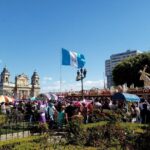
Next you reach Plaza de la Constitución, framed as the heart of the historic center. The tour calls out buildings that surround the plaza, including the National Palace of Culture, the National Library, and the Metropolitan Cathedral.
This is where Guatemala City starts to feel more “walkable” even if you’re still mostly stopping and looking. The square format works like a stage, and your guide helps you map where each building fits into the city story.
If you want to buy something after this, Central Market is next door in practical terms, and you’ll be in the right mindset to shop with purpose.
Central Market: textiles, crafts, spices, and a gift-shopping plan
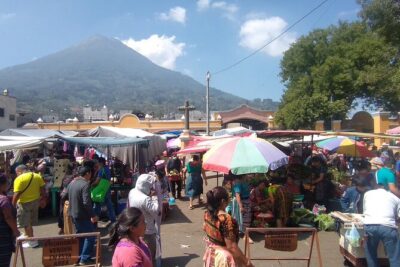
The tour’s Central Market stop is Mercado Central, described as located behind the Metropolitan Cathedral, in the basement of Tabernacle Plaza. It’s divided into product sectors, and the day notes you can find everything from spices to memories of jade made in Guatemala.
This is one of the best time-to-value stops on the Guatemala City side because you can browse at your own pace, and you’re not guessing where to go. You also get a chance to compare what you saw earlier in Antigua’s craft market area.
If you like souvenir shopping that feels local, arrive hungry for detail, not for speed.
Santa Catalina energy plus city churches: Yurrita and Santo Domingo
Two additional church-related stops round out the Guatemala City story.
First is Iglesia Yurrita, described as a private chapel with mixed Baroque style plus Romanesque and Byzantine elements. The guide explains it was built as a votive offering by Felipe Yurrita to the Virgin of Our Lady of Sorrows after Santa Maria volcano erupted and saved her life.
Then there’s Iglesia Santo Domingo, also called the Basilica of Nuestra Señora del Rosario. It’s described as neoclassical and seismic-style, and the devotion centers on Virgen del Rosario as queen of Guatemala City against earthquakes.
These stops are quick, but they’re not filler. They connect the city’s religious identity to the country’s reality of earthquakes, and they also add variety when the day is mostly civic buildings and boulevards.
Optional lunch at Restaurante El Adobe, plus tortilla making
Lunch is not included, and the tour notes it as an optional extra at Restaurante El Adobe in Zona 1. The plan says you can taste Guatemalan gastronomy and also see how tortillas are made.
This is a good moment to refuel because the day is long and you’ll still be sighting after lunch. If you have dietary needs, you should confirm directly with the provider before you go, since the tour data only says lunch is optional and not included in the base price.
Price and value for $65, a long day with real guiding time
At $65 per person for roughly 10 hours, the value depends on what you want to pack into one day. You’re paying for hotel pickup, transportation, and a professional guide, plus a route that combines Antigua walking time with major Guatemala City stops.
What makes it feel like decent value is that Antigua is the part where guided context matters most, and the day gives you that. The Guatemala City portion is shorter moments, but the Civic Center murals and plaza storytelling help the city side feel more than just a drive-by.
If you compare this to doing two separate full-day guides, the combo format can be a money saver, especially for trips where you can’t spare an extra day.
Where the tour shines most, and where it may not fit your style
This tour is ideal if:
- You want an intro day that covers both Antigua and the capital.
- You like guides who explain what you’re seeing, not just where it is.
- You care about art and architecture, especially murals and church details.
It may feel less ideal if:
- You want long stops in Guatemala City, not short exterior viewing and quick plaza time.
- You get frustrated with traffic-related timing swings.
- You prefer only one type of experience, like solely Antigua churches or solely museums. This is a mixed package by design.
One pattern from guide quality in real use: the best days seem to happen when you trust the guide to manage a mixed group. Names like Juan Pablo (JP), Adolfo, and Alfredo show up for a reason, and that usually means the pacing stays friendly and the explanations stay clear.
Should you book this Guatemala City and Antigua tour?
Yes, if this is your first time in Guatemala and you want a single day that helps you place everything in context. You’ll get Antigua’s walking highlights, the stories behind key churches and arches, and Guatemala City’s Civic Center art, plazas, and a smart market stop.
Skip it only if you’re picky about time-on-foot in Guatemala City or if you strongly dislike rushed photo stops. In that case, you’ll probably enjoy Antigua on its own more.
If you do book, do one simple thing: bring comfortable shoes and protect yourself from sun. The cobblestones and the outdoor plaza time make that matter more than people expect.
FAQ
What time does the tour start?
It starts at 8:00 am.
How long is the Antigua Guatemala and Guatemala City tour?
The duration is approximately 10 hours.
Where does hotel pickup and drop-off happen?
Hotel pickup and drop-off are included for select hotels in Guatemala City.
How many people are on the tour?
The tour has a maximum of 20 travelers.
What’s included in the $65 price?
Hotel pickup and drop-off at select hotels, a professional guide, and transportation are included.
Is lunch included?
Lunch is not included. Food and drinks are not included unless specified, and lunch at Restaurante El Adobe is described as optional for an extra price.
Do I need to pay for entry tickets?
The tour notes admission tickets are free for the listed stops.
What should I bring?
Wear comfortable walking shoes and bring sunscreen, a hat, and sunglasses.
What details are needed when booking?
You’ll need the passport name, number, expiry, and country for all participants.
What if the tour does not run due to weather or not enough people?
The tour requires a minimum of 2 adult passengers. If the minimum is not reached, the tour can be cancelled and you’ll be refunded or rescheduled. The experience also requires good weather, and if it’s cancelled due to poor weather you’ll be offered a different date or a full refund. You can cancel up to 24 hours in advance for a full refund.
Just reviewed around Guatemala City
- Graffiti Walking Tour in 4 Grados Norte Guatemala City★ 5.0 · 9 reviews
- Guatemala City Panoramic Tour + Visit to the Central Market★ 5.0 · 9 reviews
- Tikal and Yaxha Overnight Trip by Air from Guatemala City★ 5.0 · 10 reviews
- Full Day Trip in Chichicastenango★ 4.0 · 10 reviews
- 3-Day Tour of Cobán and Semuc Champey from Guatemala City★ 3.5 · 4 reviews
- 3 Days Tour in Acatenango Volcano★ 4.5 · 5 reviews
- Private Transportation from Guatemala City to La Antigua★ 4.5 · 10 reviews
- Hobbitenango and Antigua Tour: From Guatemala City★ 4.2 · 10 reviews
City Tours, compared.

Antigua Guatemala: City Highlights Guided Walking Tour
Read our review →
Antigua Classic Cultural Walking City Tour – the best
Read our review →
Tikal Day Trip by Air from Guatemala City with Lunch
Read our review →
Private Transport – From Guatemala City Airport/hotels to Antigua
Read our review →
PRIVATE SHUTTLE From Airport/Guate City to ANTIGUA or Vice-versa
Read our review →
Private Ground Transfer From Antigua To Guatemala City Airport
Read our review →
Shared shuttle – between Antigua and Guatemala City Airport
Read our review →Browse the lists this tour appears in