
Reviewed · ACATENANGO VOLCANO HIKES
Antigua, Guatemala: Volcano Acatenango Overnight Hiking
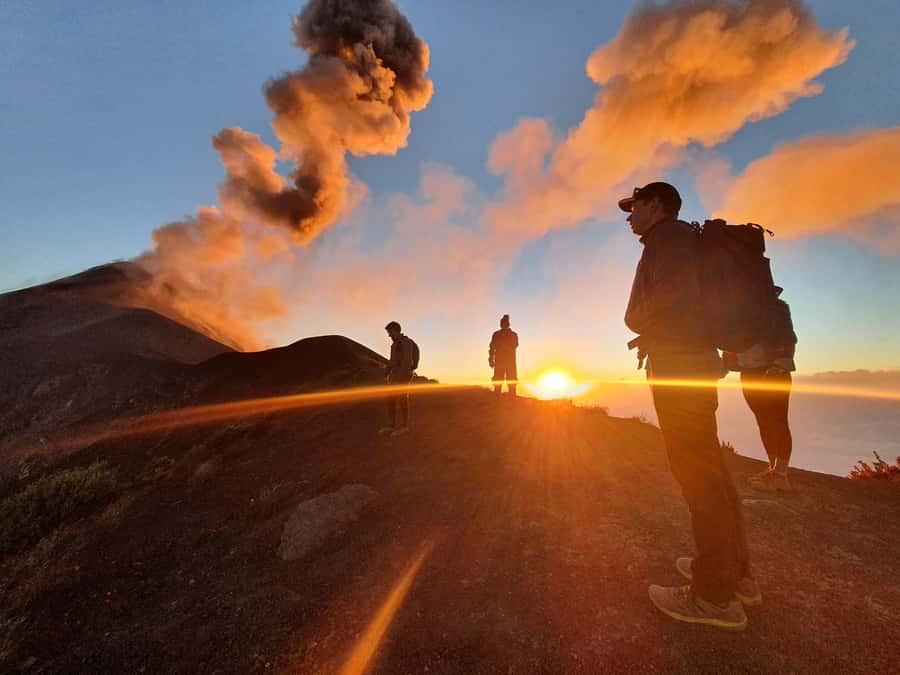
If you want a Guatemala volcano trip that feels real, not staged, this overnight Acatenango hike is a standout. I love the chance to watch Fuego from very close range and still wake up for an early sunrise viewpoint. One drawback to plan for is the cold, wind, and serious uphill effort at altitude.
What really makes the experience click is the human side, the way guides like Cristian and Francisco (and others such as Luis, Adam, Eduardo, and Jose) keep you moving as a group and fed well between hard stretches. You’ll sleep in A-frame cabins with a sleeping bag setup that helps you handle the 3,700 m altitude nights. The main consideration is that it is not a light “walk in the park,” it is a hike you earn.
Key things to know before you go
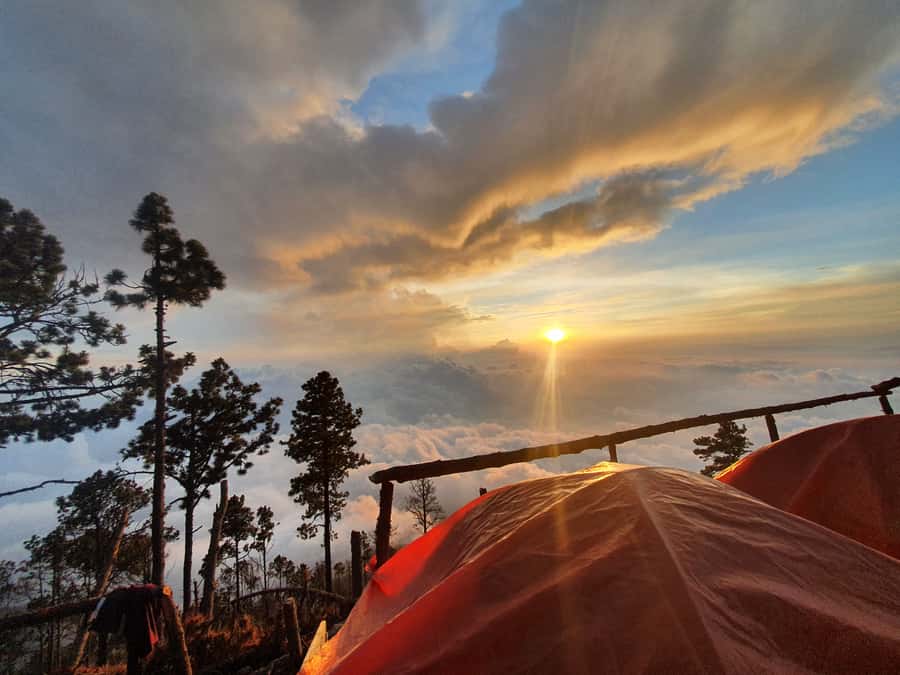
- Basecamp set high for volcano views: You sleep at about 3,700 meters, with direct sightlines toward Fuego.
- The climb is steep and front-loaded: Many people find the first part the hardest, especially on loose, dusty sections.
- Meals are properly thought out: Hot chocolate, lunch, dinner, and a hearty breakfast help you keep energy for the next push.
- You may pay extra for the Fuego extension: The lava-and-nearer-volcano experience often comes with an add-on cost.
- Plan for cold nights and early mornings: Flashlight, warm layers, and gloves are not optional.
- Toilets are basic: Bring toilet paper and wipes since you should expect no supplies and limited handwashing.
Why Acatenango overnight feels different than a day hike
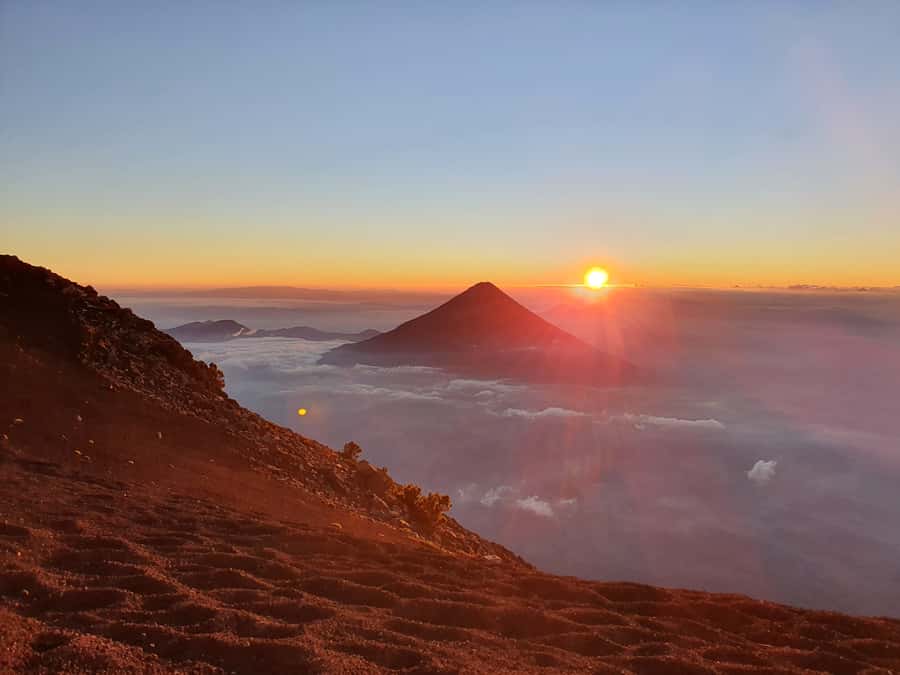
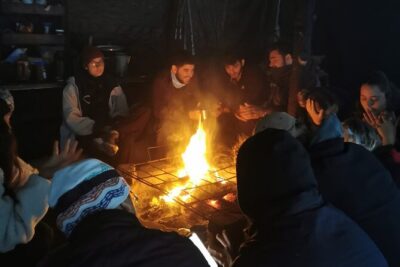
Day hikes into the Acatenango area can give you impressive views, but the overnight version changes the whole mood. When you sleep up there, you get time for night, firelight, and the slow build to morning, instead of rushing in and out. That extra time is what turns it into a volcano story you can feel.
I also like how the trip is built around the practical reality of volcano travel. You’ll get a guided trek up, camp near the action, and then head back down with daylight. The goal is not just a summit photo, it is a full volcano experience: dark skies, eruptions in the distance, then sunrise light washing over Guatemala’s valleys.
The vibe tends to be small group and team-based. I’ve seen this run with roughly a dozen people, which makes it easier to pace slower hikers without turning the whole hike into a drag race.
More Acatenango climbs:
- From Antigua: Adventure, 2-Day Hiking to Acatenango Volcano
★ 4.4 · 1,189 reviews - Acatenango Volcano Overnight Tour
★ 4.5 · 358 reviews - Overnight Volcano Acatenango Hiking Adventure
★ 4.5 · 315 reviews
Getting to the trailhead from Antigua, and why the meeting point matters
The meet-up is at Tanque La Unión, 6a Calle Oriente, Antigua Guatemala. Being there matters because the day starts early enough that you do not want to waste time figuring out last-minute directions. Round-trip transportation is included, so once you arrive at the meeting point, the logistics should feel straightforward.
Antigua itself is a good place to be before you hike. You get cafes, gear shops, and that calm before the climb. Still, the big lesson is that your hiking day begins when the pickup happens, so treat your morning like you are preparing for a trek, not a sightseeing stroll.
If you’re bringing rented gear, keep it organized in a way you can access gloves and a warm layer fast. Early starts plus cold wind mean you do not want to dig through your bag like a tourist later.
Day one ascent: lava river scenery and the steep start
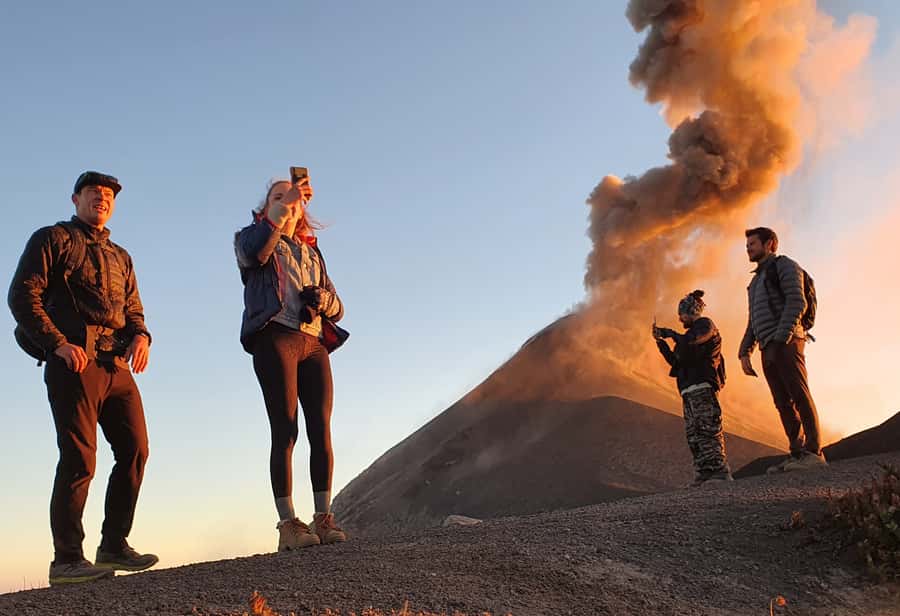
Day one begins with a transfer from Antigua to the trail area and then the climb up toward Acatenango Volcano. The first key thing you should expect is that the ascent is intense, especially early on. Many hikers describe it as a steep effort with loose, dusty ground at the start, followed by steady climbing that still demands your legs.
A big plus is that the route is not just “go up, look forward.” You’ll trek through otherworldly volcanic terrain, including the feel of walking beside lava river features. The payoff is the constant change in view: mountains, valleys, and shifting angles on the volcano slopes as you gain elevation.
You’ll stop for a delicious lunch during the climb. This matters more than you might think. At this altitude and workload, a planned meal beats “snacks whenever you remember” because your energy tends to vanish faster than your motivation.
How guides keep the hike manageable (and why it works)
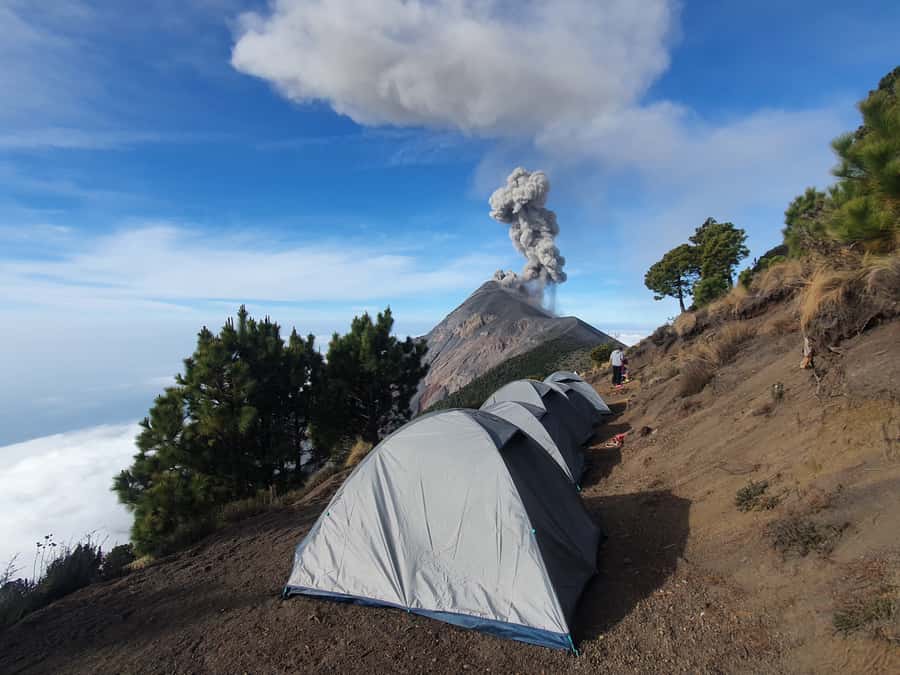
Good guiding here is not about giving speeches. It is about pacing and staying aware of the group. People repeatedly mention guides who check in, take regular breaks, and manage different speeds so nobody gets stranded.
You’ll also feel the benefit if you are a slower hiker. Some groups travel with a mix of strong walkers and people who need more recovery. The best guides keep everyone together with short rests and a rhythm that prevents you from blowing up your legs too early.
A practical tip: if you can, hire or bring hiking poles. They reduce stress on knees and ankles during both the climb and the descent. Even if you feel fine on the way up, the downhill portion can be where your body negotiates hard with gravity.
If you want a personal comfort move, pack snacks that are easy to eat while moving, and treat your water plan like part of the itinerary, not an afterthought.
A short list of other Antigua options
- From Antigua: Pacaya Volcano Trek
★ 4.4 · 798 reviews - Hike to Pacaya Volcano from Antigua
★ 4.5 · 502 reviews - Acatenango Overnight Hike Multiday Tour
★ 5.0 · 199 reviews - Overnight Adventure Hike Acatenango Volcano
★ 4.5 · 151 reviews
Basecamp at 3,700 meters: cabins, Fuego views, and night air
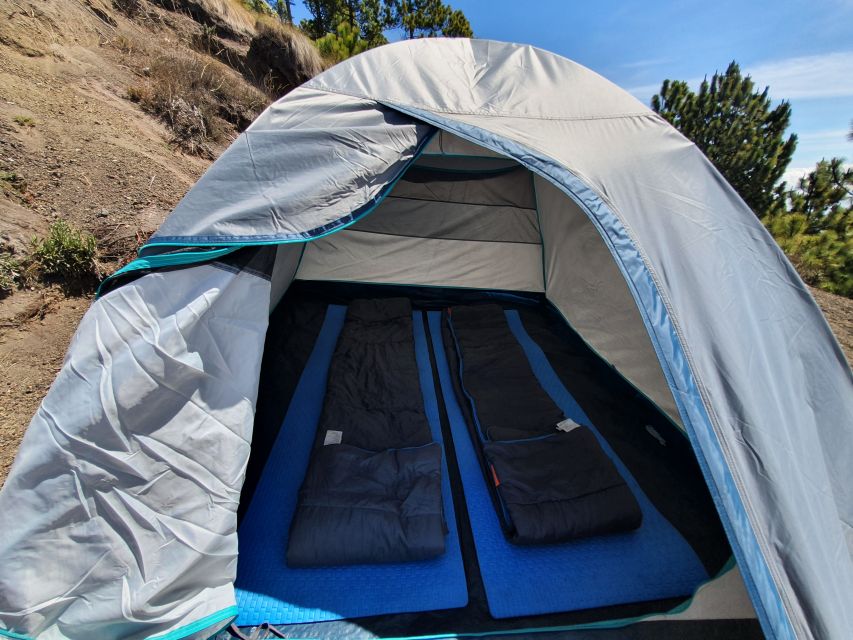
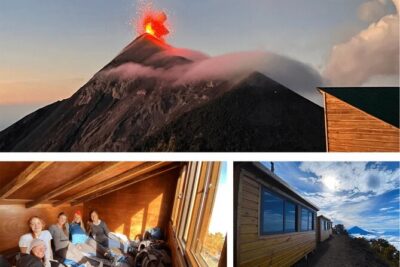
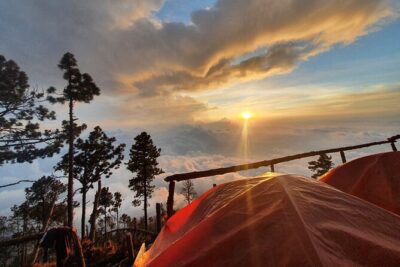
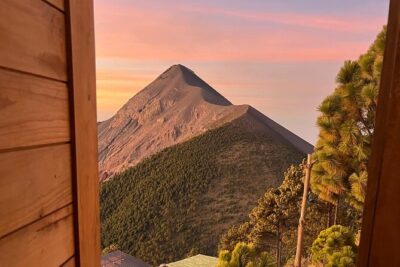
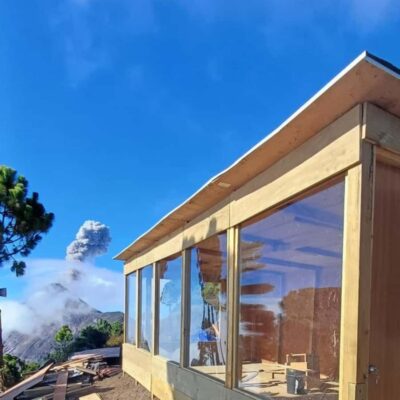
The overnight portion is where this trip stops being just a hike and becomes an experience. You set up camp at basecamp near the slopes with direct views toward Fuego Volcano. The cabin setup is about comfort where it counts: a frame-A style shelter, a sleeping pad or mattress, and a sleeping bag.
You’ll be around 3,700 meters above sea level, and that number is not small. Expect cold, wind, and a temperature drop the moment the sun slips behind the ridges. Even with a provided sleeping bag, you still want serious warm layers for before bed and while you settle in.
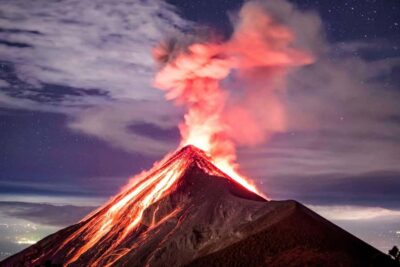
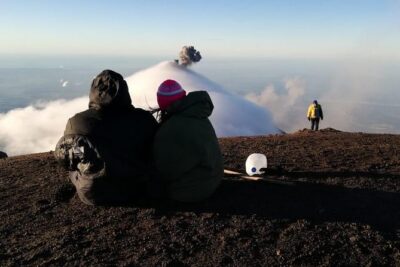
What’s special is how visible Fuego can be from the camp area. Some nights you see lava flowing and eruptions in a way that makes you stop talking for a minute. Even when conditions aren’t perfect, the sound and the glow still create that “active volcano” feeling.
Dinner by firelight: food quality is part of the value
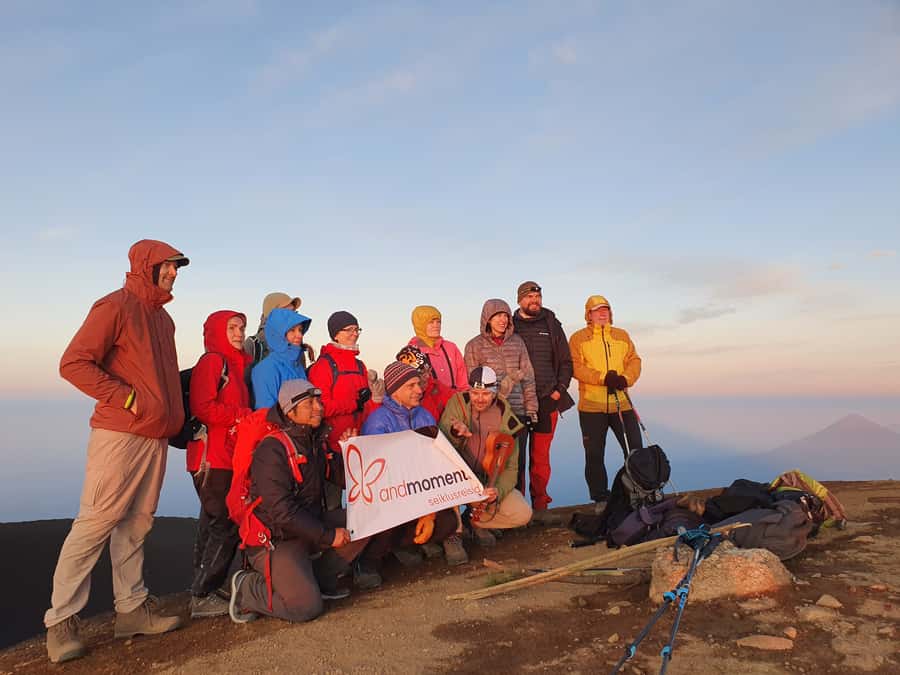
The included food is genuinely helpful on a multi-hour, high-altitude trek. Dinner is chop suey and rice, and you’ll have breakfast with oatmeal, pancakes, and banana. Lunch is grilled chicken, mashed potato, and green salad.
At 3,700 m, you do not want to gamble on energy. Carbs and hot meals help you sleep, and sleep is what makes the sunrise morning possible. You also get hot drinks (chocolate), which becomes a morale boost when the wind is doing its best to steal warmth from your hands.
One practical warning: toilets are basic. Plan for a hole-in-the-ground setup with no toilet paper and limited washing options. Bring your own toilet paper and small wipes, and keep them in a bag you can reach without unpacking your whole life.
Day two: sunrise timing, breakfast, and returning toward La Soledad
You wake early enough to catch the morning glow and enjoy breakfast at base camp. The beauty here is that you are not scrambling in darkness for a far-off summit goal. You already reached the high point yesterday, so the morning feels like a reward, not a second punishment.
After breakfast, you pack up and start the descent back toward La Soledad, then you board the bus back to Antigua. The downhill is where your body gets opinionated. Even if the first day was hard, your knees and ankles might be the first to argue on day two.
This is why poles matter, why good hiking shoes matter, and why you should avoid overstuffing your bag. Carry less, move smarter, and keep your focus on your footing.
Optional Fuego and sunset add-ons: when extra time is worth extra cost
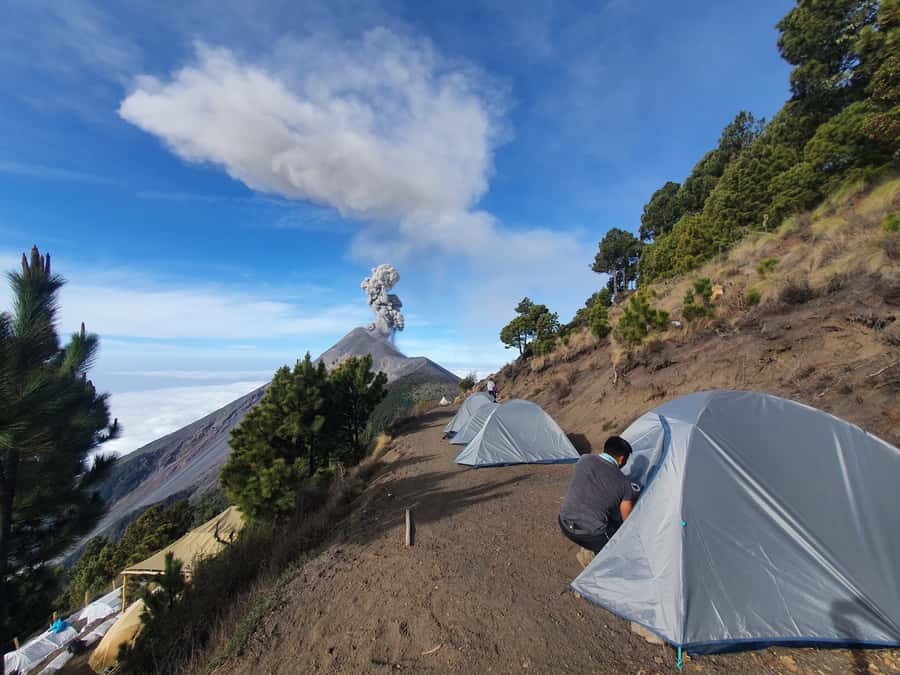
This trip can include choices that bring you closer to Fuego. Many hikers do an added hike toward Fuego for better views and more intense volcanic moments, but it is extra time and extra effort. In real terms, you should expect an additional fee for the extension, and people report it around Q200 to Q300 depending on what option day and your group choices.
There are also mentions of a sunset-style closer viewing hike, sometimes for a separate fee. If you still have energy after the first night, these add-ons can make the experience feel even more unforgettable.
Still, be honest with your body. Acatenango is demanding on its own. If you feel altitude symptoms, muscle fatigue, or just wiped out after Fuego, it’s totally reasonable to stay with the core plan and enjoy the eruptions from basecamp.
Price and value: what $90 covers and what can raise your total
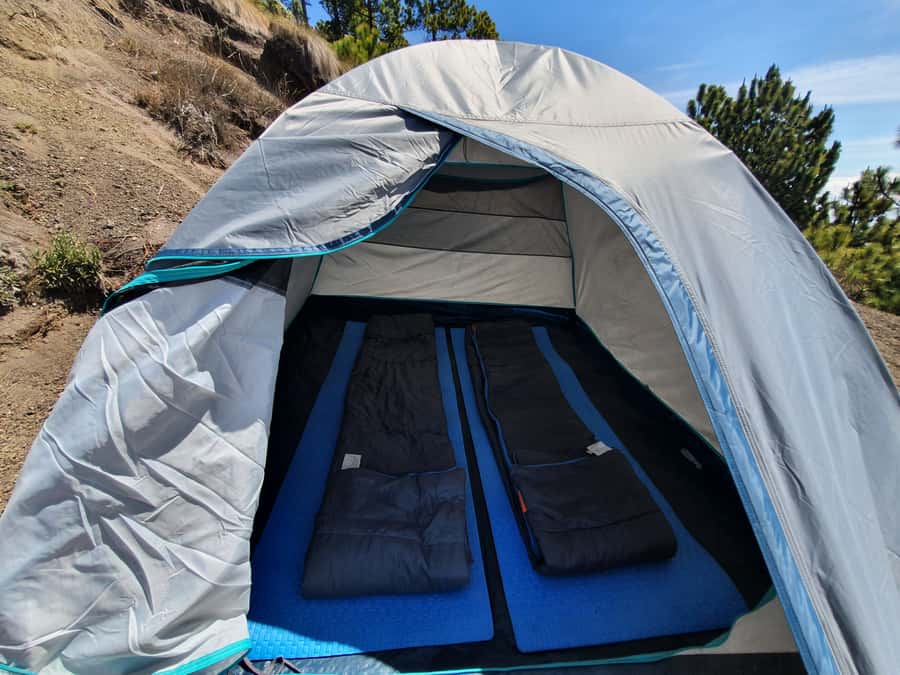
At $90 per person for 2 days, the value is strong when you look at what is included. You get a professional guide, round-trip transportation from Antigua, all meals (lunch, dinner, breakfast), hot chocolate, and sleeping gear like the sleeping bag plus cabin sleeping setup.
What is not included is what can shift your budget:
- Entry fee: Q100 per person
- Water: you must bring your own
- Gears: you need your own hiking shoes and warm layers, and rentals may cost extra
In practice, the “surprise cost” category is usually water plus gear rentals, and then any optional Fuego extension. Some hikers also recommend bringing enough cash because fees like the entry matter once you arrive.
If you already travel with good boots and cold-weather layers, you’ll likely land closer to the base price. If you need most gear at the start, plan extra for rentals.
What to bring: layers, shoes, flashlight, and water planning that saves your energy
Your packing list should be built around one truth: this is cold and windy at altitude. Bring warm clothing, hiking shoes, and weather-appropriate layers. Also plan for winter sports gear like a beanie and gloves. A flashlight or headlamp is a must for early morning timing and moving safely around camp.
Hikers also mention gear details that make a difference:
- Trekking poles help a lot, especially on the downhill
- Gloves and a hat matter because summit and camp winds can bite fast
- Some people prefer extra layers for sleeping, even with the sleeping bag provided
- If you get dusty conditions on the climb, a scarf or bandana can be useful
Water is not included, so plan carefully. Many hikers suggest at least 2.5 to 3 liters, and some go higher depending on how hot you run during the climb. Don’t wait until you feel thirsty. Start early, sip often, and keep your water accessible.
Cash matters too. Entry fees and any extra hikes are paid on-site, and you’ll also want it if you pick up snacks along the way.
Gear etiquette and rules you should notice early
This trek has clear boundaries. You cannot bring sandals or flip-flops, and pets are not allowed. Smoking indoors is off-limits, and alcohol and drugs are not permitted. Speakers also aren’t allowed, which keeps camp quiet and focused.
The practical takeaway is: follow the rules on footwear and comfort, and you’ll have a smoother experience. Volcano terrain punishes poor shoe choices, and the cold punishes thin clothing.
Who should do Acatenango overnight, and who should skip it
This hike is not for everyone. It is listed as not suitable for people with back problems, heart problems, or epilepsy, and it is also not recommended for people prone to seasickness. There is also a weight limit of 254 lbs (115 kg).
If you have concerns about altitude or exertion, be cautious. Some hikers report altitude issues even when they felt fine earlier in the climb. If you know you get symptoms at elevation, talk with a medical professional before you go and plan accordingly.
Who it suits best: fit travelers who are comfortable with steep hiking, cold nights, and early mornings. If you enjoy earned views, and you want to watch an active volcano without the comfort of a resort schedule, this is a great match.
Should you book the Acatenango overnight hike from Antigua?
I’d book it if you want the full volcano feeling: a guided climb, a real overnight at high elevation, and a basecamp location that keeps Fuego in view. The biggest draw for me is the way the trip feeds you, supports different paces, and turns a tough day into a complete story from sunset to sunrise.
Skip or rethink if you want an easy walk, hate cold nights, or have health conditions that make steep climbing risky. Also be prepared for basic camp amenities. This is not luxury camping, but it is practical, sheltered, and designed for cold altitude reality.
If you’re on the fence, here’s my simple decision tool: if you can handle a tough uphill day and you pack serious cold-weather layers, you’ll likely love it. If not, you may still enjoy Antigua, but you should choose a gentler volcano option.
FAQ
How long is the Acatenango overnight hike?
It runs for 2 days.
Where do I meet in Antigua?
Meet at Tanque La Unión, 6a Calle Oriente, Antigua Guatemala. (Map link is provided in your booking info.)
What is included in the $90 per person price?
You get a professional guide, round-trip transportation, hot drinks (chocolate), sleeping bag and cabin sleeping setup, and meals: lunch (grilled chicken with mashed potato and green salad), dinner (chop suey and rice), and breakfast (oatmeal, pancakes, and banana).
What extra costs should I budget for?
The entry fee is Q100 per person, and water is not included. Gears are not included in the base price. Optional Fuego-related add-ons may also cost extra.
Is water included?
No. You should bring your own water.
Can I rent gear, or do I need to bring everything?
Gears are not included, but you can rent equipment. If you want rental gear, you should arrange it in advance through WhatsApp so the provider knows what you need and can help you.
What kind of shelter do I sleep in?
You sleep in a Form-A (frame-A) cabin setup, with a sleeping bag and mattress components provided.
Is the Fuego hike part of the main plan or optional?
Fuego-related closer viewing is treated as an additional option for many people, and it typically adds time and extra cost. If you don’t have the energy, you can still watch Fuego from basecamp.
What languages and meal options are available?
The tour guide is available in Spanish and English. Vegetarian meals can be requested in advance via WhatsApp.
Who should not do this hike?
It is not suitable for people with back problems, heart problems, epilepsy, or people prone to seasickness. There is also a maximum weight limit of 254 lbs (115 kg).
Just reviewed around Antigua
- Walking Tour Antigua, an open Museum★ 5.0 · 4 reviews
- Volcan Pacaya on wheels ATV From Antigua or Guatemala city.★ 5.0 · 4 reviews
- The old UNESCO★ 5.0 · 3 reviews
- Village Tour in Antigua Guatemala★ 5.0 · 4 reviews
- Transportation from Antigua to Panajachel★ 4.5 · 4 reviews
- Tour of towns around Antigua Guatemala and Hobitenango★ 4.0 · 3 reviews
- Tour to the foothills of the volcano on ATV★ 5.0 · 3 reviews
- Private Transfers in Guatemala★ 3.5 · 3 reviews
Acatenango Volcano Hikes, compared.
Adventure, 2-Day Hiking to Acatenango Volcano
Read our review →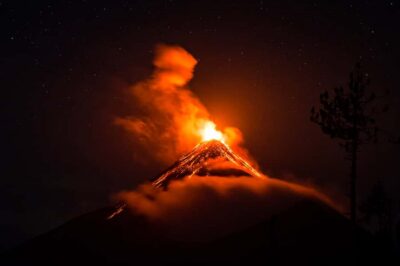
2-Day Acatenango Volcano Hike w/Local Guide & Meals
Read our review →Browse the lists this tour appears in