
Reviewed · PACAYA VOLCANO HIKES
Hike to Pacaya Volcano from Antigua
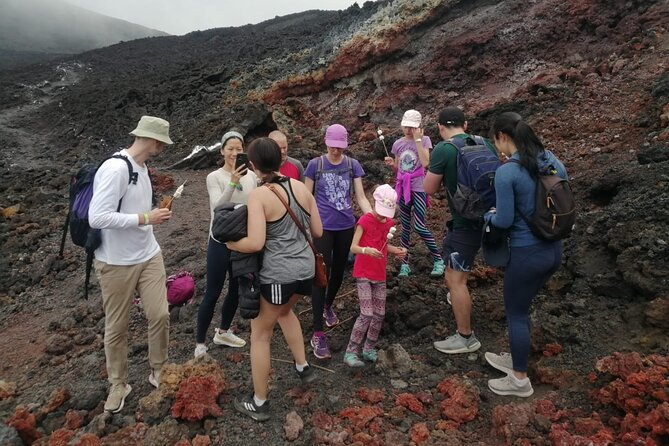
Pacaya is interesting because you get to hike next to an active volcano and still come away feeling like you really touched the science. You cannot reach the crater for safety, but you can walk through the lava field edges and feel heat vents warming the ground as you roast marshmallows.
I also like the structure of the day. You get hotel pickup from selected hotels in Antigua and a guided climb that keeps the group moving, with local guides such as Ervin, Irving, and Mono showing up in the stories people share.
One consideration before you go: English is not always smooth. The tour is set up for Spanish-English basic English, but some groups report hearing little or no English, so bring patience, and consider using a translation app.
Key points before you go
- Active volcano experience without reaching the crater, but you still get real heat-from-the-ground moments
- Pickup from Antigua plus shared round-trip transportation, typically about an hour each way to the park area
- Steep hike with an optional horse, useful if you want to manage the climb without quitting
- Marshmallows by steaming vents plus time on the plateau for views
- Plan for cold wind at the top, especially early departures and higher points
- Cash for the park entrance fee, plus extra cash for add-ons like horses or sticks
Why Pacaya feels different from a typical hike
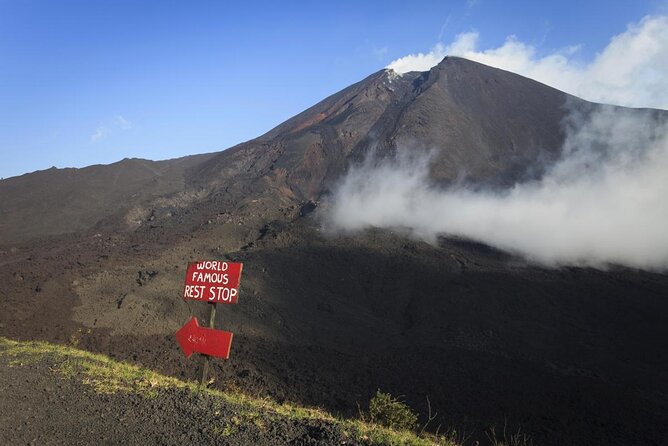
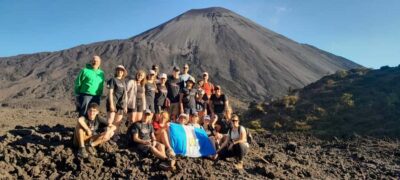
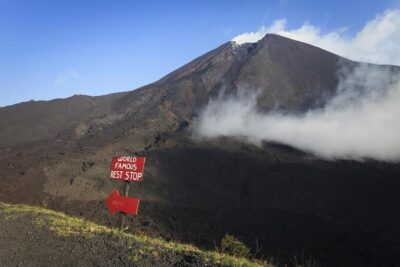
Pacaya is not just another scenic mountain trail. It is Guatemala’s most active volcano you can hike toward from Antigua, and the feeling is physical. You walk near dried lava terrain, you see steam coming from vents, and the warm ground beneath your boots is the part people remember most.
The tour keeps things safe by not allowing you to approach the crater. That might sound like a letdown at first, but it actually helps your day stay focused. You still get the eruption-adjacent atmosphere, the plateau views, and the chance to roast marshmallows over the heat vents that dot the lava field.
The best version of this tour is when your guide turns it into a story, not just a route. In the experiences people reported, guides like Ervin and Irving are patient with different paces and make sure nobody is left behind. That matters on Pacaya, because the climb has moments where you will want encouragement and a clear plan for stops.
More Pacaya hikes:
- From Antigua: Pacaya Volcano Tour in English/Spanish
★ 4.5 · 930 reviews - From Antigua: Pacaya Volcano Trek
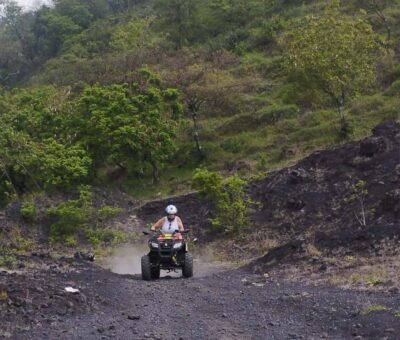
★ 4.4 · 798 reviews - Pacaya Volcano ATV Tour
★ 5.0 · 244 reviews
From Antigua to Pacaya National Park: early pickup and meeting point
Your day typically starts with pickup directly from your Antigua hotel, if you are staying in a selected pickup area. The ride to the Pacaya Volcano National Park area is about an hour.
You should plan to arrive with enough buffer to handle the small stuff. People often benefit from using the restroom and stretching at the park entrance before you move. It is a small step that pays off later, because once the climb starts, you will feel it.
The tour also uses a main meeting point at Café La Parada, 6a Avenida Norte No. 42, in front of Iglesia de la Merced. For certain timing and busy travel periods (like the 6am departure, weekends, and peak seasons), the tour may end back at that meeting point. Even when drop-off varies slightly, it stays within central Antigua.
If you booked the 2:00pm option, there is a traffic reality to know. Daily afternoon congestion in Antigua can force some people to meet at a central pickup point rather than at their hotel. You will be told in advance if that applies to your reservation.
The hike up: pacing, steep sections, and when a horse makes sense
Pacaya is described as moderate, but in practice it can feel steep. The uphill portion is where most people notice the intensity, especially if you are not used to climbing with a noticeable elevation gain and wind at higher points.
You get two ways to handle the climb:
- On foot with a professional local guide
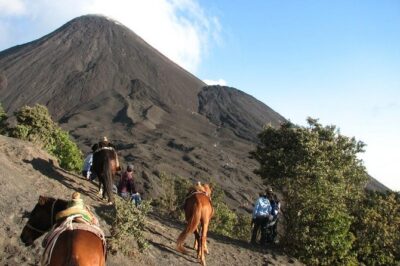
- On horseback (optional, extra charge)
Horses are usually partway up or as a tradeoff when the incline feels too hard. Many people who chose a horse said it was worth it for managing the steep stretch and keeping the day fun instead of exhausting. If you are on the fence, consider this rule of thumb: if you know you slow down on steep climbs, the horse can protect your experience.
Also, plan for the trail conditions. Some people reported getting dusty and dirty, and others mentioned wearing shoes that can handle stones and grit. Bring hiking boots with good traction and toe protection. Even if you use a horse for part of the route, you are still walking on the approach and during parts of the descent.
Walking sticks and foot care
A walking stick is optional and available from locals near the park area, with a small added cost. A few hikers recommended it strongly because it helps on uneven, rocky sections and reduces strain on your knees during the descent.
If you want extra comfort, think about thick socks or a way to keep dust out. One practical tip people gave was using tall socks to help prevent stones and dust from migrating into shoes.
A short list of other Antigua options
- From Antigua: Adventure, 2-Day Hiking to Acatenango Volcano
★ 4.4 · 1,189 reviews - Antigua, Guatemala: Volcano Acatenango Overnight Hiking
★ 4.6 · 645 reviews - Overnight Volcano Acatenango Hiking Adventure
★ 4.5 · 315 reviews - Acatenango Overnight Hike Multiday Tour
★ 5.0 · 199 reviews
The plateau and the lava field: what you do, and what you do not do
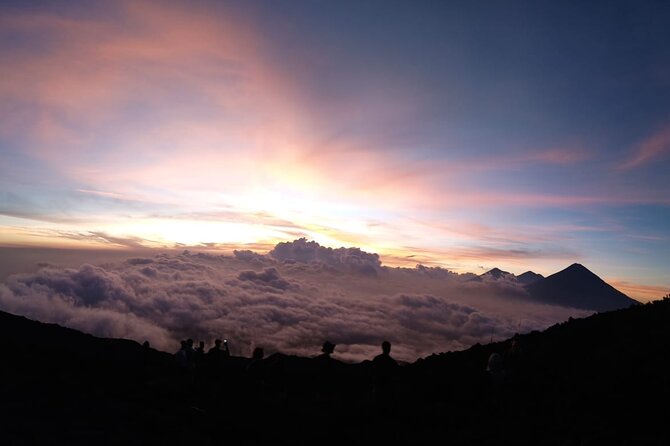
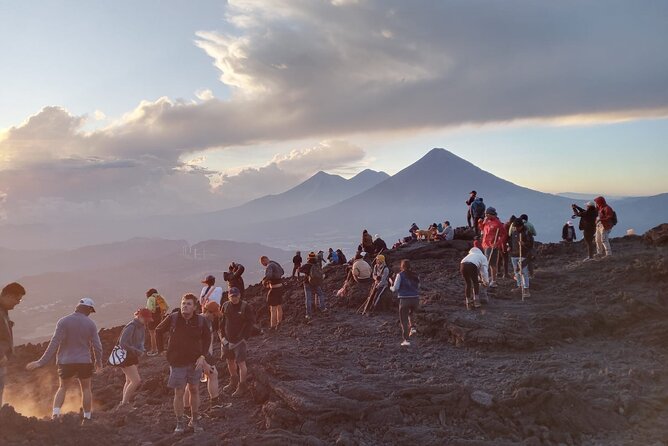
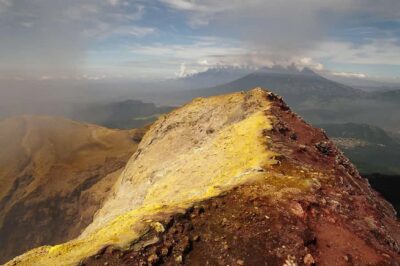
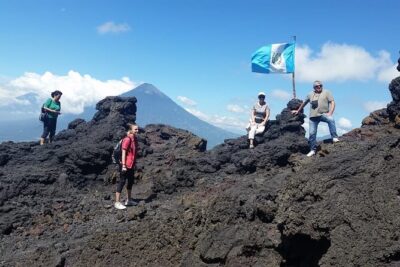
The big payoff comes once you reach the plateau above the volcanic crater area. You get time to explore the plateau and take in views across the surrounding volcanoes and the broader Guatemalan region.
For safety reasons, you cannot go close to the crater itself. But do not miss the real drama that is right around you. The lava field has steaming vents, and that is the gateway to the signature moment of the tour.
Marshmallows and heat vents
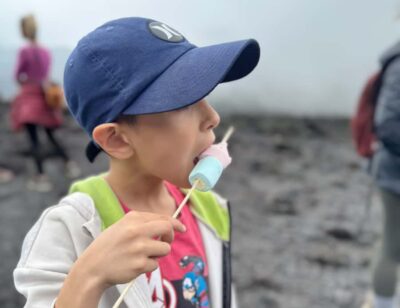
One of the most memorable parts is roasting marshmallows over the heat vents. This is one of those travel moments that feels simple, but it becomes a mental snapshot because the heat is not pretend. You are standing in a place where volcanic activity is part of the scene.
On select departures, if conditions allow, you might also cook pizza over hot volcanic rocks. It sounds silly until you are there and see the heat doing its job. If this matters to you, ask your guide day-of about availability, because it is not guaranteed.
The guide experience: Spanish-English, group size, and real-world expectations
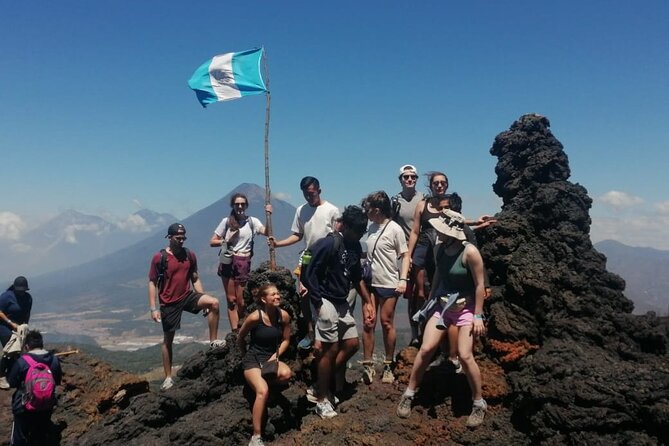
Your guide is local and leads you both for the hike up and the return. The tour includes a trail guide in both languages, Spanish and English, with basic English.
That said, language can vary by guide and conditions. Some people reported a guide who did not speak English much or at all. So if English is your main comfort, come prepared to rely on visuals, simple phrases, and a phone translation app.
Group size is capped at 24 travelers, and in many accounts the group feels manageable. On steep terrain, though, “manageable” depends on how quickly people move and how often the group stops.
A tip that helps: stay aware of your guide and keep close during checkpoints. One unhappy incident described a guide leaving the group after the last check-in and leaving people stranded briefly in darkness. That is not the norm you should expect, but it is a good reminder to treat the hike like a guided plan, not a free-for-all.
When your guide is firing on all cylinders, you get more than directions. Guides such as Ervin and Mono were praised for being patient, funny, and able to share science and local customs along the way.
Timing tips: morning fog, wind at the top, and flashlight needs
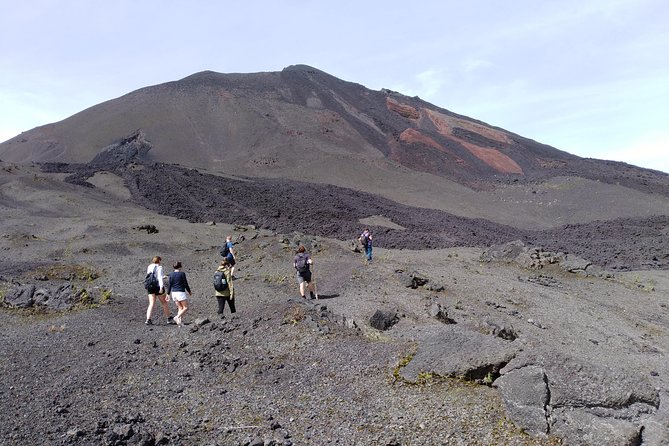
Pacaya can look different depending on when you go. Some people noted morning conditions may be foggier, which can limit how far you can see from the summit or plateau viewpoints. Others recommended the afternoon timing when visibility is better.
Wind is another real factor. People specifically mentioned cold conditions and strong wind at higher points. Dress for that change. Even if Antigua feels warm when you leave, the top can feel sharp and chilly.
If you are doing a later or sunset-style departure, plan for darkness on the return. Some hikers said they needed a flashlight for the last section and went as far as bringing one to be safe. If your departure time puts you back on the trail after sunset, pack a small flashlight or use your phone flashlight with spare battery.
Price and logistics: what $35 covers, and what costs extra
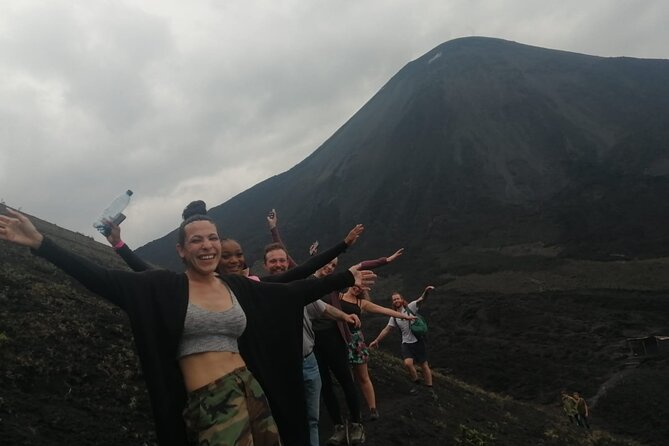
The tour price is $35 per person and it includes hotel pickup from selected hotels (round trip from Antigua) plus a shared transportation transfer and a trail guide.
That makes the base cost reasonable for a guided half-day adventure, especially given that you are leaving Antigua, crossing terrain, and paying for a local guide’s time. But the biggest money item is not the $35.
The national park entrance fee is mandatory
The park entrance fee is Q100 per person, payable in cash at the park entrance. That is about USD $14, based on the estimate provided. This fee is mandatory, so budget for it from the start.
Optional add-ons: horse, sticks, and food
You will likely be offered extras during the day. Here is what you should expect based on the details provided:
- Horse rental (optional): about Q300 per horse (roughly USD $40), payable directly to local providers
- Wooden walking stick (optional): Q10 (about $1.50), payable directly to local providers
- Pizza Pacaya experience: available through the guide at an extra cost, independent service not included
- Pizza over hot volcanic rocks: only on select departures when conditions allow, not a guaranteed part of every trip
Also factor in tips. Multiple hikers suggested having cash available for tipping your guide, and having extra cash for add-ons. If you are the kind of traveler who likes to be prepared, bring more than just the exact tour price plus the Q100 fee.
What to pack for Pacaya: boots, layers, sun, and rain gear
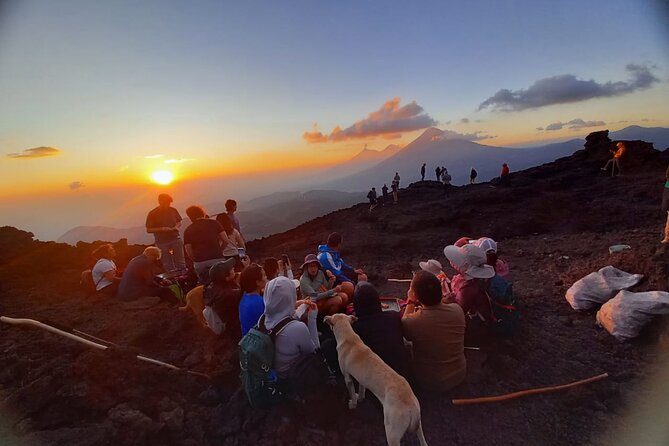
Pacaya is outdoors, and the tour runs rain or shine. Cancellation happens only if there is a dangerous storm or local authorities restrict access. So pack for wet and cold just in case.
Here is the practical kit that matches what people actually need:
- Hiking boots with traction and toe protection
- Comfortable pants and a light jacket for wind and cold at the top
- Sun protection: hat or cap, sunscreen, sunglasses
- Water (bringing at least a liter is a smart move; some people specifically noted a liter worked well)
- Optional walking stick if your knees are sensitive
- Rainy season gear (May to Oct): waterproof boots, raincoat or poncho, and a waterproof cover for your bag
- Dry season (Nov to Apr): breathable clothes, plus a jacket for colder air higher up
If you are sensitive to cold, consider gloves too. One account specifically recommended warm layers and gloves for the early climb.
And if you hate getting dusty: wear old clothes. People described the climb as dusty and messy enough that fresh outfits might not survive intact.
Dealing with horse sales and pressure on the trail
Horse rental is optional, and locals arrange it. The practical issue is how the offer is presented. Some hikers felt the horse sellers can be pushy, following closely even after a no.
You can reduce the stress by deciding early. If you know you want a horse for confidence, ask about options at the start and set expectations. If you do not want a horse, stay firm, keep moving, and do not let it slow your focus on the climb.
Remember, even if you start on foot, you can sometimes switch if the incline becomes too much. The key is to make the choice based on your comfort, not on pressure.
Who should book this Pacaya hike, and who should think twice
This hike is a good fit if you want a hands-on volcano experience near Antigua and you are okay with a steep, moderately strenuous climb. It also works well for a wide range of people because the horse option can help you manage the hardest uphill segments.
It is also a strong choice if you care about small-group guiding and want someone local to point out plants, terrain, and volcanic activity. Many people highlighted guides like Ervin and Irving as a big part of the enjoyment.
Consider thinking twice if:
- You need guaranteed fluent English. It may be basic, and some departures have less English than you expect.
- You are uncomfortable with cold wind and possible darkness if you book a later departure.
- You dislike steep terrain enough that you cannot pause or slow down. If you need to stop often, the horse might be the better plan.
Should you book the Pacaya hike from Antigua with Voyageur Tours?
If your goal is a guided, real volcano day trip from Antigua, I think this is a strong book. The base price is fair for the guide and transportation, and the heat vents with marshmallows are the kind of experience you will keep talking about long after you return to Antigua.
Book it if you can handle steep hiking and you plan your comfort. I would especially recommend it to people who:
- Want a structured experience with a local guide
- Can bring cash for the park fee and optional add-ons
- Pack layers and traction footwear
I would hesitate only if you hate uncertainty around language or you know steep climbs make you miserable. In that case, factor in the horse option early, and choose your departure time with visibility and daylight in mind.
FAQ
How long does the Pacaya Volcano hike take from Antigua?
It is about 6 hours total on average, including pickup, the transfer, the hike, and the return transport.
What is included in the $35 tour price?
The price includes a trail guide (Spanish-English basic English), hotel pickup for selected hotels, and shared round-trip transportation from Antigua.
Is the Pacaya National Park entrance fee included?
No. The entrance fee is Q100 per person and must be paid in cash in quetzales directly at the park entrance.
Can I ride a horse instead of hiking the whole way?
Yes, horse rental is optional. It is arranged with authorized local providers at the park and costs about Q300 per horse, paid directly.
What should I wear and bring?
Wear hiking boots with good traction and toe protection. Bring comfortable pants, a light jacket, sun protection, and water. Rain gear helps in May through October, and a flashlight is useful for later or sunset-style departures.
Does the tour run rain or shine?
Yes. It runs rain or shine, and it will only be canceled in the event of a dangerous storm or if local authorities restrict access.
What is the minimum age for the hike?
The minimum age is 4 years, and children must be accompanied by an adult.
What is the cancellation policy?
You can cancel for a full refund up to 24 hours before the experience starts. If you cancel less than 24 hours before, the amount paid is not refunded.
Just reviewed around Antigua
- Walking Tour Antigua, an open Museum★ 5.0 · 4 reviews
- Volcan Pacaya on wheels ATV From Antigua or Guatemala city.★ 5.0 · 4 reviews
- The old UNESCO★ 5.0 · 3 reviews
- Village Tour in Antigua Guatemala★ 5.0 · 4 reviews
- Transportation from Antigua to Panajachel★ 4.5 · 4 reviews
- Tour of towns around Antigua Guatemala and Hobitenango★ 4.0 · 3 reviews
- Tour to the foothills of the volcano on ATV★ 5.0 · 3 reviews
- Private Transfers in Guatemala★ 3.5 · 3 reviews
Pacaya Volcano Hikes, compared.
Marshmallows Roasting at Pacaya Volcano 6-hour Tour
Read our review →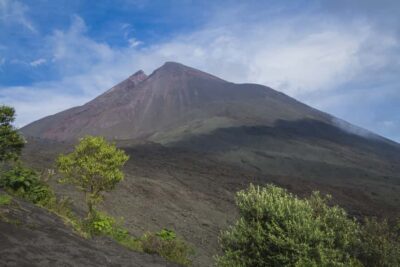
From Guatemala City or Antigua: Pacaya Volcano Day Tour
Read our review →Browse the lists this tour appears in