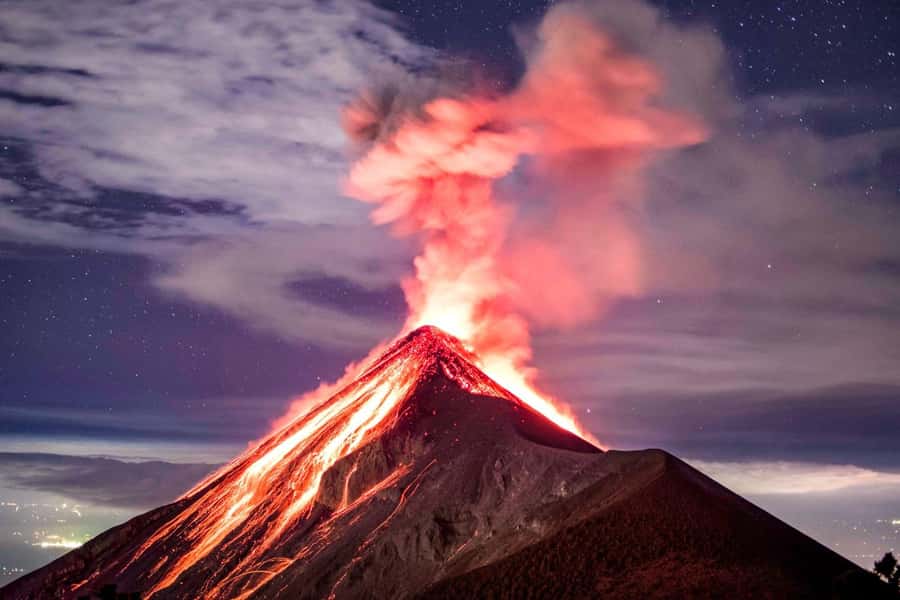
Guatemala, from lava to lake.
Whether the freezing night on Acatenango is worth it (it is), which lancha crosses Atitlán at the right hour, and how to stand under Tikal’s temples before the buses arrive. Every tour in Guatemala, reviewed.
Pacaya by afternoon, or Fuego all night?
All Acatenango hikes →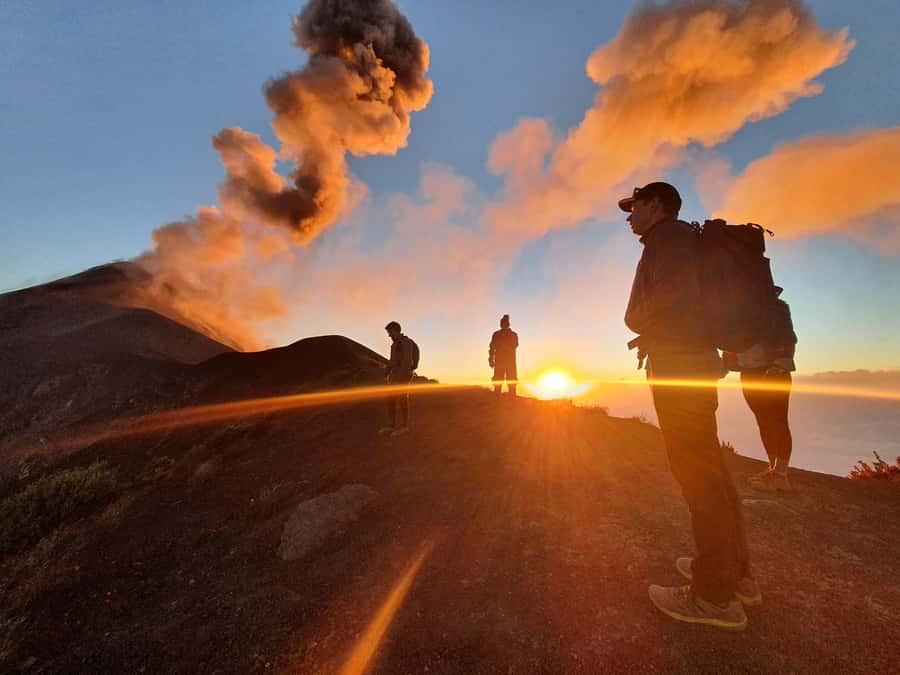
Every itinerary hits the same fork: the easy cone you can do after breakfast, or the overnight that puts an erupting volcano outside your tent. These three carry the most climbers — pick by legs, not by photos.
- 1Adventure, 2-Day Hiking to Acatenango Volcanofrom $54
- 2Pacaya Volcano Tour in English/Spanishfrom $23
- 3Pacaya Volcano Trekfrom $23
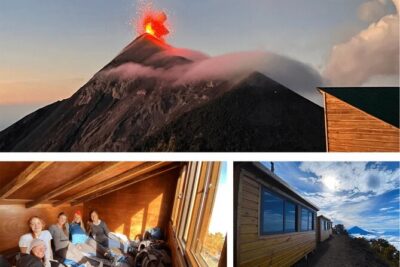
Acatenango: camp at 3,600m, watch Fuego
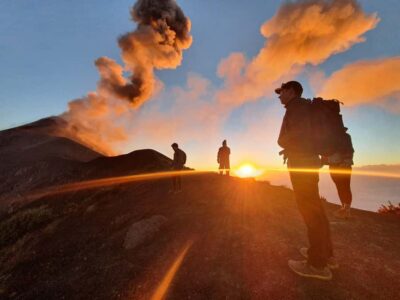
You climb through farmland into cloud forest, make camp above the treeline, and spend the night watching Volcán de Fuego throw lava into the dark a valley away.
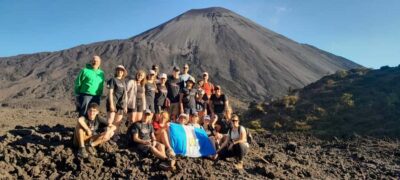
Pacaya: lava fields by lunch
A steady two-hour walk up an active cone to toast marshmallows over volcanic heat, with the 2021 lava field still black underfoot. Back in Antigua for dinner.
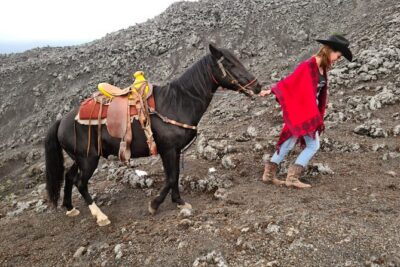
Pacaya at sunset, from the saddle
Let a horse do the climbing and ride Pacaya’s flanks at golden hour — some runs finish with dinner cooked over lava-heated rock. The volcano, minus the suffering.
What everyone actually books in Guatemala.
Every review →The tours more travellers take than anything else in the country — and what makes each one worth its early start.
1
Adventure, 2-Day Hiking to Acatenango Volcano
Tough 2-day Acatenango hike from Antigua. Sleep high in the cold, watch El Fuego, then chase sunrise and big cloud-top views.
From · $54
Read our review →2
Pacaya Volcano Tour in English/Spanish
from $23
 3
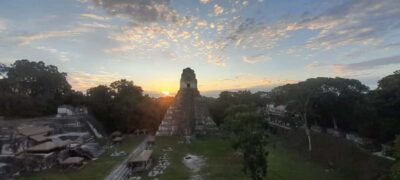
Tikal Guided Tour with Transportation
from $20
3
Tikal Guided Tour with Transportation
from $20
 4
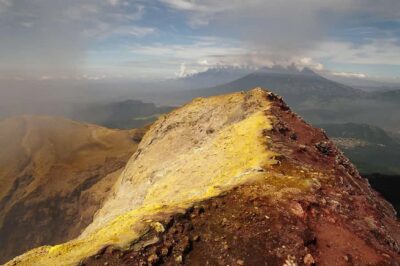
Pacaya Volcano Trek
from $23
4
Pacaya Volcano Trek
from $23
 5
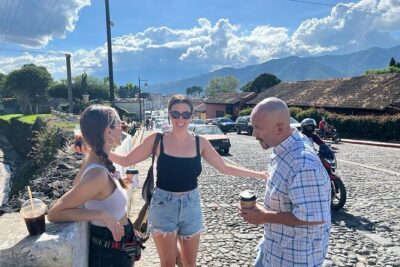
Antigua Cultural Walking Tour
from $35
5
Antigua Cultural Walking Tour
from $35
 6
Volcano Acatenango Overnight Hiking
from $90
6
Volcano Acatenango Overnight Hiking
from $90
 7
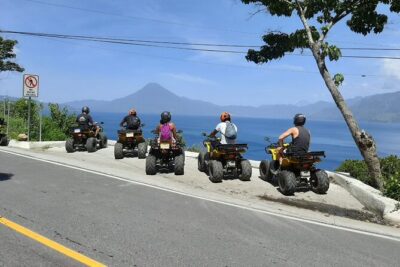
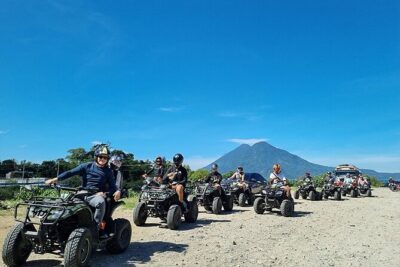
Lake Atitlan Villages Tour on ATV
from $57
7
Lake Atitlan Villages Tour on ATV
from $57
 8
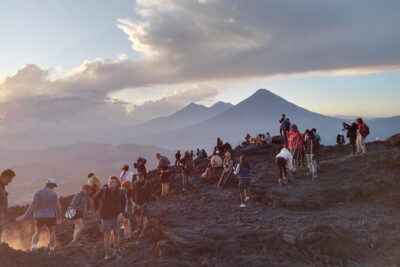
Hike to Pacaya Volcano from Antigua
from $35
8
Hike to Pacaya Volcano from Antigua
from $35
What you fly to Guatemala for.
Fuego at night, Tikal at dawn, Atitlán by boat, Chichicastenango on market day, Antigua on foot, coffee on the slopes that grew it. The days trips get planned around.
Antigua: every road out starts here.
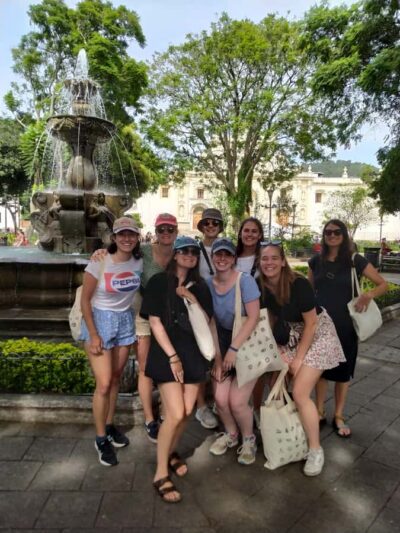
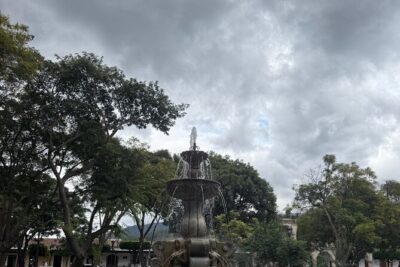
Three volcanoes stand over the rooftops, the 1773 earthquake left ruins on half the blocks, and nearly every tour in the country will pick you up on a cobbled corner here. Base yourself well and book the town itself too.

Atitlán is best crossed, not circled.
A caldera lake ringed by volcanoes and a dozen Maya villages, each with its own trade and its own dress. The lanchas are the point: Panajachel for the docks, San Juan for the weavers, Santiago for the market mornings.
All 54 Lake Atitlán tours →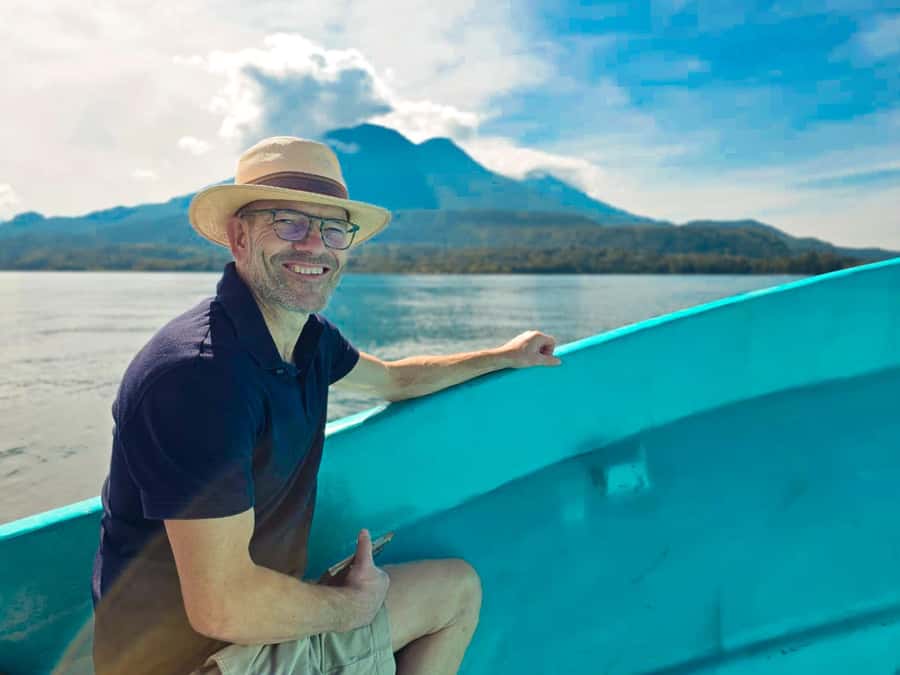
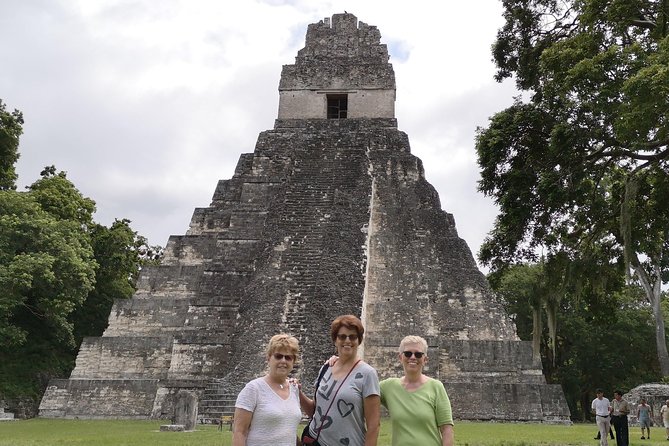
Tikal belongs to whoever gets there at sunrise.
From the island town of Flores it’s an hour to the park gate. Go at dawn and the howler monkeys are louder than the crowds; from Temple IV you watch the canopy turn gold. The day tours run later, cheaper and hotter — pick deliberately.
- 1Tikal Guided Tour with Transportationfrom $20
- 2Tikal VIP Exclusive Tour All inclusive from Flores Guatemalafrom $199
- 3Tikal SUNRISE, Archeological focus and Wildlife Spotting Tour (North and West)from $98
What a Guatemala day costs.
Every tour on the site, sorted by what it actually costs. The famous days here are cheaper than almost anywhere they’d be compared to.
Walking tours, market mornings, Pacaya from Antigua — most of Guatemala’s best days sit under this line.
- 1Pacaya Volcano Tour in English/Spanishfrom $23
- 2Tikal Guided Tour with Transportationfrom $20
- 3Pacaya Volcano Trekfrom $23
Acatenango overnights with gear and meals, Tikal from Flores with a guide, full lake days with lunch.
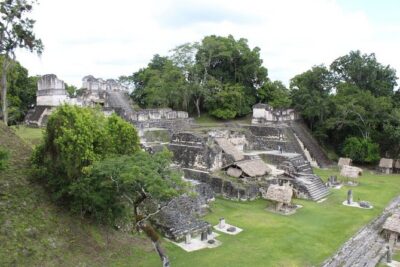
Private drivers, Tikal by air from the capital, and the all-inclusive sunrise runs that skip every queue.
Guatemala keeps these to itself.
Colonial towns and jungle ruins exist elsewhere in the Americas. A volcano that erupts on schedule, a twice-weekly market that swallows a town, and coffee cupped on the slope that grew it do not.
The Fuego Show
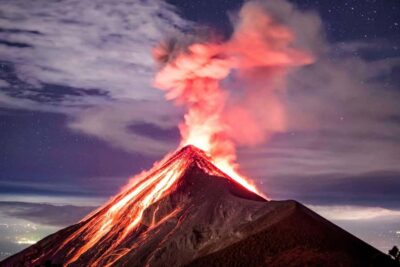
Volcán de Fuego is one of the most active volcanoes in the Americas, and it performs on a rhythm: a rumble, a plume, and at night an orange arc of lava down the cone. The viewing gallery is Acatenango’s basecamp at 3,600 metres, one steep day’s climb from Antigua. Pack every layer you own — the show runs all night and the temperature drops below freezing.
- 1Adventure, 2-Day Hiking to Acatenango Volcano★★★★★★★★★★ 4.4 · 1,189 reviews
- 2Volcano Acatenango Overnight Hiking★★★★★★★★★★ 4.6 · 645 reviews
- 32-Day Acatenango Volcano Hiking with Guide★★★★★★★★★★ 4.1 · 366 reviews
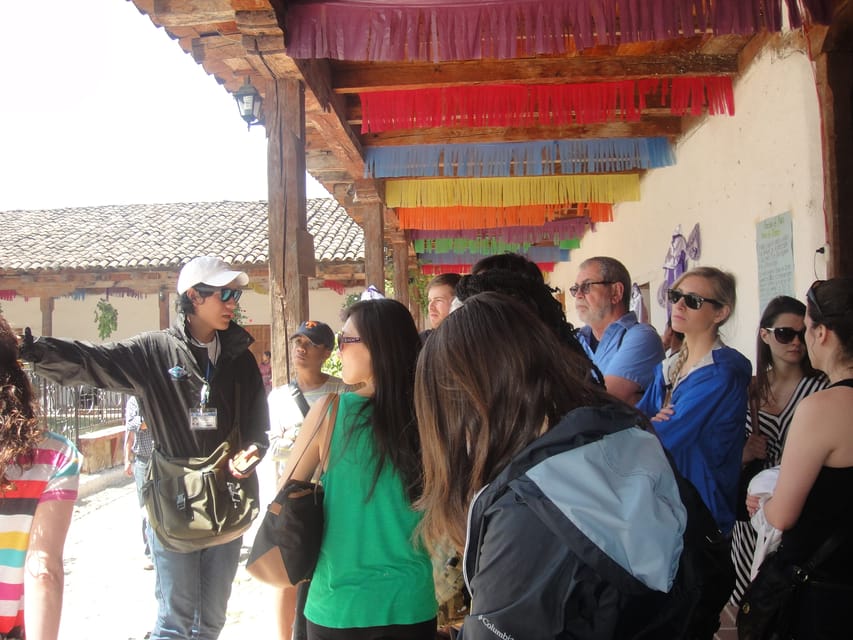
The Chichi Market
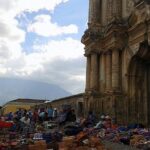
Twice a week the K’iche’ highland town of Chichicastenango disappears under Central America’s biggest market: textiles, masks, flowers and copal smoke on the steps of Santo Tomás, a church that has hosted Maya ritual since 1545. It only happens Thursday and Sunday — the whole week’s route bends around that fact.
- 1Chichicastenango and Lake Atitlan Tour From Antigua★★★★★★★★★★ 4.3 · 63 reviews
- 2Chichicastenango and Iximché Day Trip from Antigua★★★★★★★★★★ 4.5 · 48 reviews
- 3Chichicastenango and Lake Atitlan★★★★★★★★★★ 4.1 · 30 reviews
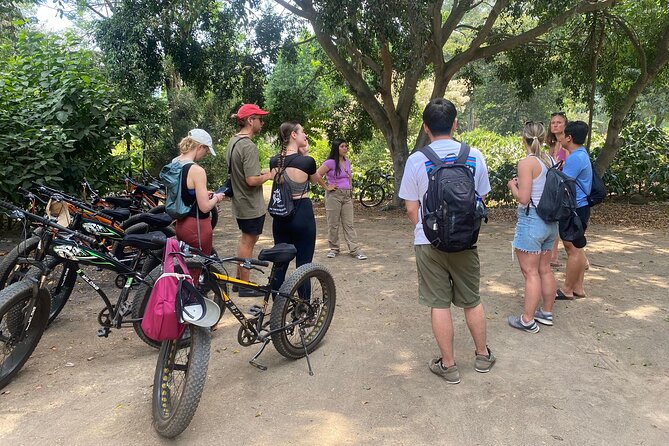
The Coffee Finca
Antigua’s valley grows shade coffee on volcanic slopes at 1,500 metres, and the fincas around town walk you from seedling to roaster to cupping table. You taste the same lot the exporters fight over, on the farm that grew it, often led by the family that owns it. Come caffeinated at your peril.
- 1Antigua ATV Coffee Tour★★★★★★★★★★ 5.0 · 380 reviews
- 2Coffee and Gastronomic Bike Tour in Antigua★★★★★★★★★★ 5.0 · 284 reviews
- 3Coffee Tour Adventure Antigua Guatemala★★★★★★★★★★ 5.0 · 121 reviews
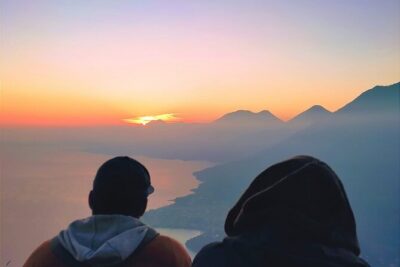
In Guatemala, the alarm goes off at 3am.
All hikes & treks →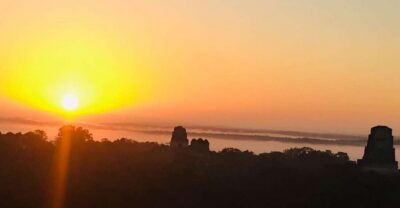
Book these before you land in Guatemala.
Most of Guatemala can be booked from a café the night before. These cannot — they run on gear lists, market calendars and park tickets that do not care when your flight gets in.
- 01Adventure, 2-Day Hiking to Acatenango VolcanoTents, sleeping bags and basecamp bunks are limited — the trusted outfitters fill first, especially November to April.
- 02Chichicastenango and Lake Atitlan Tour From AntiguaThe market runs Thursdays and Sundays only. Build the week around it or miss it entirely.
- 03Tikal SUNRISE, Archeological focus and Wildlife Spotting Tour (North and West)Sunrise entry is a separate pre-dawn ticket with a mandatory guide — deciding the night before rarely works.
- 04Semuc Champey Park and Kanba Cave Guided TourSemuc Champey sits eight hours of mountain road from Antigua — the shuttle-and-tour combos are the only sane way in.
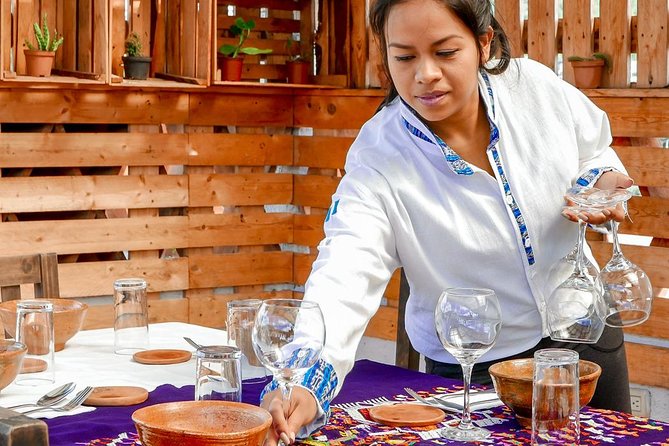
When the afternoon rain hits Antigua, be indoors already.
From May to October the rain keeps office hours: clear mornings, a downpour around two, calm evenings. The fix is sequencing, not cancelling — volcanoes and lake crossings before lunch, then a cooking class, a coffee cupping or a workshop under a colonial roof while the street floods.
By region — where the trip goes
 Antigua249 tours
 Lake Atitlán54 tours
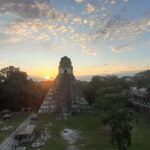 Flores & Tikal77 tours
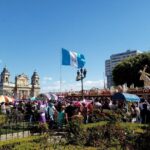 Guatemala City113 tours
 Puerto Quetzal · cruise days13 tours
- Every tour in Guatemala →
Two weeks, done in a loop.
 Chichicastenango
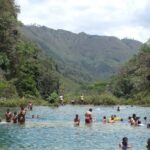 Semuc Champey
The newest Guatemala reviews.
All recent →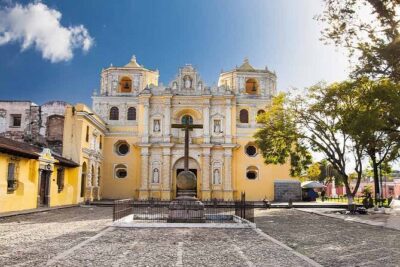
Antigua Guided Tour with lunch from Quetzal Port.
Read our review →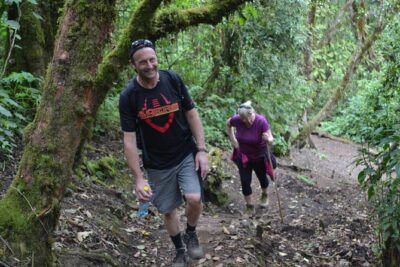
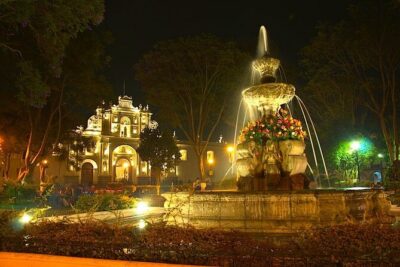
Antigua Private tour. Inclusive and Family. Quetzal Port.
Read our review →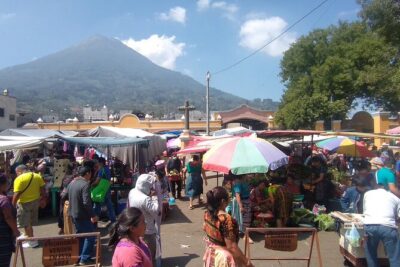

Shared Transport from Panajachel, Lake Atitlan to Guatemala City
Read our review →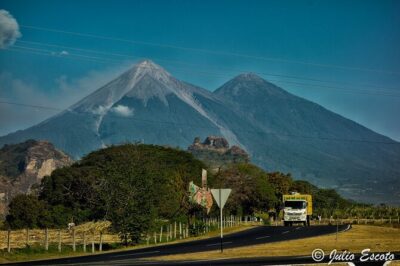
Short day to San Cayetano Farm from Quetzal Port.
Read our review →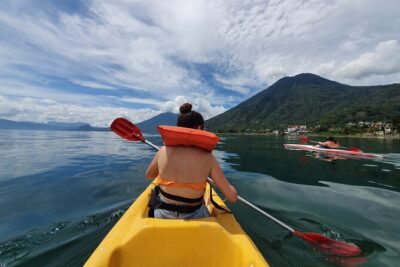

Discover Antigua Tour from Puerto Quetzal with Lunch
Read our review →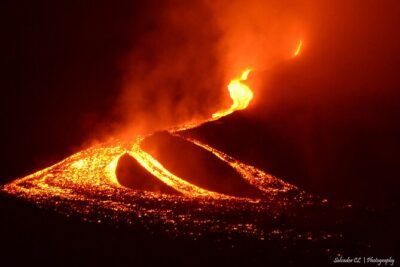
Private Tour One Day Hike – Pacaya Volcano from Puerto Quetzal
Read our review →
Tour a NGO non profit Vocational Training Center Amigos de Santa Cruz and explore the Mayan village
Read our review →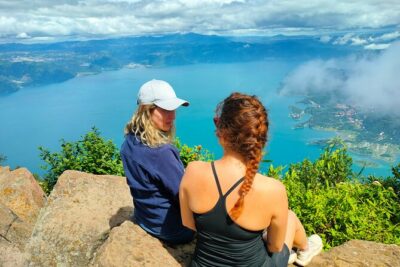
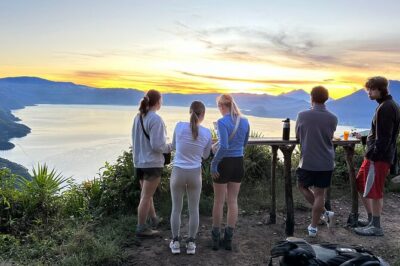
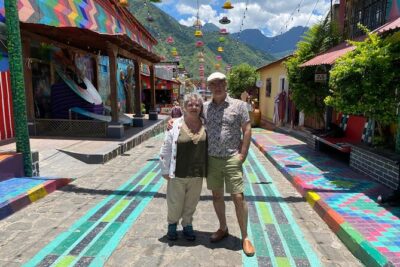
Authentic tour of Mayan art and culture in Lake Atitlan
Read our review →