Lake Atitlan Cultural Tour Exploring Mayan Villages

Reviewed · MAYAN CULTURE TOURS IN LAKE ATITLAN

Lake Atitlan Cultural Tour Exploring Mayan Villages

5.0 · 34 reviews 6 to 7 hours (approx.) From $65 Operated by Tours With Vick · Bookable on Viator
Book on Viator →

What makes this Lake Atitlan Cultural Tour special is how it connects everyday village life with Tz’utujil Maya identity, in one smooth day. I especially love the stops for meliponas honey and the handmade chocolate demo, because you get more than a souvenir, you get a story. One heads-up, the day includes a fair bit of shopping time, so it’s best if you’re okay with browsing while still learning.

I also like that you get multiple angles on culture: street murals, women’s weaving, and churches where Catholic and Maya beliefs overlap. With guides like Victor, Luis, and Lupe, the day feels organized and easy to follow, even when you’re moving between towns.

A possible drawback is that shopping can take more space than some people expect, especially around San Juan la Laguna. And since lunch is not included, you’ll want to budget extra and plan your meal timing around the tastings and walks.

Key things I’d plan around

Lake Atitlan Cultural Tour Exploring Mayan Villages - Key things I’d plan around

  • Meliponas honey tasting in a sacred Maya tradition, plus honey derivatives you can sample
  • Chocolate, bean to bar style, with a hands-on feel for how cocoa becomes chocolate
  • Women’s weaving on a waist loom, with explanations for symbols and color choices in textiles
  • Churches with syncretism, where colonial architecture meets living local belief
  • A practical mix of walking and transport, including tuk-tuk rides and a boat crossing to Santiago
  • Time to buy from local cooperatives, but it’s optional if you’d rather focus on photos and learning

Why these Lake Atitlan villages make sense in one day

Lake Atitlan Cultural Tour Exploring Mayan Villages - Why these Lake Atitlan villages make sense in one day
Lake Atitlan is famous for views, but this tour is about something more grounded. You’re moving through towns that sit around the lake and carry Tz’utujil Maya culture forward through daily work, crafts, and spiritual life. The churches you visit are a big clue to how that culture changed over time, with Catholic traditions blending with older Maya beliefs instead of replacing them cleanly.

San Juan la Laguna and Santiago Atitlan give you the strongest “identity and ritual” focus. San Pedro adds a different kind of context: how the same place can feel quiet in daylight and social at night, with markets and Spanish learning academies nearby. If you’re short on time, this combination is a smart way to get a rounded sense of the region without bouncing around for multiple days.

Price and timing: what $65 really buys you

Lake Atitlan Cultural Tour Exploring Mayan Villages - Price and timing: what $65 really buys you
At $65 per person for about 6 to 7 hours, this tour is priced like a value day trip rather than a pricey museum-style experience. What makes it feel worthwhile is the mix of included transport and multiple structured stops across several towns. You’re not just getting a bus ride and a quick photo stop, you’re getting guided walking, demos, tastings, and church visits.

A key detail for planning is the group size, up to 15 travelers. That’s small enough to stay human scale, with time for questions, but large enough that you won’t feel like you’re waiting around forever. Also, you’re usually booking well ahead of time, with an average booking window of about 34 days. If your dates are firm, early booking is the safer move.

Stop 1: San Juan la Laguna, murals plus meliponas honey, chocolate, and weaving

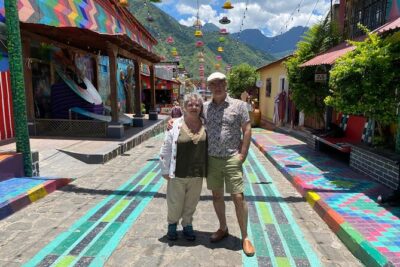
San Juan la Laguna is where the tour leans hardest into art and craft as a way of teaching culture. You start with a guided walk through town streets lined with murals. These aren’t random decorations. The guide explains how the murals connect to history, worldview, and community identity, so when you see a painted scene, you’ll have context for what it’s trying to say.

Then the day turns sensory. You’ll visit the Native Bees area focused on meliponas. In practical terms, this is a break from walking, and it’s also one of the most memorable cultural stops because it blends reverence with everyday production. You get to sample organic honey and derivatives, which helps you understand why beekeeping is more than a hobby here.

Next comes handmade chocolate, with a demonstration of the traditional cocoa process from bean to bar. Even if you’ve done chocolate tours elsewhere, the value here is the connection to local craft traditions, plus tastings that let you compare the end result. You’re not just watching, you’re tasting, and that makes it easier to remember.

Finally, the weaving element gives you a hands-on view of how meaning travels through textiles. You’ll see a women’s collective demonstration of weaving on a waist loom, with explanations of symbolism and colors in the textiles. If you like buying something that has a reason behind it, this is where you’ll feel the difference.

A practical note: there’s optional shopping, and the day includes time for photos. If you bring a lightweight bag and keep your shopping simple, you’ll stay in control of your pace.

Stop 2: San Juan la Laguna’s Catholic church and the art inside

The church visit in San Juan la Laguna is short, but it adds an important layer. The Catholic church is described as founded in 1633 and rebuilt in 2016. That blend of age and renewal matters because it frames religion here as living, not frozen in the past.

Inside, you’ll notice how colonial architecture and modern elements coexist. The tour points out the fusion between Catholicism and Tz’utujil Maya beliefs, including how traditional altars and details reflect that syncretism. There’s also mention of contemporary art inside, so it’s not only about old stones. You’re meant to see the church as part of current community life.

In terms of time, you’re in and out quickly, around 20 minutes. This is a “get the point, then move on” stop, which works well in a day that includes multiple towns.

A short list of other Lake Atitlan options

Stop 3: San Pedro La Laguna’s market life, Spanish academies, and lake-town rhythm

San Pedro La Laguna is where the tour shifts from craft and ritual into day-to-day community energy. You’ll walk through the central park, described as the community heart, plus cobbled alleys where Tz’utujil traditions and contemporary life share the same space.

This is also a town with a clear international pull because it’s considered one of Guatemala’s best places to learn Spanish. The presence of Spanish academies shapes the atmosphere. You’ll see it in everyday conversation around markets and small shops.

A helpful way to understand San Pedro is to think about contrast. By day, it’s presented as peaceful and practical, anchored by markets and local business. By night, it becomes more social, with bars and events that attract people from around the world. Even if nightlife isn’t your thing, that contrast explains why the town feels both local and visitor-friendly at the same time.

From a “what to watch for” perspective, markets are where you’ll see real habits: what people buy, what’s priced and displayed, and how goods connect to daily routines. If you want souvenirs that still look like everyday life, San Pedro is a good place to browse.

Stop 4: Santiago Atitlan, Maximon, markets, and living spiritual practices

Santiago Atitlan is the village that leans most into history and spirituality. It’s described as the last bastion of the former Tz’utujil kingdom that resisted the Spanish conquest. That matters because it sets the stage for why local traditions have such strong continuity here.

The tour highlights a colonial church with an architectural fusion: Catholicism mixed with Maya rituals. A standout spiritual reference is Maximon, a sacred figure that reflects religious syncretism. If your brain likes to connect dots, this is the place to pay attention. The guide’s explanations help you understand syncretism as an ongoing practice, not a one-time historical event.

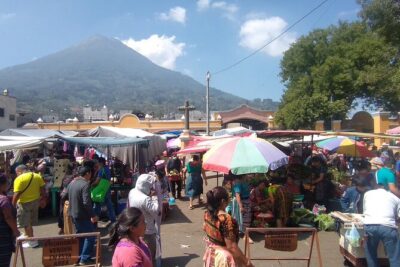
You’ll also spend time moving through markets full of life, where street squares and stalls reveal traditional costumes and crafts tied to cultural identity. This is where the “culture” word becomes concrete. You’re not only seeing textiles and items, you’re seeing who wears what and how goods fit into community routines.

A big part of Santiago is the living side of tradition. The tour mentions shamans, Mayan ceremonies, and the spiritual connection locals maintain with the lake and volcanoes. Even without getting lost in heavy details, that framing helps you see why the natural setting is part of belief, not just scenery.

Time-wise, this stop is around 1 hour 40 minutes, which is enough for both walking and questions.

Stop 5: Santiago Apostol church and monastery from 1547

The final church stop is a longer spiritual complex visit, centered on the church and monastery of Santiago Apostol. The church is said to be built in 1547, which makes it one of the key historical anchors in the region.

Here, the focus is on architecture that mixes Spanish techniques with Mayan symbolism, including distinctive details on the facade and altarpieces. That’s a theme you saw earlier, but this time it’s more direct and tied to a specific sacred site.

You’ll also see the old monastery rooms where missionary friars lived, and a courtyard where Bible lessons were taught to indigenous people. This matters because it shows the colonial story as a cultural encounter, not only as conquest. The garden area adds a quieter moment, described as a meditation space overlooking the San Pedro volcano.

The stop is listed around 20 minutes. That short window is exactly why it helps to listen. You don’t need hours to notice the main patterns if the guide gives you the right points to look for.

Transport around the lake: tuk-tuks, boats, and keeping your energy up

Lake Atitlan Cultural Tour Exploring Mayan Villages - Transport around the lake: tuk-tuks, boats, and keeping your energy up
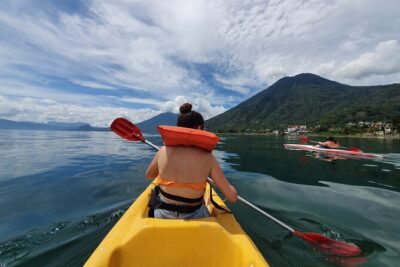
Lake Atitlan travel has a rhythm. Some routes involve rides through town by tuk-tuk, and you also cross by boat to reach Santiago. In practice, that means you get breaks from walking, plus scenic movement between towns.

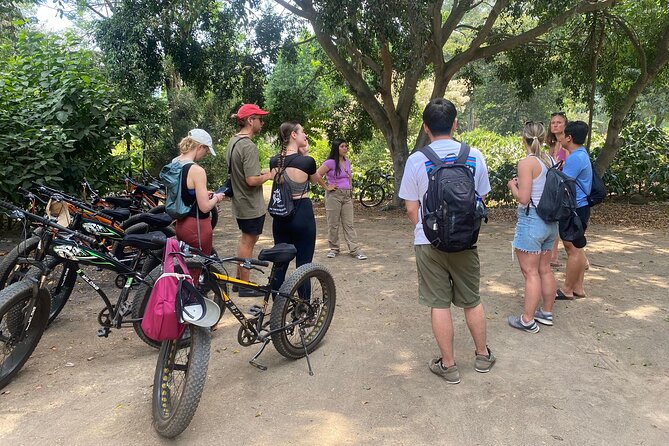
This matters for comfort because the whole day includes several walking segments, plus a mix of indoor and outdoor stops. With a small group, transport feels smoother, and it’s easier to adjust if you need a slower pace.

My advice: wear shoes you trust. Even if cobblestones look manageable on flat ground, you’re adding stops across multiple towns, and your feet will feel it.

What you’ll learn, and how to turn it into real understanding

A day like this can easily become a checklist. The trick is to use each stop to build one clear theme: how culture, belief, and craft live together.

Here’s a practical way to focus your attention:

  • When you see the murals in San Juan, listen for what they’re saying about identity, not just what they show.
  • At the meliponas stop, ask how the honey links to Maya meaning, then remember it when you later see craft and ritual.
  • During weaving, pay attention to symbolism and color explanations. If you understand what a textile is communicating, it stops feeling like decoration.
  • In the churches, look for the specific way syncretism shows up in altars and details, so you don’t treat it as a random mix.

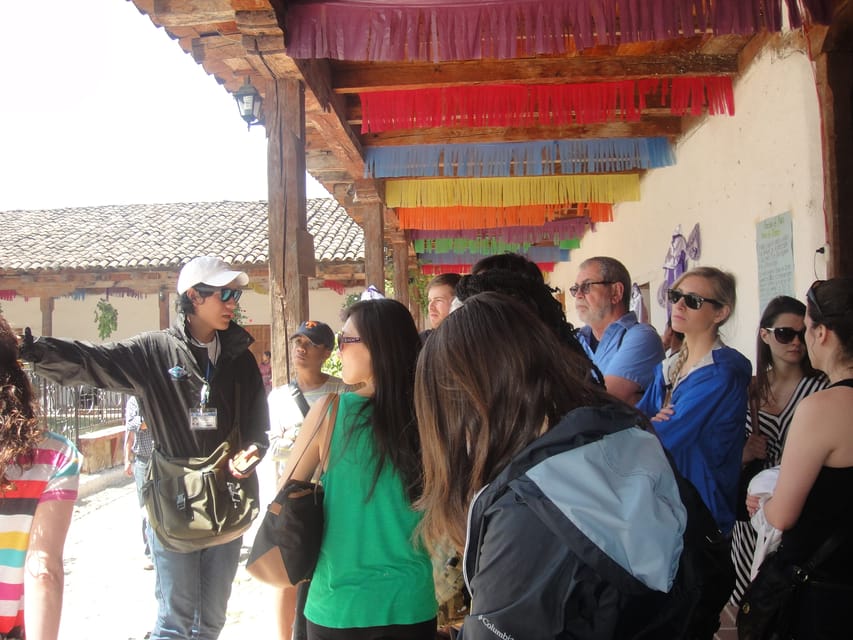
One of the best parts of a well-run guide day is pacing. People who sign up for this tour with first-time Lake Atitlan expectations often love how the explanations tie the towns together. Guides like Victor, Luis, and Lupe come through clearly in how they handle questions and keep the tone friendly.

If you’re the type who likes asking why things work, you’ll get more out of it fast.

Shopping time: how to keep it optional and useful

Shopping isn’t hidden on this tour. There’s time to browse, and some stops naturally lead to buying, especially around cooperatives and craft demonstrations.

The upside is that buying can support the women’s weaving cooperative and local entrepreneurs. The weaving stop feels especially meaningful if you buy something that comes with a clear explanation of symbolism and color choices.

The potential downside is balance. If you were expecting a more history-only day, you might feel that San Juan la Laguna has more storefront time than you wanted. My practical recommendation is simple: decide your budget at the start. Then treat purchases as planned, not impulsive. That way, shopping becomes part of the cultural experience rather than the main event.

Lunch is on you, so plan around the tastings

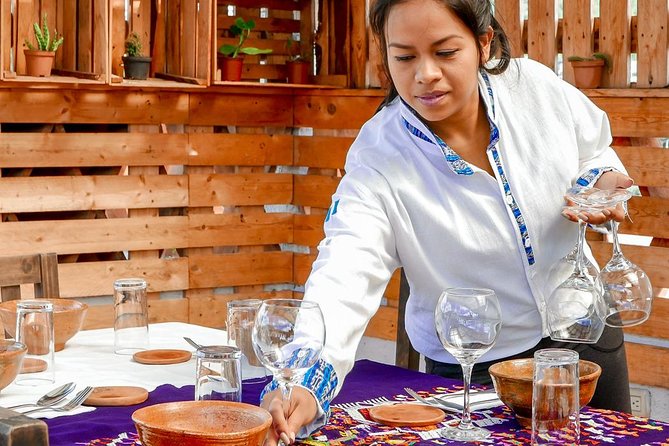
Lunch is not included. That’s normal for a cultural tour day, but it changes how you plan your spending and energy. Since you’ll have tastings for honey and chocolate earlier, you might not feel hungry right away, or you might get full fast.

The good news is that your guide will usually have a restaurant recommendation. In past days, guides named Luis and Lupe have suggested a great place to eat, and the lunch experience was described as traditional and delicious with good views.

So here’s the move: come with a small appetite plan. If you want a proper meal after the tour, keep your shopping light earlier and save most of your appetite for later.

Who should book this tour, and who might want something else

I think this works best for you if:

  • You want a first-day overview of multiple Lake Atitlan villages
  • You care about Mayan culture expressed through art, craft, and daily life
  • You like the idea of syncretism, Catholic churches shaped by local belief
  • You’d enjoy tastings, especially honey and chocolate

It may not be the best fit if:

  • You want a strictly academic, deep-only history day with minimal shopping
  • You hate frequent gift-shop style interruptions, even if shopping is optional
  • You’re trying to keep costs extremely tight, because lunch is extra

If you’re flexible and curious, this tour gives you a lot of culture per hour.

Should you book Lake Atitlan Cultural Tour Exploring Mayan Villages?

Book it if you want a smooth, guided way to connect the lake towns of San Juan la Laguna, San Pedro La Laguna, and Santiago Atitlan to the big ideas of identity, craft, and living tradition. For $65, you get a practical day plan with guided walks, tastings of honey and chocolate, a weaving demonstration, and multiple church visits that explain how Catholic and Maya beliefs overlap.

Don’t book it if shopping and cooperative stops feel like a deal breaker, or if you need lunch included in the price. Also, bring a small backpack approach for souvenirs, because there are several opportunities to buy textiles and handmade goods.

If your goal is to understand Lake Atitlan beyond the postcard view, this is a solid choice.

FAQ

How long is the Lake Atitlan Cultural Tour Exploring Mayan Villages?

The tour lasts about 6 to 7 hours.

How much does the tour cost?

It costs $65.00 per person.

Is lunch included?

No. Lunch is not included.

What’s included in the price?

Transport is included. The church visit in San Juan la Laguna includes admission, while other listed stops have admission ticket costs listed as free.

How many people are in a group?

The maximum group size is 15 travelers.

Where does the tour start and end?

The tour starts at the meeting point and ends back at the meeting point.

Can I cancel for a full refund?

Yes. You can cancel up to 24 hours in advance for a full refund. If you cancel less than 24 hours before the start time, the amount paid is not refunded.

More like this

Mayan Culture Tours in Lake Atitlan, compared.

The full Mayan Culture Tours in Lake Atitlan list →
Mayan Nose Sunrise Hiking
★★★★★★★★★★4.5· 62 reviews· from $35

Mayan Nose Sunrise Hiking

Read our review →
Lake Atitlan: Mayan Ceremony at the Sacred Caves
★★★★★★★★★★5.0· 52 reviews· from $118

Lake Atitlan: Mayan Ceremony at the Sacred Caves

Read our review →
Lake Atitlan: Mayan Ceremony at the Sacred Caves
★★★★★★★★★★4.8· 37 reviews· from $108

Lake Atitlan: Mayan Ceremony at the Sacred Caves

Read our review →
Mayan Nose Sunrise Hiking + Chichicastenango Market Tour
★★★★★★★★★★5.0· 22 reviews· from $60

Mayan Nose Sunrise Hiking + Chichicastenango Market Tour

Read our review →
Maya Cooking Class from Panajachel
★★★★★★★★★★5.0· 20 reviews· from $49

Maya Cooking Class from Panajachel

Read our review →
Lake Atitlan Maya Kitchen: 3-Hour Cooking Class
★★★★★★★★★★4.8· 17 reviews· from $70

Lake Atitlan Maya Kitchen: 3-Hour Cooking Class

Read our review →
Lake Atitlan Lower Mayan Trail Hiking Tour from Panajachel
★★★★★★★★★★4.5· 15 reviews· from $51

Lake Atitlan Lower Mayan Trail Hiking Tour from Panajachel

Read our review →
Iximche Mayan Ruin from Panajachel
★★★★★★★★★★5.0· 10 reviews· from $107

Iximche Mayan Ruin from Panajachel

Read our review →
Scroll to Top

Explore Guatemala

Pick the day first; the region follows.