
Reviewed · ACATENANGO VOLCANO HIKES
Overnight Adventure Hike Acatenango Volcano
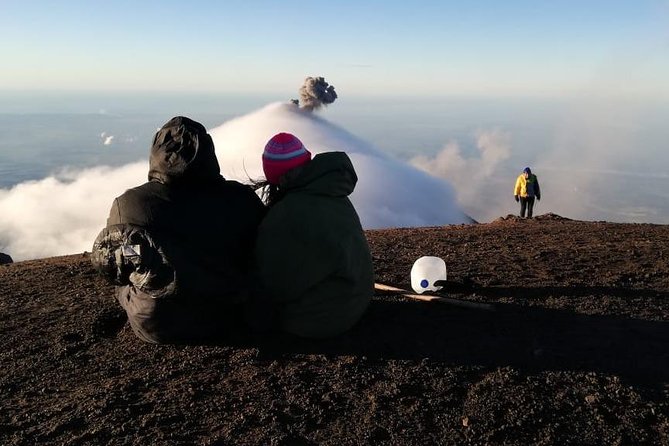
Hiking Acatenango and spending the night on the volcano slopes is the kind of travel that feels physically real, not just scenic. The air changes as you climb, the night is quiet in a way city life never is, and you get that close-up sense of standing near something powerful.
I like two things a lot. First, the ascent through highland scenery where you can spot unique plant life as the temperature drops. Second, the human touch from guides like Angell and Rogelio, who come across as helpful and friendly when you need directions, encouragement, or a moment to get your photos.
One drawback to plan for: this hike can feel crowded or logistically messy depending on how many people show up and how the groups are managed. Even though the tour is advertised with a smaller group cap, I’d come prepared for cold conditions and tight timing, especially if things start late or supplies run thin.
Key Things to Know Before You Go
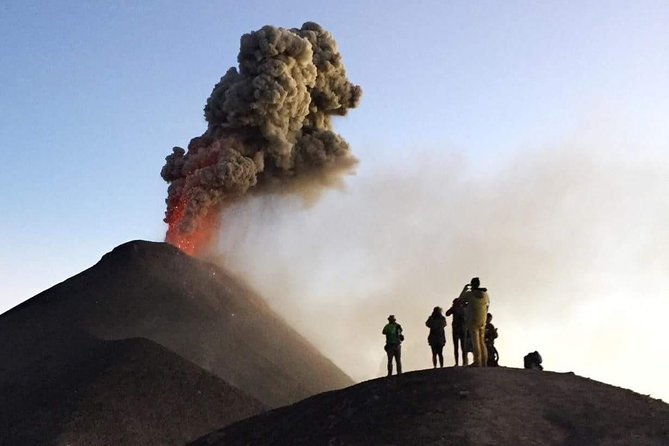
- Camping on Acatenango’s slopes for a true overnight volcano experience, not just a day hike
- Gear is partially covered, with sleeping bag, mat, gloves, and sweaters included
- Hot drinks use your water, with coffee or tea the next morning and hot chocolate the first night
- Add-on costs add up, especially park entrance plus rentals like backpacks, walking sticks, or flashlights
- Summit plans can shift with weather, and the pace can be tighter than you expect
- Group size and organization matter, so come early and double-check the meeting point
Why Sleeping on Acatenango’s Slopes Feels So Different
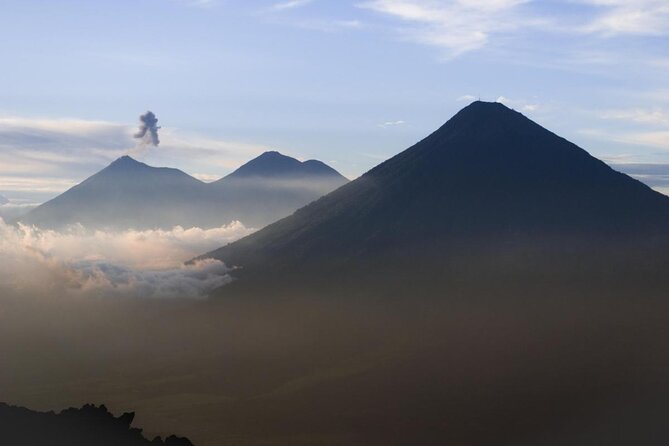
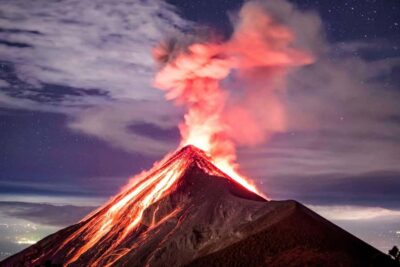
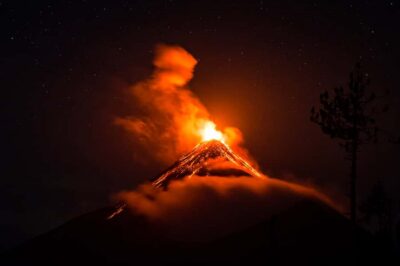
This overnight hike is interesting because it turns Acatenango from a photo destination into a full sensory experience. You’re not only walking, you’re sleeping in the same area where the volcano presence is unavoidable, the kind of feeling you can’t replicate from a lookout.
The best part is the slow build. Daylight gives you time to watch the environment shift as you gain elevation. Then the night brings stillness, where the stars and the quiet make the whole effort feel worthwhile, even when your legs are begging for mercy.
If you’re the type who likes adventure that’s real and not overly cushy, you’ll probably love it. If you need smooth, hotel-level organization and warm meals on a schedule, you’ll want to keep expectations grounded.
More Acatenango climbs:
- From Antigua: Adventure, 2-Day Hiking to Acatenango Volcano
★ 4.4 · 1,189 reviews - Antigua, Guatemala: Volcano Acatenango Overnight Hiking
★ 4.6 · 645 reviews - Acatenango Volcano Overnight Tour
★ 4.5 · 358 reviews
Antigua’s 8:00 AM Start and the Walk Into the Highlands
You start in Antigua Guatemala at 8:00 am. That early start matters because you’re climbing from the start, not easing into it later. It also helps you beat the day’s changing conditions, which can affect whether summit attempts go forward.
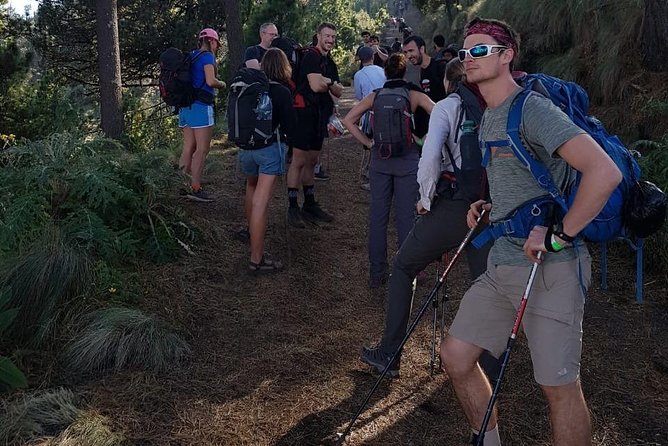
The route begins with walking through lush highland scenery, where you’ll likely notice plants and wildlife you don’t see at lower elevations. As you ascend, the air feels fresher, and the view starts showing itself in layers. It’s a gradual payoff, not a single moment.
This is also a hike where timing and pacing can feel fast. One thing I recommend: keep your questions short and clear early on. If the group is moving, ask the guide what you need right away, like when to eat, where to gather, and what “camp setup” will look like for your group.
Price Reality: $84 plus Park Entrance and Gear Rentals
The base price is $84 per person for about 2 days. On paper, that already covers the core experience plus key overnight gear. But the true cost can creep upward once you factor in add-ons.
Here are the direct extras you may need to budget for:
- Acatenango Park entrance: $14 per person
- Backpacks: $14 per person
- Walking sticks: $14 per person
- Flashlights: $7 per person
You might already own hiking sticks or a small headlamp, which can lower your total. If you don’t, then your budget could shift closer to the mid-$100s once those necessities come into play. That doesn’t make it bad value, but it does mean you should plan money like this is a volcano expedition, not a casual outing.
What’s Included (and What Usually Means You Bring the Rest)
What you get included is meaningful. You’ll have sleeping bag, a mats setup, plus gloves and sweaters. You also get coffee and/or tea, but the way it’s handled is practical and a little old-school: you give water to the guide so they can prepare hot chocolate, and you’ll provide water again the next morning for coffee or tea.
That water detail matters. If you show up with no clue how your portion is handled, you might miss the hot drinks part that makes the night easier. So think of it this way, you’re not just hiking, you’re also helping make camp comforts work.
On the comfort side, this isn’t an ultra-luxury camp. Your sleeping system is provided, but you’re still outdoors on a volcano slope. If you run cold easily, consider bringing extra warm layers. Also, if flashlights are not included in your package, get your own light source so you can move around camp without guessing in the dark.
A short list of other Antigua options
- From Antigua: Pacaya Volcano Trek
★ 4.4 · 798 reviews - Hike to Pacaya Volcano from Antigua
★ 4.5 · 502 reviews - Overnight Volcano Acatenango Hiking Adventure
★ 4.5 · 315 reviews - Acatenango Overnight Hike Multiday Tour
★ 5.0 · 199 reviews
Day 1 Ascent to Base Camp, with Big Views and Cold Feet
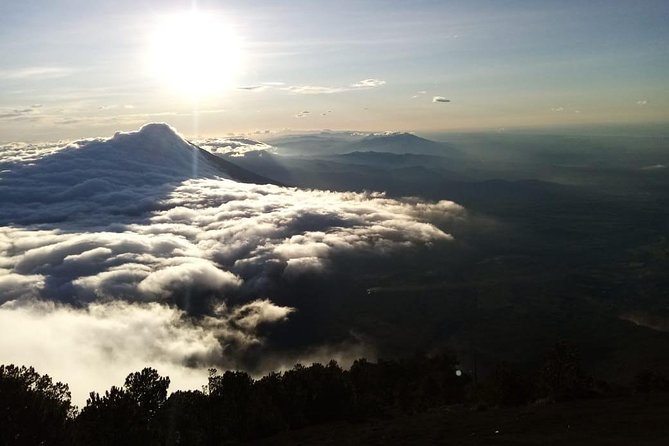
Day 1 is the climb, and it’s described as tough. You start early, move through changing terrain, and keep ascending until you reach camp/base camp area. Expect the air to cool as you go, and keep an eye on footwear and socks, because wet or worn-down feet can ruin the whole mood.
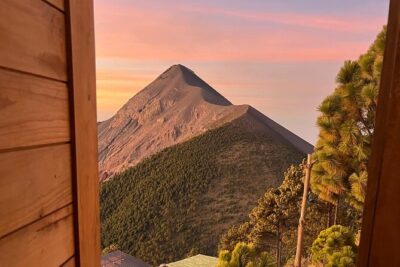
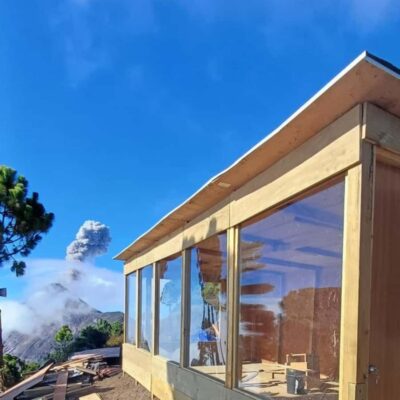
There’s also a key reality to know: the experience is view-focused, and you may have opportunities to see the volcano activity from camp. But the hike can also feel rushed at times, especially if the group is large or the schedule gets tight. If you want photos, I’d aim to be ready to pause quickly when the guide signals a short stop.
Food on day one is another variable. Breakfast is not included on day one. Dinner may be served, but the quality can be basic, and I’ve seen complaints about portions and warmth, like bread that was tough and cold and pasta that wasn’t as hearty as people hoped. You can still have a good time, just don’t assume a feast.
Camp Under the Stars: Sleeping Bag Comfort and Night Rules
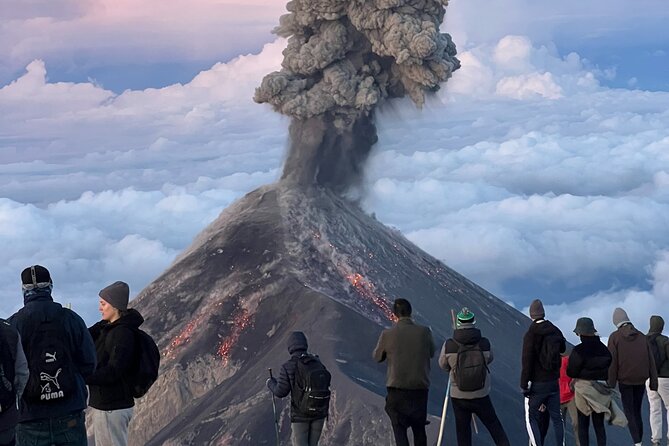
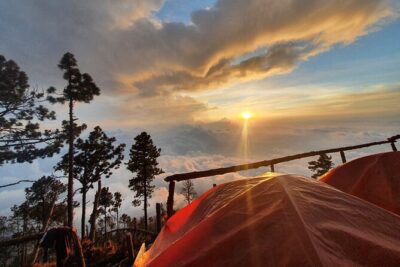
Spending the night under the stars is the headline. That’s why the hike works even when the climb is hard. Outdoors at elevation, the sky can feel unreal, and the quiet at night makes the whole trip feel intimate.
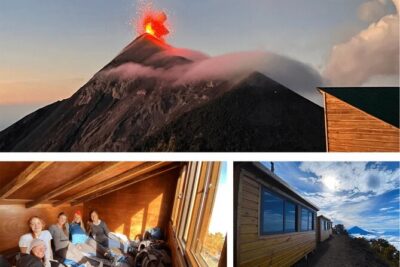
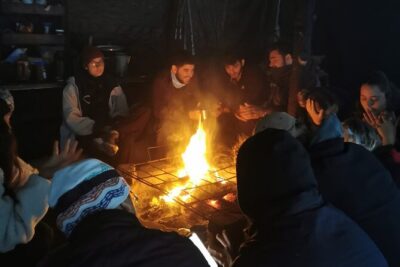
Your overnight setup is covered with a sleeping bag and mats, so you’re not sleeping on bare ground. But because you’re on a volcano slope, warmth depends on more than gear. Cold wind and nighttime temperatures can still bite, so treat the gloves and sweater as a starting point, not the whole solution.
Also, camp nights run on simple routines. You’ll likely follow the guide’s direction for where to store items and how to handle the hot drinks. Giving water so hot chocolate can be made is one of those small tasks that helps camp feel civilized.
If you’re the type who likes a strict schedule, note that night logistics can be looser than you expect. When groups get crowded, instructions can get unclear. If you want to avoid stress, stay organized with your own snacks, water, and light, and confirm where your group is supposed to gather.
Day 2 Breakfast and the Summit Plan That Depends on Weather
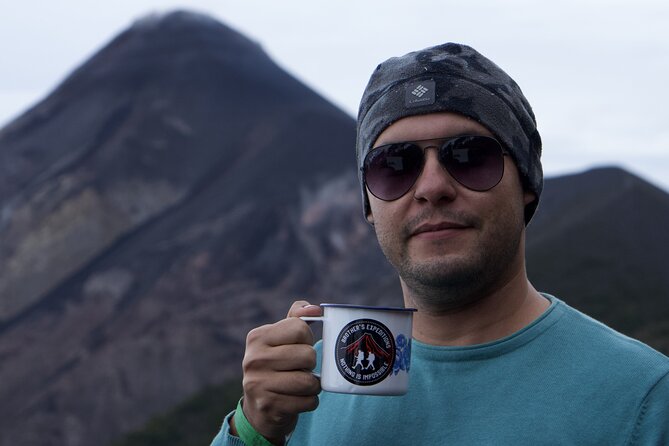
Day 2 includes breakfast, and then the plan moves toward the next phase of the adventure. The tricky part is that summit timing can depend on conditions. Perfect weather doesn’t always guarantee the exact plan you were told at the start.
One of the most important things to understand before you commit: the group may be told you can’t go to the summit in the morning if conditions change. That doesn’t mean the hike is useless. You’ll still get morning views and a completed overnight trek, but you should be mentally ready for a turn in the plan.
The hike is not for casual walkers. The overall requirement is a strong physical fitness level. If you have endurance and you’re comfortable with steep climbing, you’ll handle surprises better. If you don’t, a weather-related change can feel harsher, because you expected a specific highlight.
When breakfast happens, pay attention and eat what’s offered. Morning energy is the fuel for whatever happens next, whether it’s more hiking, a final photo stop, or heading back down.
Food, Warmth, and the Comfort Gaps You Should Expect
This is where you should calibrate expectations. Some parts of the experience hit hard in a good way, but meal quality can swing from basic to disappointing. There are complaints about cold food, portions that feel small, and a lack of the warm, hearty meals people want after a tough climb.
That doesn’t mean it’s unsafe or broken. It means the tour is focused on the hike and the volcano views, and the meals are part of the machine, not the star attraction. If food quality is a big deal for your enjoyment, bring extra snacks that you can eat quickly and without waiting.
Warmth is the other comfort topic. Gloves and sweaters are included, but you can still end up cold if the supply or distribution doesn’t match the group. Cold weather is normal at elevation, and a delayed start can make it feel worse. If you tend to run cold, bring your own layers that you can layer under and over what’s provided.
Also, watch for the little friction points, like the lack of flashlights being on the not-included list. Even if the tour provides a basic setup, darkness adds stress. Your own light reduces that stress.
Guide Quality and Group Size: How to Get the Experience You Paid For
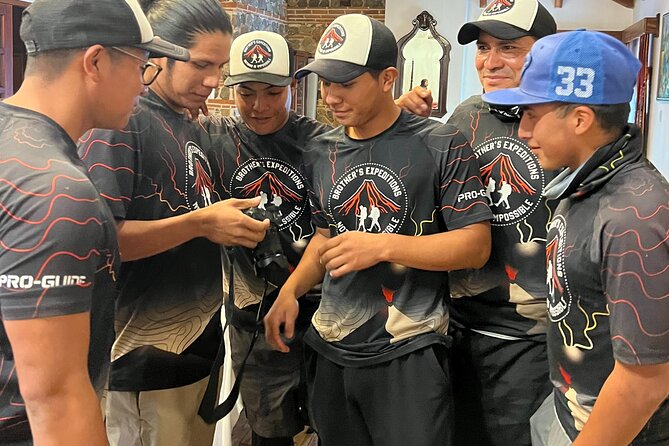
The best version of this tour is guided by people who manage the climb with energy and care. The names Angell and Rogelio show up as examples of guides who are friendly and helpful. When guides can keep momentum and also communicate clearly, the hike feels like a real team effort.
The issue is scale and organization. On paper, the tour has a maximum group size of 15 travelers. Yet there are real-world reports of much larger groups showing up and instructions becoming confusing, with guides struggling to manage everyone. That can lead to missed meal timing, less time for photos, and a more chaotic feeling at start.
So here’s how you protect yourself:
- Arrive early and confirm your meeting spot so you don’t get separated.
- Ask a simple question at the start, like where you’ll be when meal times are announced.
- Stay close to your group leader even if you see people spreading out.
This is a safety-minded hike. When groups get too big, safety depends more on the crowd staying together and less on smooth communication. You can’t control the operator, but you can control your attention and your readiness.
Should You Book This Overnight Volcano Hike?
Book it if you want an honest, physical adventure with a real overnight camp and starry skies. If you like volcano country and you’re comfortable moving uphill for a while, the views from base camp and the overnight vibe are the main reason to do it.
Don’t book it if you need comfort and certainty above all else. This hike can be tough, meals can be basic, and summiting can change with weather. If you’re sensitive to cold or you hate disorganized logistics, you may find the experience stressful instead of fun.
If you do book, go in with the right mindset. Think endurance and flexibility, not a perfect itinerary script. And pack smart for cold night conditions, bring your own light if you can, and double-check the exact meeting location so your day starts smoothly.
FAQ
Where does the Acatenango overnight hike start and end?
It starts in Antigua Guatemala, Guatemala, and ends back at the same meeting point.
What time does the tour start?
The start time is 8:00 am.
How long is the hike?
The duration is 2 days (approximately).
What overnight gear is included?
Sleeping bags and mats are included, along with gloves and sweaters.
Is breakfast included on the first day?
No, breakfast is not included on the first day. Breakfast is included for the second day.
Are hot drinks included?
Yes. Coffee and/or tea are included, and hot chocolate is prepared using water that you provide to the guide.
What costs are not included for this tour?
The Acatenango Park entrance is not included ($14 per person). Backpacks ($14), walking sticks ($14), and flashlights ($7) are also not included.
Is a flashlight included?
No, flashlights are not included. The tour lists flashlights as an add-on cost ($7 per person).
What fitness level do I need?
Travelers should have a strong physical fitness level.
Can I cancel for a full refund?
Yes. You can cancel up to 24 hours in advance for a full refund.
Just reviewed around Antigua
- Walking Tour Antigua, an open Museum★ 5.0 · 4 reviews
- Volcan Pacaya on wheels ATV From Antigua or Guatemala city.★ 5.0 · 4 reviews
- The old UNESCO★ 5.0 · 3 reviews
- Village Tour in Antigua Guatemala★ 5.0 · 4 reviews
- Transportation from Antigua to Panajachel★ 4.5 · 4 reviews
- Tour of towns around Antigua Guatemala and Hobitenango★ 4.0 · 3 reviews
- Tour to the foothills of the volcano on ATV★ 5.0 · 3 reviews
- Private Transfers in Guatemala★ 3.5 · 3 reviews
Acatenango Volcano Hikes, compared.
Adventure, 2-Day Hiking to Acatenango Volcano
Read our review →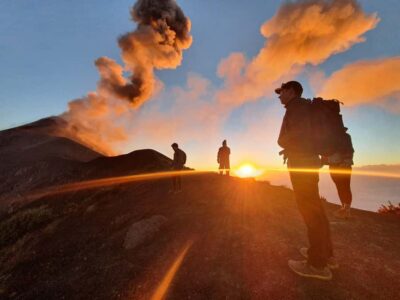
2-Day Acatenango Volcano Hike w/Local Guide & Meals
Read our review →Browse the lists this tour appears in