
Reviewed · COOKING CLASSES
El Paredón: Traditional Cooking Class with a Local Family
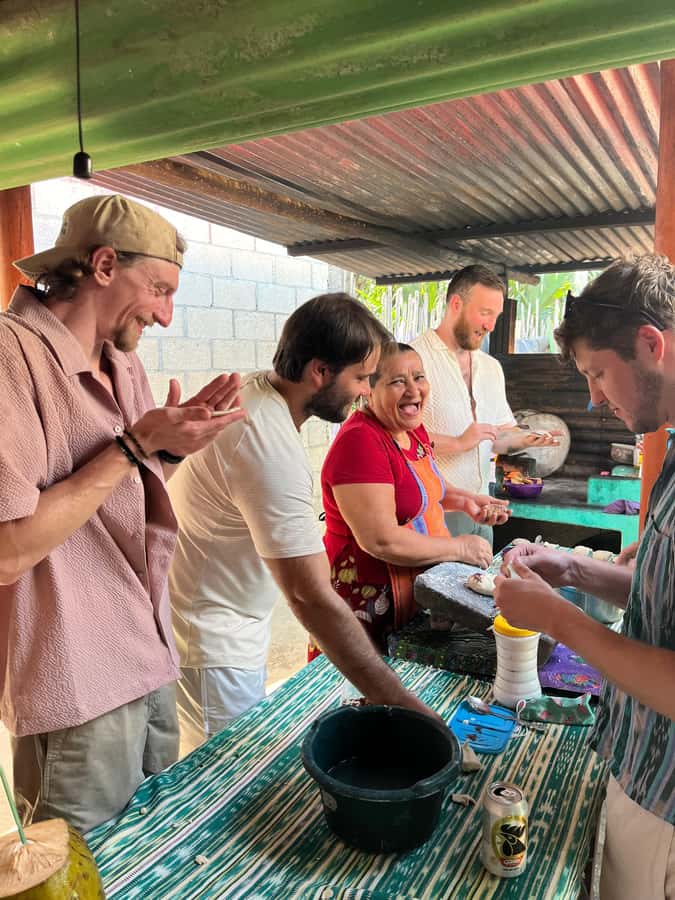
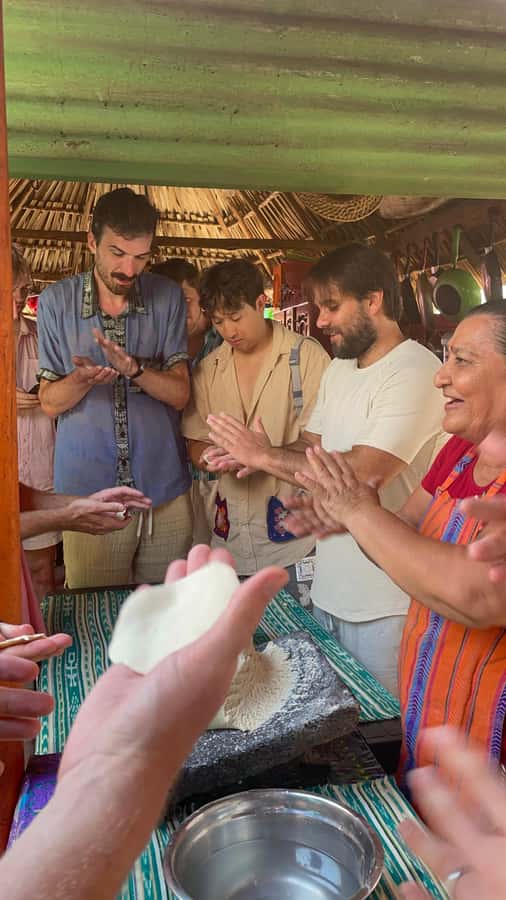
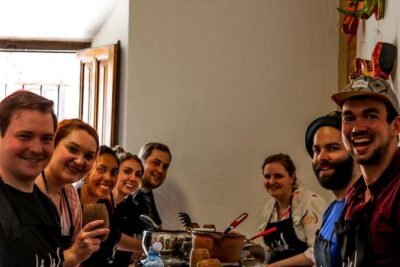
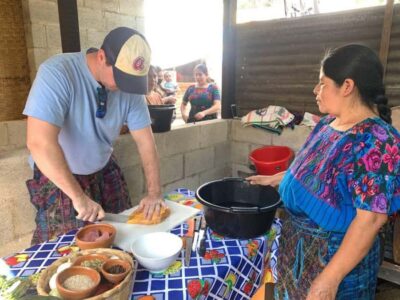
This experience is interesting because it happens inside a real home in El Paredón, not in a hotel kitchen or a demo room. You arrive, get welcomed properly, and spend 90 minutes working alongside a local family while making classic dishes from scratch.
I love that you learn hands-on techniques for Guatemalan corn tortillas and empanadas, using methods passed down through generations. I also like the simple, human part: you eat what you made together with the hosts, and you can ask questions about their daily life and the local area.
One consideration: the class is led in Spanish, and there is no English translator, so you may need to rely on basic Spanish or gestures.
Key things to know before you cook in El Paredón
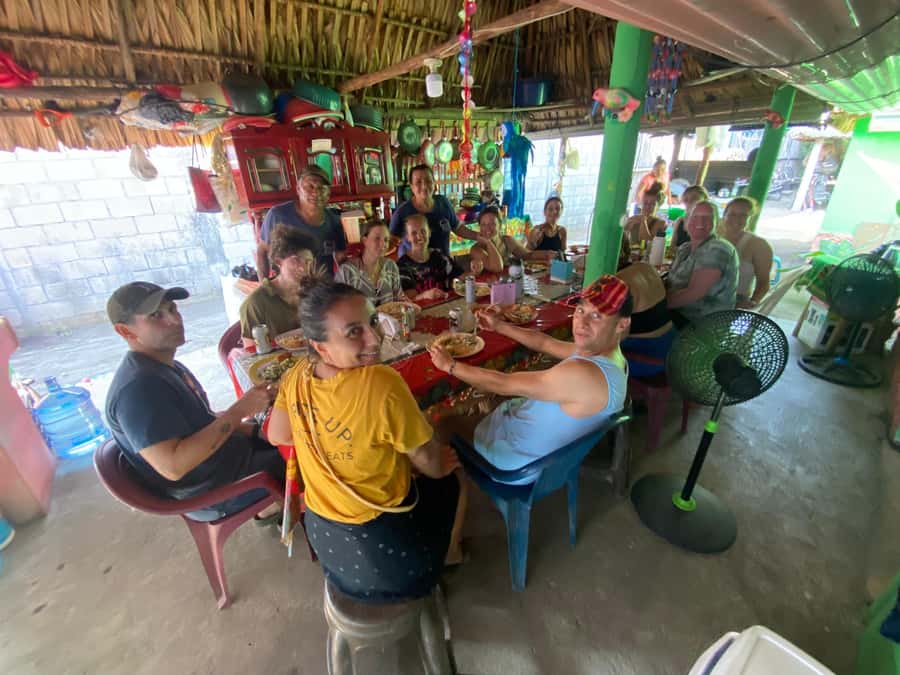
- Hands-on tortilla and empanada making: you will be actively chopping, slicing, mixing, and forming the food.
- A local-family home setting: the class starts and ends at Aura and Adelso’s home in the heart of El Paredón.
- Conversation that goes beyond food: you can ask about their routines, the area, and culinary traditions.
- Traditional salad included: you learn more than just the two main dishes.
- Private group format: this is run as a private group experience, which usually makes it easier to ask questions.
- Spanish-led, no translator: plan ahead if your Spanish is limited.
Why this El Paredón home cooking class feels different
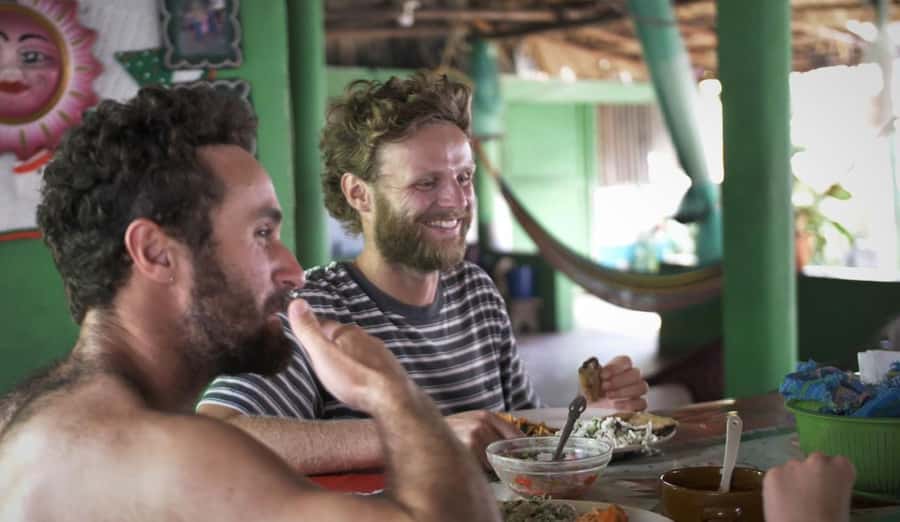
In El Paredón, you are not touring a museum. You are stepping into someone’s kitchen during their normal life rhythm. That is what makes this kind of class special, and it is exactly how this one is designed: the experience starts at the family home, continues with real cooking work, and ends back where it began.
The format is refreshingly straightforward. You arrive at 1:30 PM, get a warm welcome, and then the family introduces you to their way of life and local traditions. From there, you get involved while the hosts demonstrate each step and share insights as you go.
Two things make this feel practical, not staged. First, the cooking is built around the core basics people actually eat every day. Second, the meal is shared right after cooking, so you taste the result while the experience is still fresh in your mind.
More Guatemalan cooking classes:
- Authentic Guatemalan Cooking Class in Antigua
★ 5.0 · 438 reviews
Timing, price, and what 90 minutes really means
This experience runs 90 minutes total, and the meal happens at the end of that window. The time matters, because tortilla and empanada making is hands-on work, not a quick show-and-tell. You will likely spend much of the class actively cooking, then sit down together once everything is prepared.
The price is $58 per person. For a private, at-home class that includes instruction, ingredients for multiple dishes, and a shared meal, that can feel like solid value, especially if you are the type of traveler who actually wants to learn a technique, not just watch one. If you are only looking for a snack or a quick cultural photo, the cost might feel steep. But if you want a skill you can repeat later, it is easier to justify.
Also note what is not included: dessert is not included, and transport is not included. So plan to get to the meeting point on your own, and expect the class meal to be the main event.
Meeting in the right place: getting to Aura and Adelso’s home
The meeting point is tied to a specific starting spot. You reach Hotel Ola Beach House in El Paredón, then walk 100 meters west. After that, you ask outside the family house of Aura and Adelso for your cooking class.
That is helpful because it gives you a clear geographic anchor, but it also means you should budget a little time for finding the exact house. If you are arriving with a driver, I suggest confirming the walking direction before you drop off, so you are not standing around with a hungry timeline.
Because this is an at-home experience in the heart of El Paredón, the best approach is simple: be early enough to find the right door, and be ready to be guided from the outside to where the class begins.
Step-by-step cooking with a local family (what happens when you arrive)
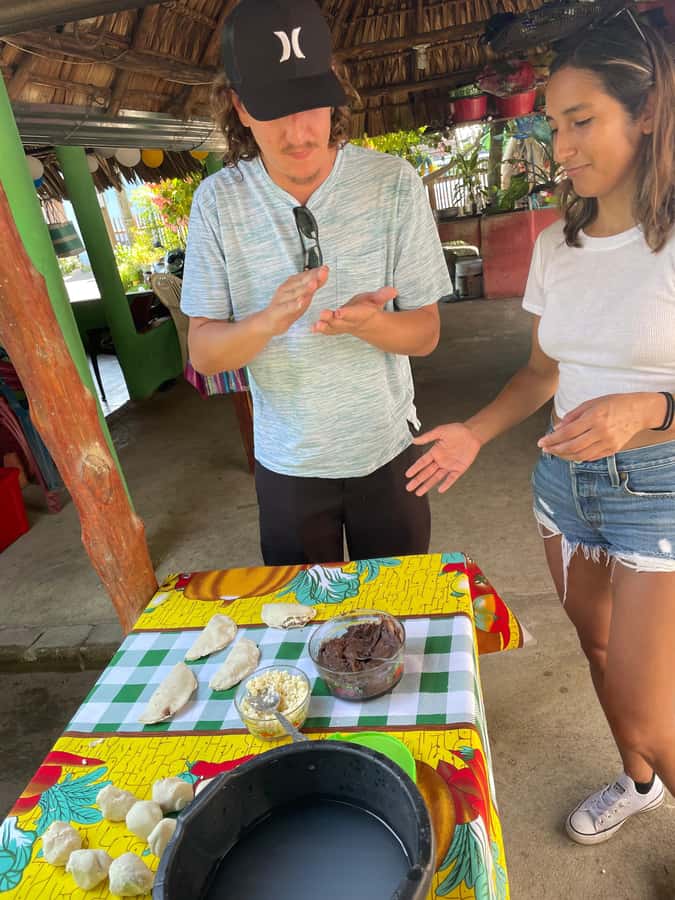
When you arrive, the hosts welcome you warmly and introduce themselves. You also get a quick overview of their lifestyle and local traditions. That early moment is not just small talk. It sets the tone, and it makes the cooking make more sense, because you understand where these dishes fit into everyday life.
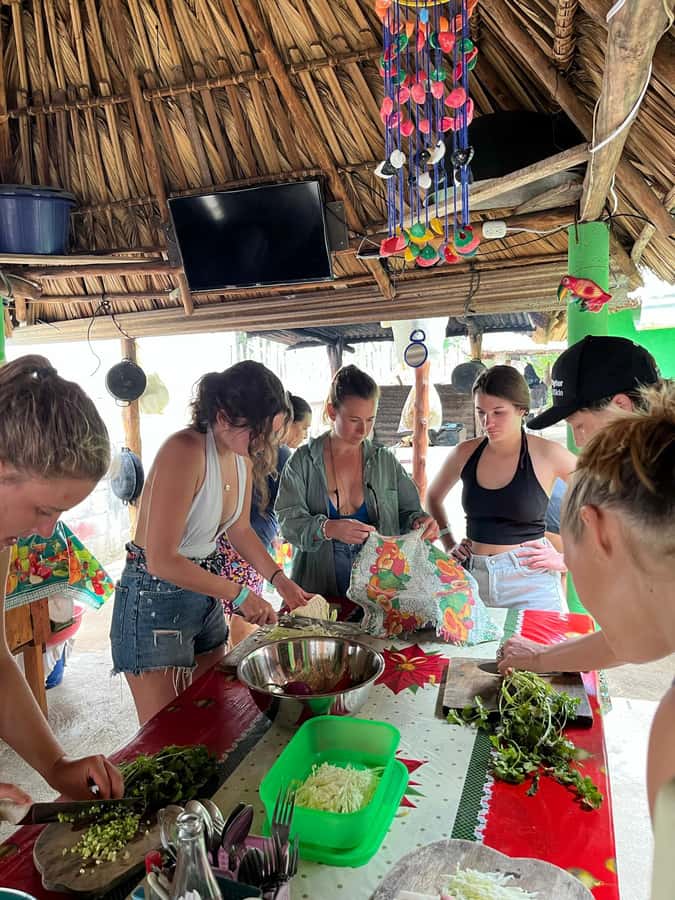
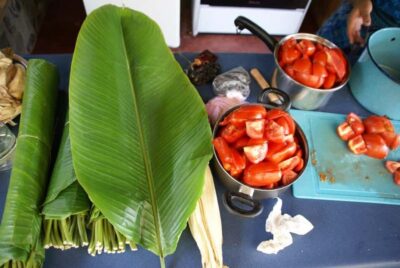
Then you start cooking. The class is hands-on right from the beginning, with time for you to chop, slice, and mix while you ask questions. This is one of the best parts if you like learning through interaction. You are not waiting for someone to finish explaining before you do anything yourself.
What the hosts emphasize is the traditional method. They demonstrate how they prepare the dishes, and they guide you through each step. The teaching is the kind that makes you feel like you are being coached, not evaluated. When the family is comfortable teaching, you tend to relax faster, and that makes a huge difference in a short 90-minute class.
If you want to get the most out of it, come with a curiosity mindset. Ask about their ingredients and local food habits. Ask what is different between their everyday cooking and a special meal. Even a few simple questions can turn a cooking class into a cultural conversation.
Corn tortillas: learning the technique, not just the final result
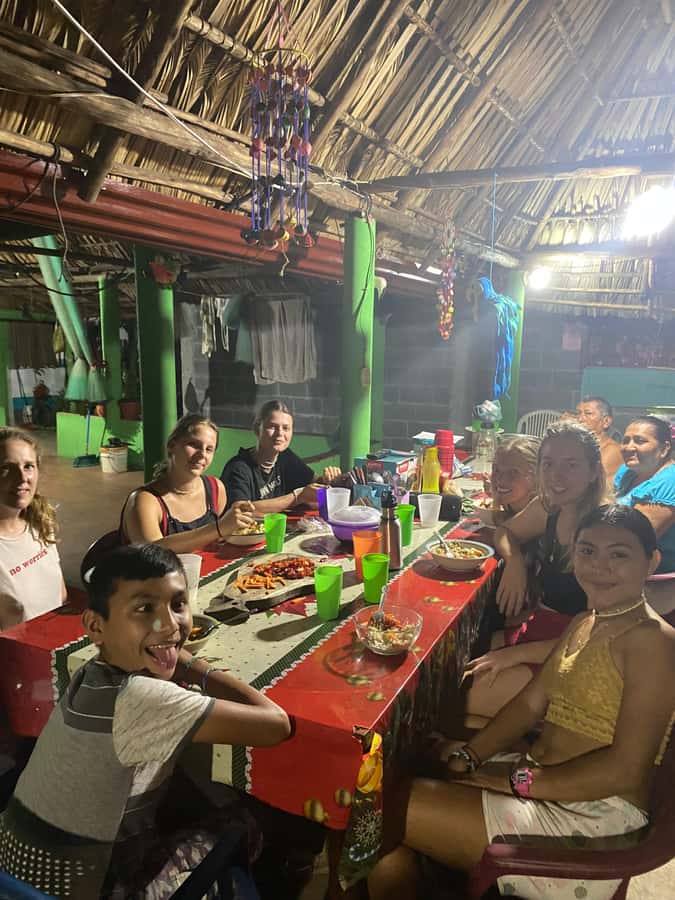
You will learn to make Guatemalan corn tortillas from scratch. That means you are not only observing how they look at the end. You learn the method that gets you there, and that is what you will actually remember.
Corn tortillas are a core part of many daily meals in Guatemala, so learning to make them is more than a cooking hobby. It is a shortcut into how people think about food, rhythm, and ingredients. You will also understand why tortillas are such a practical staple in kitchens where time and technique matter.
One practical tip for this part of the class: wear comfortable clothes you do not mind getting a little messy in. Since you are chopping, slicing, and mixing as part of the experience, the kitchen work can get hands-on quickly. If you come dressed like you are headed to dinner, you may feel too cautious to focus.
Empanadas from scratch: shaping, timing, and teamwork
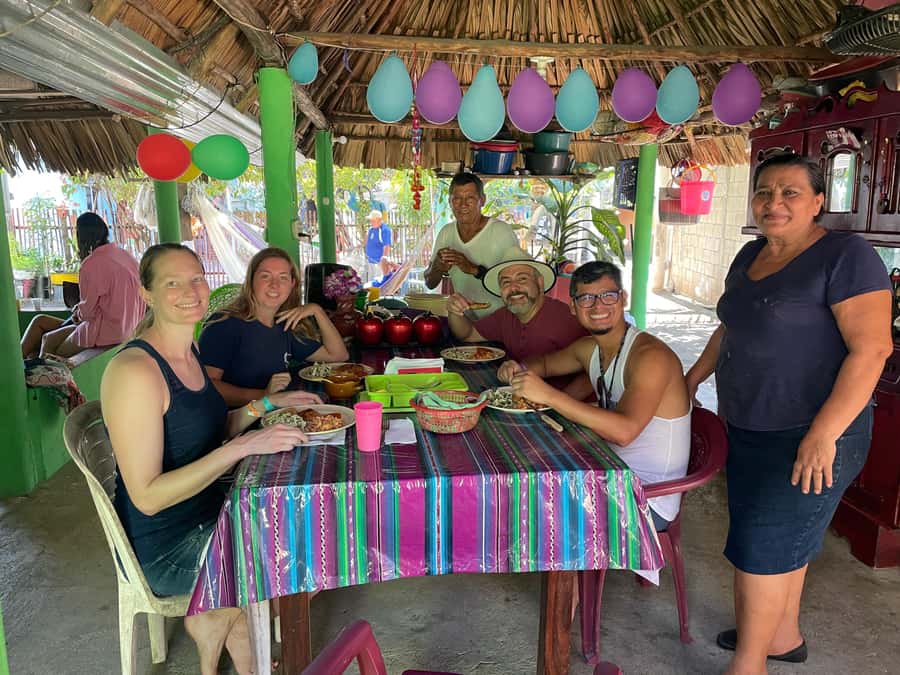
Next up is empanadas, also made from scratch. This is where the class becomes more skill-based. Tortillas teach you the foundation. Empanadas ask for shape and handling, and you will feel the difference immediately when you start working with the dough and filling process.
Even if you do not end up with perfect empanadas on your first try, the payoff is learning how the family handles the process step by step. Traditional recipes are often as much about touch and pacing as they are about written instructions.
This is also a good moment to ask questions. If you want to replicate the food later, ask what they watch for while cooking. Questions like what signs tell them it is ready can turn the whole experience into useful memory, not just a meal you enjoyed.
The traditional salad: a change of pace that rounds out the meal
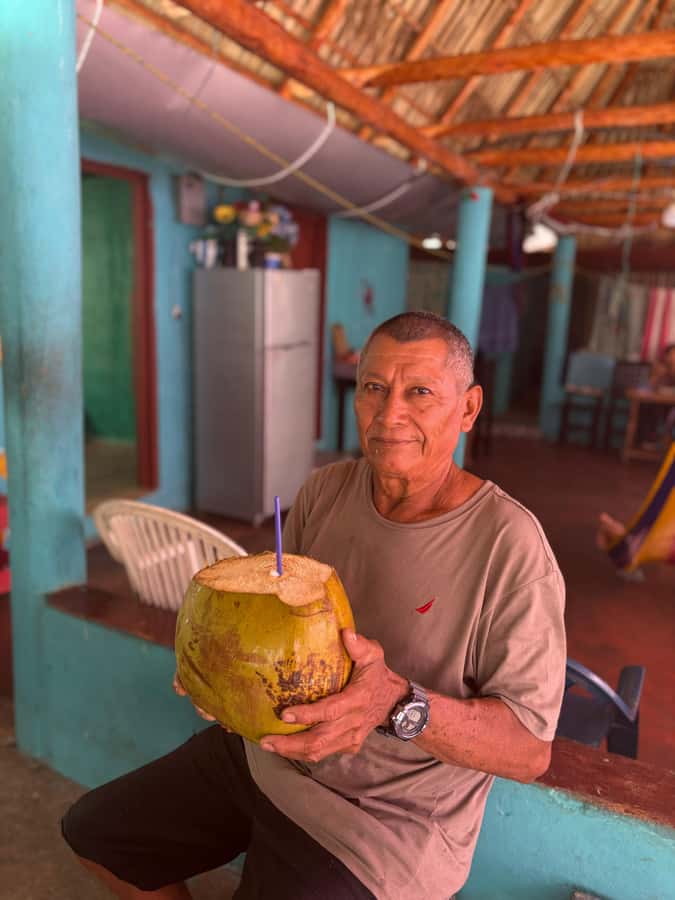
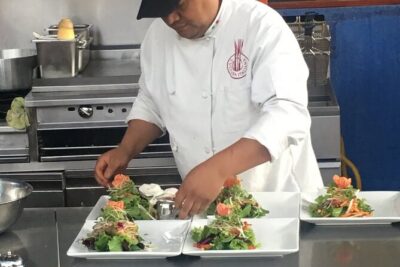
You will also learn to make a traditional Guatemalan salad. Including a salad alongside tortillas and empanadas matters because it gives the meal more balance. It is not only about starches and fillings. You learn another component of the plate the family serves.
This part can be underrated in short classes. But it is often where you learn the flavor approach that makes the whole meal come together. And since you will eat the finished meal together, you get immediate feedback on how everything works as a set.
Eating together: why the meal is part of the lesson
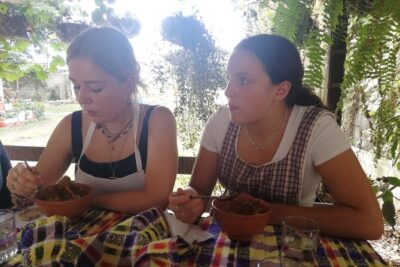
After cooking, you sit down together with the family to enjoy what you made. This meal is the natural reward for your effort, but it is also part of the learning.
Food lessons stick better when you eat them right away. You notice flavors, texture, and balance when it is fresh from the kitchen. You also get a relaxed moment to continue conversation. If you were shy earlier, this is often when you find it easier to ask questions and talk about daily life in El Paredón.
The tone from the way the class is run is warm and welcoming. People describe the hosts as friendly and comfortable teaching, and that shows in how quickly you likely feel at ease. In a private group setup, that matters even more, because you are not competing with a large crowd for attention.
Language and comfort: planning for a Spanish-led class
The class instructor is Spanish, and there is no English translator. That is the biggest practical factor to plan for.
Here is how I would handle it:
- Learn a few basic cooking words in Spanish ahead of time, or at least be ready to point and ask what something is.
- Ask simple questions while cooking. Even one or two clear questions can lead to useful answers.
- Bring a patient attitude. If you are trying to follow every single word, you will get frustrated. Focus on the steps and the technique, because that is where you will gain the real value.
Also, a quick note on rules: alcohol and drugs are not allowed. Plan to keep it simple and follow the family’s home rules. Since this is held in someone’s house, respectful behavior is part of the experience.
And yes, it is marked wheelchair accessible. If mobility is a factor for you, it is still smart to confirm details with the provider ahead of time, because every home layout is different, but the experience is intended to be accessible.
Value for $58: what you get, and when it is worth it
For $58 per person, you are paying for several things that matter in real terms:
- Instruction from the family as you cook
- Hands-on practice with tortillas and empanadas
- A shared meal immediately after cooking
- Cultural conversation tied to their daily routine and culinary traditions
The value equation gets better if you fall into one of these categories:
- You want to take home a technique, not just a meal
- You enjoy cooking and want to learn from people who cook daily
- You like travel that focuses on ordinary life and local food culture
The value equation might be weaker if:
- You only want a quick taste, and you are not interested in cooking
- Your Spanish is nearly zero and you dislike language barriers
- You are looking for full-day activities, because this is a focused 90-minute class
The private group aspect also helps. Even if you end up with a small number of people, it usually makes the teaching feel more direct, and it gives you better chances to ask questions while you are working.
Who should book this cooking class in El Paredón
This is a strong fit for:
- Food-minded travelers who like hands-on learning
- People who enjoy meeting locals in everyday settings
- Travelers who want a short, satisfying experience that ends with a meal
It is also a good choice if you want to avoid the “tour bus” feeling. This class is grounded in the family home, and that authenticity is the point.
If you are a solo traveler, it can be especially rewarding because you can ask more personal questions and you will be more present during the conversation at the table. If you are traveling with friends or family, the cooking and meal together can feel like a shared activity, not just an arranged lesson.
Should you book it or skip it?
Book this cooking class if you want real skills in a real home. The combination of corn tortillas, empanadas, and a traditional salad, plus the shared meal with Aura and Adelso, makes it more than entertainment. You leave with technique, taste, and stories you can actually use.
Skip it if you are not comfortable with Spanish-led instruction and you strongly prefer English. Also skip it if you already have a busy day and you only want a quick snack, because this experience is built around cooking time and shared table conversation.
If you want a practical, local El Paredón experience that feels personal and not rushed, this is an easy yes.
FAQ
What dishes will I learn to make in this class?
You will learn to make Guatemalan corn tortillas, empanadas, and a traditional Guatemalan salad.
How long is the cooking class?
The experience lasts about 90 minutes.
Is there an English translator?
No. The instructor is Spanish, and an English translator is not included.
Where do I meet the family?
You meet at Hotel Ola Beach House, then walk about 100 meters west and ask outside Aura and Adelso’s home for the cooking class.
Is transport included?
No. Transport is not included.
What is not allowed during the experience?
Alcohol and drugs are not allowed.
More Workshops in El Paredon
- Bean-to-Bar Chocolate Workshop in ChocoMuseo Antigua
★ 5.0 · 353 reviews - Guatemalan Cooking Class & Market Tour
★ 5.0 · 213 reviews - Guatemalan Cooking Class and Market Tour
★ 5.0 · 145 reviews - Make your own Mayan Pepian – Cooking class
★ 5.0 · 39 reviews
Just reviewed around El Paredon
- El Paredón: Mangrove Boat Tour with Optional Fishing★ 4.7 · 5 reviews
Cooking Classes, compared.
Browse the lists this tour appears in