
Reviewed · CRUISES & BOAT TOURS
El Paredón: Mangrove Boat Tour with Optional Fishing
What makes this tour interesting is the mix of easy boat time with a hands-on conservation moment. You’ll head into the El Paredón mangroves in Escuintla, then get to plant your own mangrove as part of the experience.
I love how the tour doesn’t feel like a quick cruise. I like that you can actually see wildlife up close, including birds, fish, and even the colorful crabs that live in the channels. One consideration: the tour is not suitable for pregnant women or people with mobility impairments.
Key Things That Make This Tour Worth Your Time
- Plant your own mangrove during the tour, not just a photo and a lecture
- Private group format keeps the pace calm and the questions real
- Wildlife spotting is part of the job, not an afterthought
- Local stories connect ecology to people, including references to Maya community life
- Optional fishing costs nothing extra, and it follows traditional local technique
Why the El Paredón Mangroves Feel Special in Just 90 Minutes
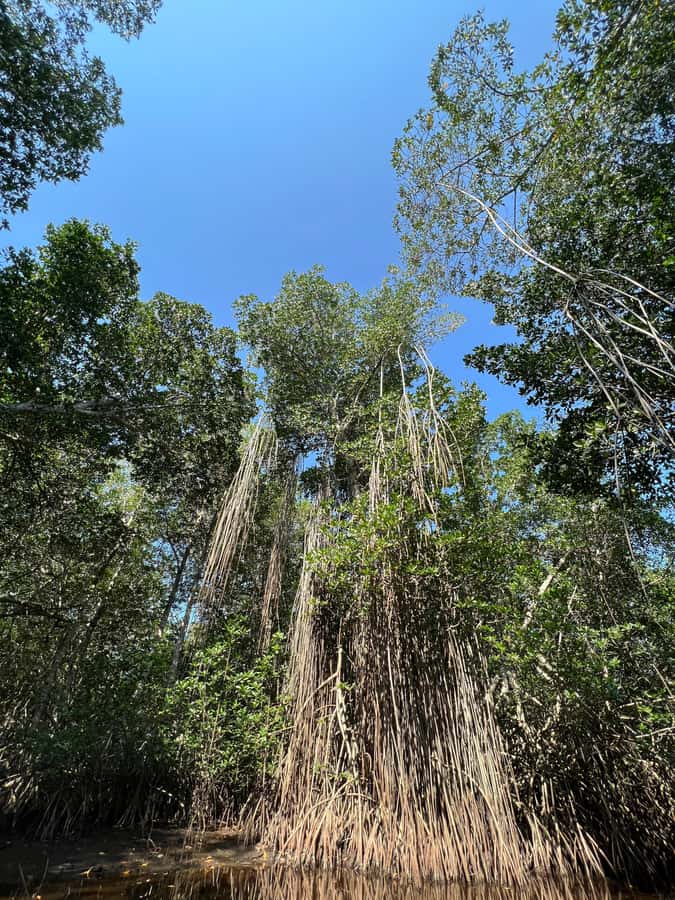
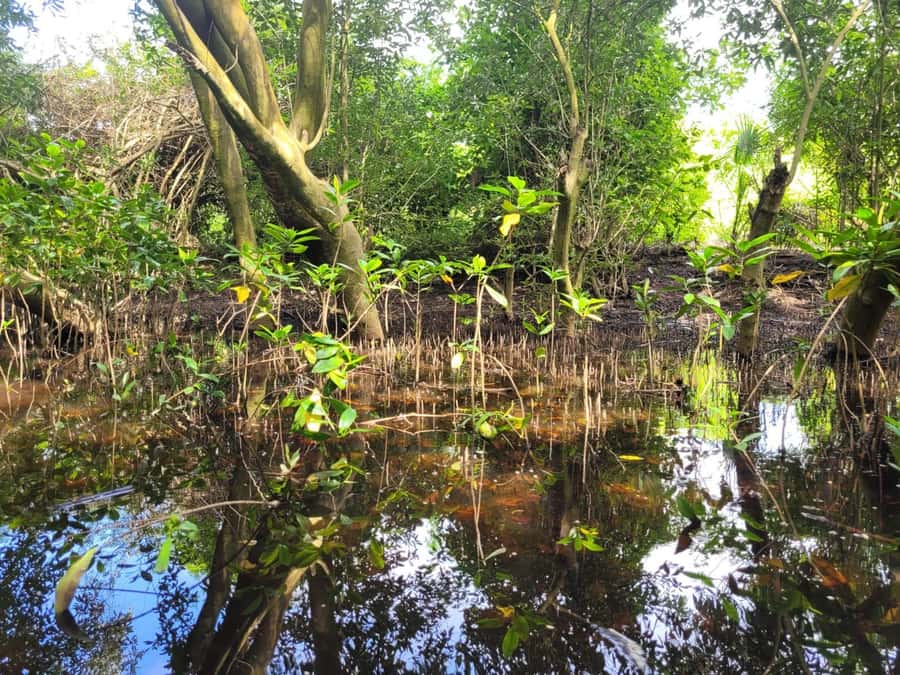
El Paredón sits in an area with a major mangrove ecosystem, the third largest in Guatemala. In plain terms, mangroves are hard-working wetlands. They shelter wildlife, filter water, and protect the shoreline. From the boat, you get a rare chance to understand that ecosystem without needing scuba gear or a long hike.
The best part is that you’re not stuck on a faraway viewpoint. You’re moving through narrow water where the mangrove roots create hiding spots and feeding areas. That is where birds show up, fish keep darting, and small creatures like crabs become part of the scenery. It feels like you’re seeing how the system actually works, not just memorizing facts.
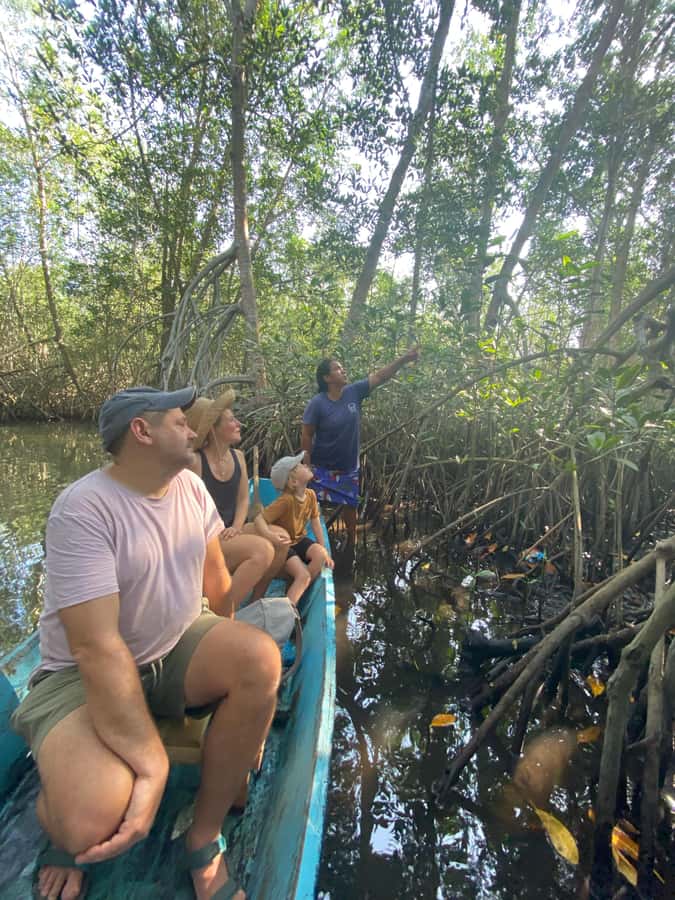
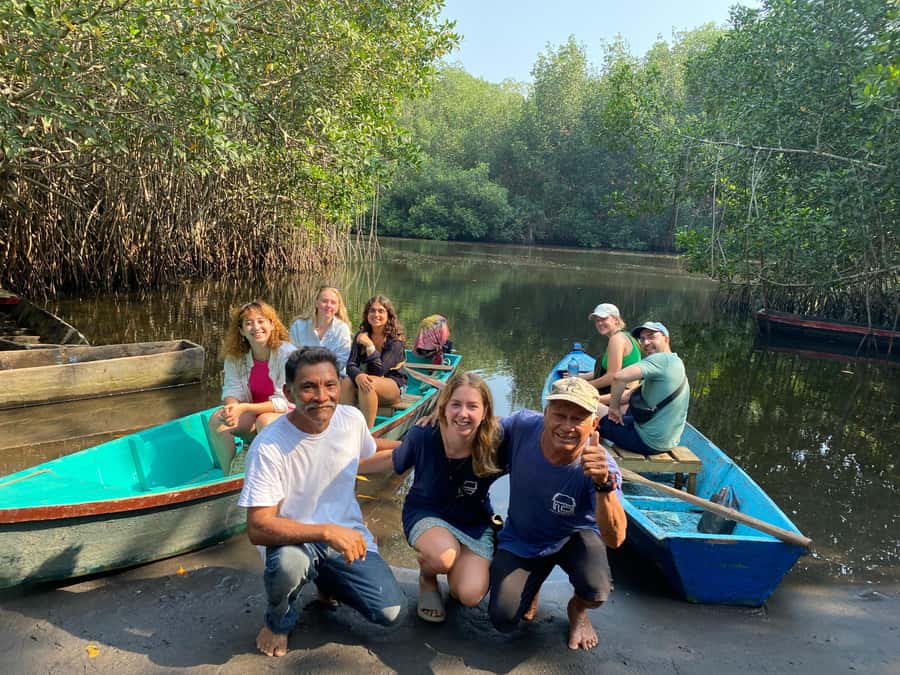
You also get more than nature content. The guide shares stories about the history of El Paredón and how the ecosystem ties into daily life. One guide, Adelso, is specifically mentioned as giving a warm welcome with his wife and taking time to explain mangroves, birds, and connections to Maya people.
A short list of other El Paredon options
- Lake Atitlán Sightseeing Cruise with Transport from Antigua
★ 4.5 · 99 reviews
8:00 AM or 4:00 PM: Timing, Pickup, and How the Tour Flows
This tour runs about 1.5 hours, with departures at 8:00 AM or 4:00 PM. That timing matters because you’ll have enough daylight to spot wildlife and see the mangrove channels clearly, and you can still enjoy the rest of your day in El Paredón.
Pickup is handled by WhatsApp. The provider will send you the pick up point, so watch your phone after booking. In one experience, the meeting point was easy to find and close to hotels in El Paredón, which makes a big difference if you do not want complicated logistics before you even start.
A typical flow looks like this:
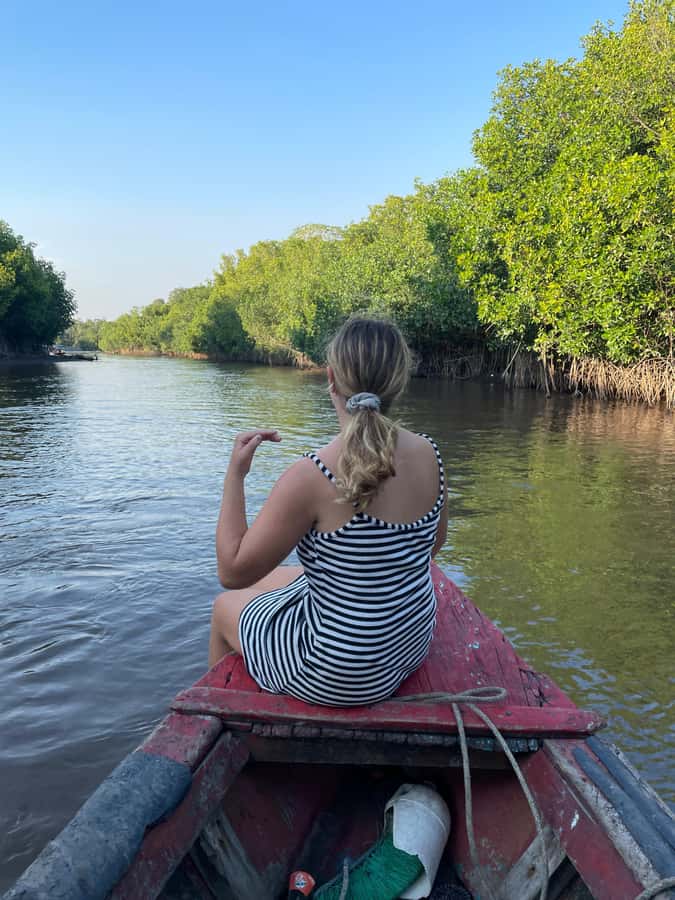
You meet, get welcomed, then head out by boat. You may start with a calmer stretch on the river, then your guide steers you deeper into the mangroves. After the wildlife spotting and explanations, you shift to the hands-on planting moment. If you choose the optional fishing, you’ll add that as part of the same outing, timing it within the 90 minutes.
The private group format is a practical plus. Even if there is only your group, you are not competing with a crowd for attention. You can ask simple questions and point at what you see.
From River Water to Mangrove Channels: Wildlife You Can Actually Spot
The tour is designed around what mangroves look like when you’re moving through them. The roots, shadows, and narrow passages change everything. Fish and crabs show up more easily when you’re close to the vegetation, and birds become easier to track when your guide knows where to look.
In real terms, this is what you can expect:
- You’ll spend time looking for birds and watching how they react to the water and vegetation.
- You’ll see fish at various points, especially when the boat slows and the guide points out activity.
- You may notice crabs and other small life right around the roots and shallow areas.
One traveler noted that they initially thought it would be only a nice river boat ride. Then the guide turned the route into the actual mangrove interior. That is a big deal. If you only stay on open water, the mangroves can feel distant. This tour aims to get you into the space where the ecosystem is doing its work.
The guides also explain what you’re looking at. You’re not just passively watching. You learn how the vegetation and wildlife connect, which makes the whole ride more satisfying.
Adelso, Stories, and the Maya Connection on the Water
The people part is a core reason this tour gets strong feedback. Adelso and his wife are specifically mentioned for a warm welcome drink and for taking time to explain what you’re seeing. That kind of pacing matters. It is hard to remember details if the guide talks while you’re bouncing nonstop, or if you only get a few quick remarks.
You should also know what language experience to expect. The guide speaks Spanish. One review highlighted that the guide did not speak much English, but basic Spanish was enough, supported by gestures and clear explanations. So if your Spanish is limited, do not panic. You can still participate, especially if you stay curious and ask simple questions.
What you’ll hear is not just nature trivia. The guide connects the mangrove ecosystem to the community, including references to Maya people and the history of El Paredón’s ecosystems. Even if you know nothing before you arrive, those stories help you place the mangroves in context instead of treating them like a random attraction.
Planting a Mangrove: The Hands-On Part That Makes It Feel Real
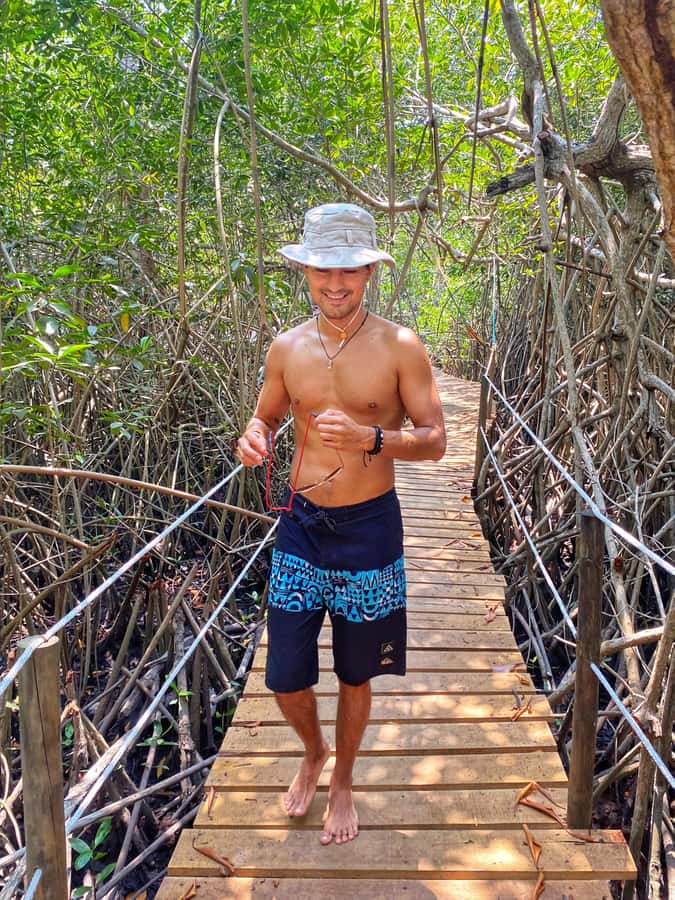
The mangrove planting is not a gimmick. It changes the feel of the tour because you leave with a tangible action behind it. You are not only learning about conservation. You help with it, at least in a small, practical way.
Here’s why this matters for you:
- You get a clearer sense of purpose. Wildlife spotting is fun, but planting adds meaning.
- You’re likely to pay closer attention during the rest of the tour, because you know you’ll be doing something hands-on later.
- It turns the 90 minutes into something you can talk about after, not just a blur of photos.
What you should do is be ready for the moment. Wear comfortable shoes (this is in the packing list for a reason), bring water, and keep your camera handy. You’ll want to capture the experience, but do not forget to actually look around. The planting is just one step in a broader ecosystem you are seeing in motion.
Optional Fishing: Traditional Techniques and January to April Timing
Fishing is optional and included with the tour at no extra cost. If you’re curious, it’s a great way to learn what local fishing practice looks like in real conditions.
The tour info also points to the best fishing season: January to April, during the dry season. That seasonal note matters because fishing activity often depends on conditions. If you’re traveling outside those months, you may still be able to participate, but don’t expect peak conditions to be guaranteed.
You’ll learn traditional techniques used by the local community. That piece is the value, not necessarily catching fish. Even if you do not get a big haul, you’ll likely come away with a better understanding of how locals work with the environment instead of against it.
One practical tip: if you think you might choose fishing, plan to arrive with energy and patience. This part of the experience is hands-on, and it needs attention.
Price and Value at $55 Per Person for a Private, Hands-On Tour
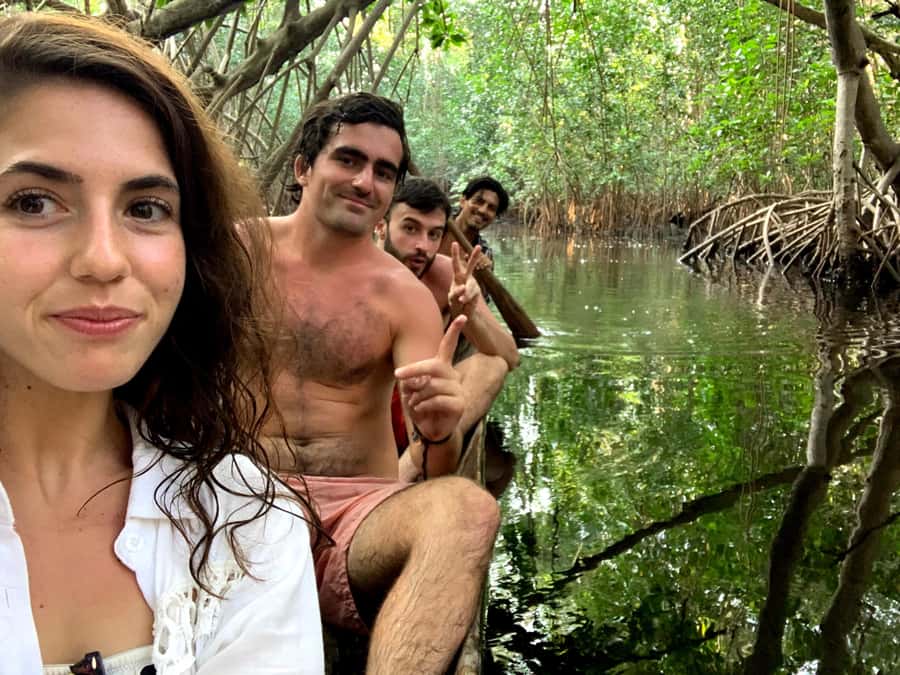
At $55 per person for about 90 minutes, this sits in a mid-range category for Guatemala. The real question is what you get for that price, and you get a lot that most short tours do not include.
Here’s the value breakdown:
- You get a guided boat ride through the mangroves
- You get education on wildlife and vegetation from the guide
- You get the chance to plant your own mangrove
- You get local community stories connected to the ecosystem
- Optional fishing is included with no additional charge
- You are in a private group setup, which often means less rushing and more time for questions
When a tour includes conservation action plus optional skill learning, the cost starts to look fair. It also helps that the duration is short enough that it doesn’t steal a whole day from a trip plan. If you’re staying in El Paredón and want one meaningful, nature-focused activity without overcommitting, this fits.
What to Bring for a Comfortable Mangrove Morning or Afternoon
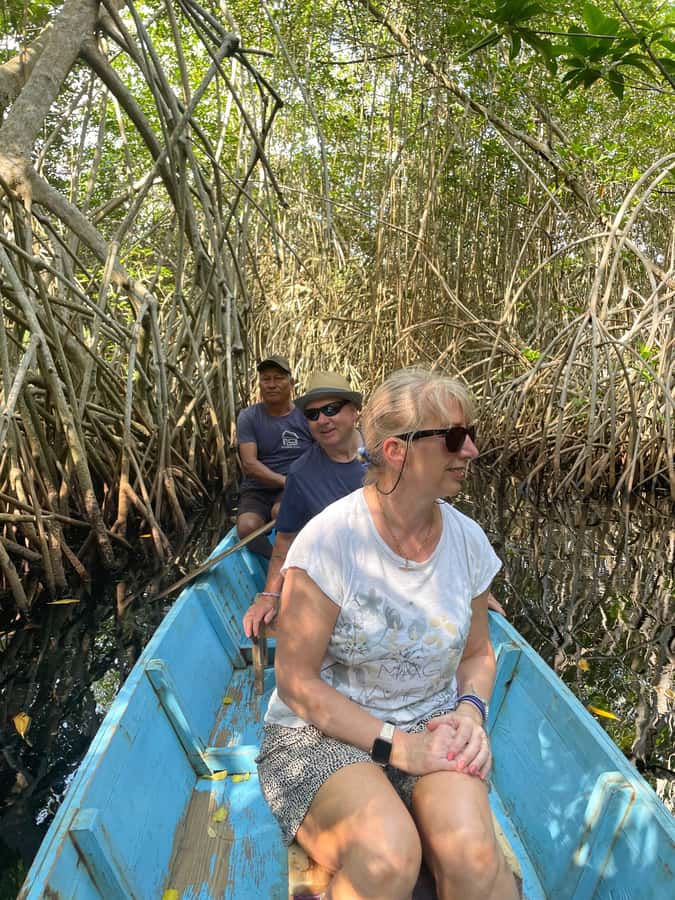
You’ll get the best experience if you pack like you’re going outside near water, in sun, and around insects. The provided list is solid, and I’d follow it closely:
- Comfortable shoes (you want grip and comfort for the planting and boat time)
- Sun hat (the sun can be strong even when you’re shaded part of the way)
- Camera (you’ll want to capture wildlife moments and the planting)
- Water (bring enough for the full session)
- Biodegradable sunscreen (important for nature areas)
- Insect repellent (smart for any outdoor water setting)
If you have sensitive skin, consider bringing a second layer too, like a light long-sleeve shirt for shifting sun. The tour is only 1.5 hours, but mangrove areas can change from shady to bright quickly.
Also, since the guide speaks Spanish, consider downloading a few simple phrases before you go. You’ll still be fine, especially with pointing and basic vocabulary, but you’ll enjoy it more if you can respond.
Who Should Book This Tour (And Who Should Skip It)
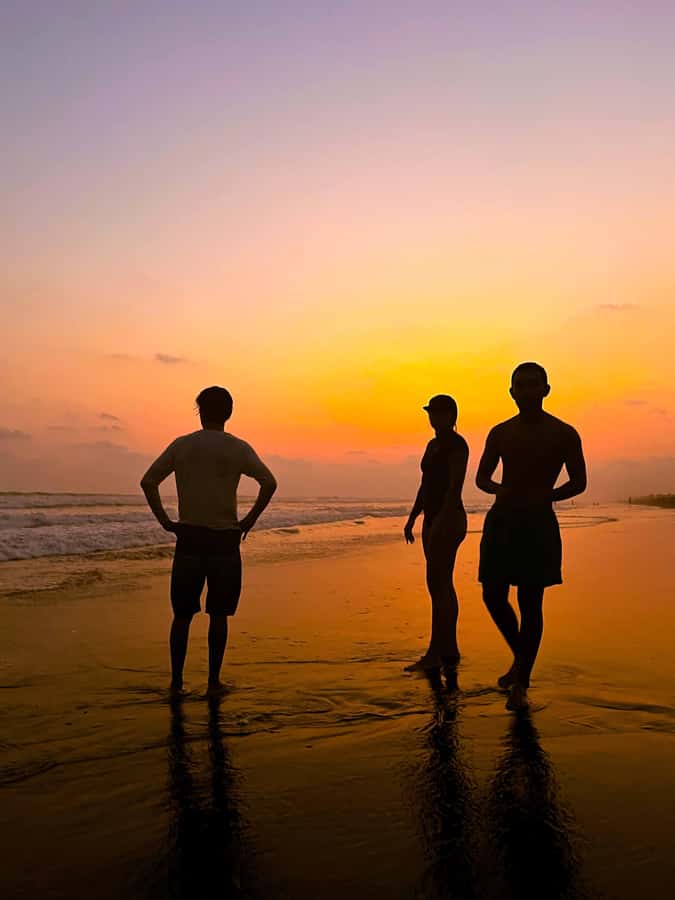
This is a good fit if you want:
- A short, meaningful nature activity in El Paredón
- Up-close wildlife time without hiking for hours
- A hands-on moment, specifically mangrove planting
- The option to try traditional fishing techniques
It may be a weaker fit if:
- You need an accessibility-friendly outing. The tour is not suitable for pregnant women or people with mobility impairments, so it’s important to respect that limit.
- You only care about passive sightseeing. The guide talks, explains, and expects you to engage a bit, especially during planting and fishing.
If you love wildlife spotting, this is one of the more straightforward ways to do it in the area. You don’t need special gear. You just need to show up ready to look carefully.
Should You Book This El Paredón Mangrove Boat Tour?
If your idea of a great Guatemala day includes wildlife, local stories, and a real conservation action, then yes, I think you should book it. The combination of the mangrove boat ride, the chance to plant a mangrove, and optional fishing for no extra cost makes it feel like more than a “standard nature tour.”
A couple of smart calls before you decide:
- If you travel in January to April, you’re more likely to get the best timing for the fishing portion.
- If Spanish is your weak spot, don’t let that stop you. The tour works with basic Spanish and clear guidance, and you’ll still be able to follow what matters.
- If you have mobility limitations or you’re pregnant, skip this one since it is not suitable.
If you want flexibility, booking is designed to be easy. You can reserve now and pay later, and you can cancel up to 24 hours in advance for a full refund.
FAQ
What time does the El Paredón mangrove boat tour depart?
Tours depart at 8:00 AM or 4:00 PM. The best start time depends on your schedule.
How long is the tour?
The tour lasts 90 minutes, about 1.5 hours.
Is the fishing experience included, and does it cost extra?
Fishing is optional and included with the tour at no additional cost.
What is included in the tour besides the boat ride?
You’ll get a guided mangrove tour with a boat ride, the chance to plant your own mangrove, local fishing if you choose it, and stories and insights about the ecosystem and community.
When is the best season for fishing?
The best fishing season is January to April, during the dry season.
What should I bring?
Bring comfortable shoes, a sun hat, a camera, water, biodegradable sunscreen, and insect repellent.
What language is the tour guide?
The live tour guide speaks Spanish.
How does pickup work for this tour?
The provider will send you the pick up point to your WhatsApp.
Is the tour suitable for pregnant women or people with mobility impairments?
No. The tour is not suitable for pregnant women or people with mobility impairments.
Just reviewed around El Paredon
- El Paredón: Traditional Cooking Class with a Local Family★ 4.8 · 4 reviews
Cruises & Boat Tours, compared.
Lake Atitlán Sightseeing Cruise with Transport from Antigua
Read our review →
Guatemala or Antigua Guatemala: Lake Atitlán Boat Cruise
Read our review →
Lake Atitlán Sightseeing Cruise with Transport from Guatemala City
Read our review →
Lake Atitlan Day Tour from Antigua or the City | Boat & Villages
Read our review →
Lake Atitlan Guided Tour by Boat from Panajachel
Read our review →
Lake Atitlan Day Tour from Antigua or City | Boat & Villages
Read our review →
Lake Atitlán and San Juan La Laguna Day Trip by Boat from Guatemala City
Read our review →
Atitlán Boat Tour Explore Guatemala’s Most Beautiful Lake
Read our review →Browse the lists this tour appears in