
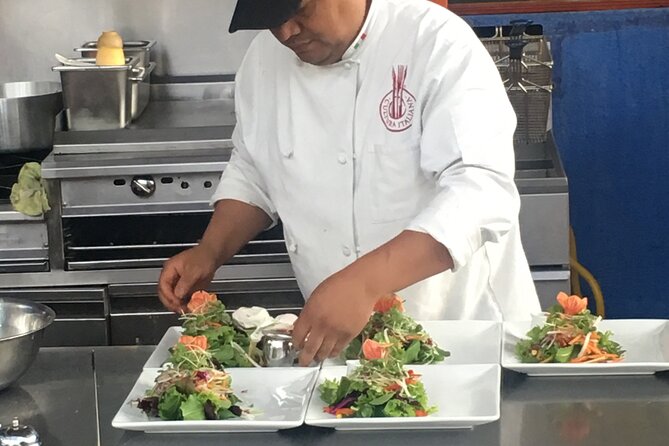
Reviewed · MAYAN CULTURE TOURS IN LAKE ATITLAN
Maya Cooking Class from Panajachel
A Maya cooking class near Lake Atitlan is one of the best ways to understand Guatemalan food beyond a menu. You work at the cutting board, the stove, and the mortar, learning techniques that reflect both Mayan traditions and Spanish colonial influence. I love that it is hands-on the whole time, and I love that you leave with a printed recipe set you can use later.
One thing to plan for: there is no hotel pickup, so you will need to get yourself to the meeting point in Santa Cruz la Laguna. If you are staying in Panajachel, that usually means coordinating the boat and a short ride over, so build a little buffer.
Key things to know before you cook
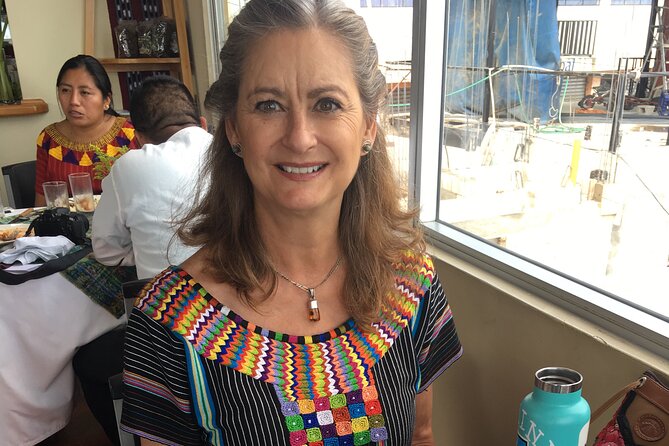
- Small groups (max 8) so you actually get to participate, not just watch
- Three dishes plus lunch so the class ends with you eating what you made
- Local family hosts and real home-kitchen pacing, often with translation support
- Traditional methods like learning to make tortillas from scratch
- Recipe book included so the flavors are repeatable at home
- English or Spanish instruction depending on the class
Santa Cruz la Laguna is the right kitchen for a Maya lesson
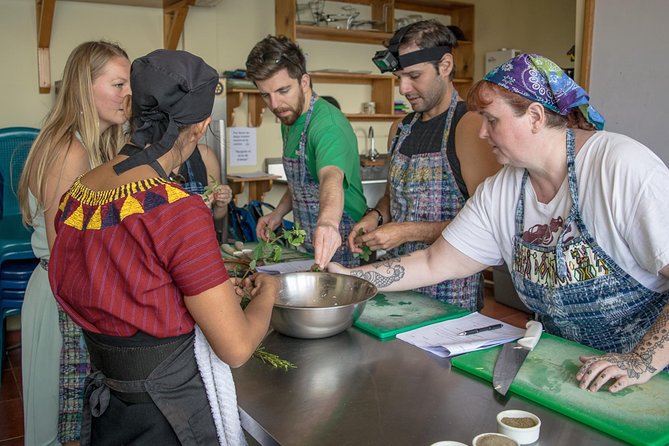
Panajachel is the gateway, but the cooking class happens in Santa Cruz la Laguna, where Lake Atitlan’s daily rhythm shapes everything. In this setting, food is not treated like a performance. It is treated like work, then like hospitality.
What I like about this kind of setup is how practical it feels. You learn what matters for flavor, not just what looks impressive. The best moment is often when you realize that the dishes are built from a few core techniques and ingredients, then shaped by regional habits and family preferences.
The story behind the food is also part of the point. Guatemalan cuisine carries Mayan roots, then blends in Spanish colonial ingredients and cooking styles over time. In the class, you do not just hear that history. You see it in the way tortillas are handled, how sauces come together, and how a sweet course gets its character.
You should also expect the vibe to be warm and family-centered. Several hosts in this area, including people named Alicia and Alfredo, teach in a welcoming home or small shop setting, with family members helping when translation is needed.
More Mayan Culture Tours in Lake Atitlan
- Lake Atitlan: Mayan Ceremony at the Sacred Caves
★ 5.0 · 52 reviews - Lake Atitlan: Mayan Ceremony at the Sacred Caves
★ 4.8 · 37 reviews - Lake Atitlan Lower Mayan Trail Hiking Tour from Panajachel
★ 4.5 · 15 reviews
Price and value: what $49.50 buys you in real terms
At $49.50 per person, this class is priced like a “short experience with a meal,” not a fancy restaurant substitute. And that is exactly what it is. You are paying for three things: hands-on cooking time, instruction, and a lunch that is not an afterthought.
Here is what makes the value work:
- You cook multiple components, not just one dish.
- You get a printed recipe set so you can recreate the dishes later.
- Lunch is included, and you eat what you helped make.
Also, small-group size matters for value. With a maximum of 8 travelers, you are less likely to spend the whole class waiting your turn. The reviews around this experience consistently highlight that everyone participates step-by-step, even when the group is a mix of Spanish speakers and English speakers.
One more practical note: since there is no hotel pickup, your true cost is mostly about your own local transport. If you already plan to travel between Panajachel and Santa Cruz la Laguna anyway, the cooking class price feels straightforward.
How the class runs in about 3 hours, start to finish
The meeting point is Santa Cruz la Laguna, and the experience ends back there. The class duration is listed at about 3 hours, and the description talks about a 4-hour cooking block. Either way, plan for a half-day that is longer than a quick snack, but short enough that you are still able to enjoy Lake Atitlan afterward.
A typical flow looks like this:
- Arrival and orientation
You meet the hosts and get briefed on the plan. If you want specific dishes, you usually get to choose from the menu of options offered for that day.
- Hands-on prep
You start working through ingredients and steps. One of the most praised moments is tortilla-making from scratch, which gives you a real sense of texture and timing.
- Main dish and sauce building
Many classes in this area include a classic chicken-based course such as pepian de pollo, and other Mayan-influenced favorites like jocon show up in similar menus. You are not just tasting, you are learning how sauces get depth.
- Dessert and finishing
Sweet courses often include chocolate flavors and sometimes plantains, depending on what is selected. You learn how to bring it together so it tastes balanced, not just sweet.
- Sit down to eat
Lunch is served as the class winds down. People also mention fresh homemade juice and other drinks, plus coffee sometimes served from a garden.
There is usually plenty of time for questions. And because this is taught in English or Spanish, you can follow the steps even if your Spanish is basic. In several sessions, translation support comes from the instructor’s family, including helpers named Jared or Macie.
Cooking tortillas, pepian-style comfort, and more
The headline is three dishes. The practical win is that the class covers different culinary skills, so you end up with a more complete toolkit for Guatemalan cooking.
More Mayan heritage tours in Panajachel:
- Iximche Mayan Ruin from Panajachel
★ 5.0 · 10 reviews - Lake Atitlán, Three Mayan Villages Tour
★ 5.0 · 5 reviews - Tour a NGO non profit Vocational Training Center Amigos de Santa Cruz and explore the Mayan village
★ 5.0 · 4 reviews - Lower Mayan Trail: San Marcos to Santa Cruz 4-Hour Hike
★ 4.9 · 3 reviews
Tortillas from scratch
If tortilla-making is on the menu, treat it like the main lesson. Even if you have eaten tortillas your whole life, making them changes how you understand them. You learn how dough feels, how to shape, and how to cook them properly.
This is exactly the kind of step that gets glowing notes, because it is hands-on and immediately satisfying. And tortillas are a bridge dish. Once you understand tortillas, you can connect the dots for the rest of the meal.
Main dish: chicken sauces with real depth
A very common star is pepian de pollo, a chicken stew known for a thick, spiced sauce. In the class, you learn how the sauce is built and how everything turns into something cohesive when cooked down.
Other main dish options you might see include jocon. The important point is not the exact name. It is the method: spice and sauce work, plus the rhythm of simmering until flavor and texture land where they should.
Corn appetizer and vegetable elements
Some menus add a corn appetizer, which helps you see how corn is treated beyond tortillas. You also might make parts of a chicken-and-vegetable mix served with rice, depending on the dish options that day.
This variety matters. It keeps the class from becoming one long repetition, and it gives you more ways to recreate the meal later at home.
Dessert: chocolate and plantain type sweetness
Dessert is often a chocolate-forward course with fruit or plantain elements. Even if your kitchen does not have the exact same ingredients available, you can recreate the idea: dessert that is not overly complicated, but still tastes distinctly Guatemalan.
Because you are in a real kitchen, you also learn pacing, which is hard to get from a cooking video. You learn when things need more time, when to taste, and when to stop.
Lunch with a view: eating like a guest in the home kitchen
The best part of a cooking class is when the room goes quiet and everyone eats. Here, that often comes with the Lake Atitlan scenery and volcano views in the background.
You help prepare the lunch, then you get served the dishes you cooked. That includes at least one main course, often plus a dessert, and you may also get things like fresh homemade juice. Coffee also shows up in some sessions, even described as grown in the instructor’s own garden.
Why this lunch format is worth your time:
- You get instant feedback. If the sauce tastes right in the pot, you will recognize the flavor at the table.
- You leave with confidence. You are not just collecting recipes, you are collecting results.
- It feels social, not transactional. Several hosts are described as welcoming, and you share the meal with the people teaching you.
You should also ask about what each dish is doing. Even simple questions like what makes the sauce thick, or what gives the dessert its flavor balance, tend to get answered as part of the meal.
Language help and the small-group advantage
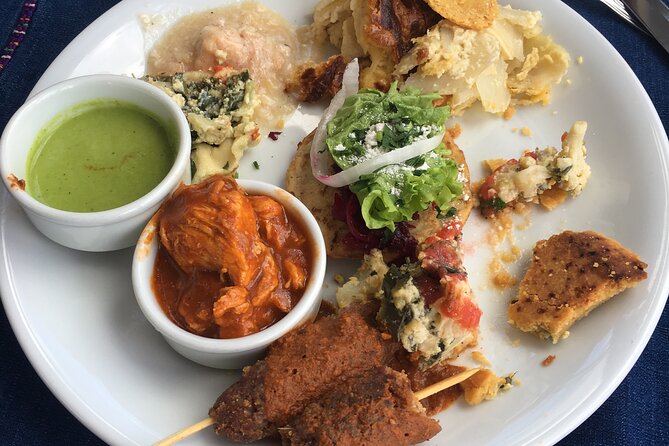
This class is taught in English or Spanish, and that matters because hands-on cooking is easier when instructions are clear. If you pick the English option, you will still benefit from the visual teaching style, but translation help can smooth things out fast.
Many sessions benefit from bilingual family members stepping in when needed. Names that come up include Jared and Vanessa, as well as translators like Macie, depending on the day and the host.
The small group size is the quiet reason the reviews are so strong. With up to 8 travelers, you are not relegated to one station. You can switch tasks and keep moving, which also makes the class more fun.
Upgrades: private lessons and market visits (when it’s worth paying more)
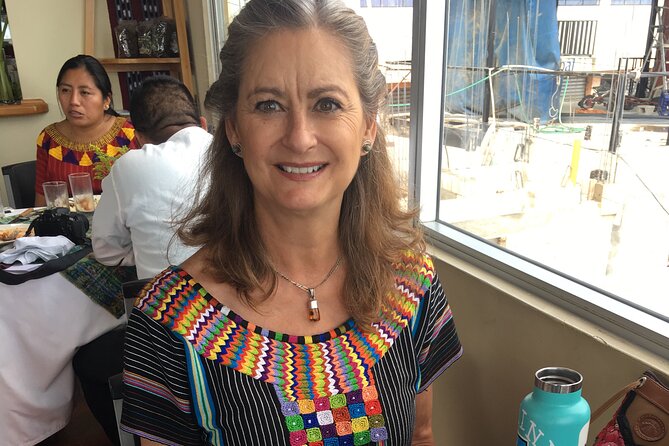
There are optional upgrades available, including private lessons and a market visit. Even if you do not choose upgrades, knowing they exist helps you decide what kind of trip you want.
Consider a market visit upgrade if:
- you want to learn how ingredients are selected and used locally
- you are excited by the shopping-to-cooking connection
- you like getting context for why a dish tastes the way it does
Consider private lessons if:
- you want more time for questions and slower pacing
- you are traveling with kids and want a more flexible rhythm
- your group wants to focus on a specific set of dishes
Private can also be helpful for serious home cooks, because you can ask about substitutions and technique details without worrying about the clock.
Who should book this Maya cooking class from Panajachel
I think this is a great fit for travelers who want food culture that is active, not passive. You will enjoy it if you like learning by doing, and if you are happy to spend a half-day making a meal instead of just watching one.
You are also likely to love it if:
- you care about Mayan and Spanish colonial influence in everyday life
- you want a meal with real technique, like tortillas from scratch
- you are traveling with friends or family and want everyone to participate
It might be less ideal if you strongly prefer big tour convenience. There is no hotel pickup, and you will need to handle your route to Santa Cruz la Laguna. Also, if you want a fully structured “watch then eat” experience with zero hands-on, this one may feel too interactive.
Should you book it, or skip and eat elsewhere?
I would book it if you want a memorable Lake Atitlan food experience that you can recreate. For the price, you are getting more than lunch. You are getting the technique, the recipe printout, and the satisfaction of eating your own cooking.
Skip it only if the lack of hotel pickup would make your day stressful, or if your group does not enjoy hands-on activities at all. Otherwise, this is a strong value, especially because the class is small and you are meant to participate.
If you do book, send your dietary requirements ahead of time. You will also get the most out of it by choosing dishes you genuinely want to cook again later, not just what sounds good in the moment.
FAQ
Where does the Maya cooking class meet?
The experience starts in Santa Cruz la Laguna, Guatemala, and it ends back at the same meeting point.
How long is the cooking class?
The duration is about 3 hours (approx.).
What is included in the price?
It includes a gourmet lunch that you help prepare, instruction during the class, and a printed copy of the recipes you prepared.
Is hotel pickup or drop-off included?
No, hotel pickup and drop-off are not included.
Is the class taught in English or Spanish?
The class is taught in English or Spanish.
What is the group size?
This activity has a maximum of 8 travelers.
Can children participate?
Children must be accompanied by an adult.
What is the cancellation policy?
You can cancel for a full refund up to 24 hours before the experience’s start time. If you cancel less than 24 hours before, the amount paid is not refunded.
More Workshops in Panajachel
- Bean-to-Bar Chocolate Workshop in ChocoMuseo Antigua
★ 5.0 · 353 reviews - Cooking class and market tour/Pepian Workshop
★ 5.0 · 33 reviews - Two Hours Private Backstrap Weaving Workshop in Antigua
★ 5.0 · 27 reviews - Market food tour and tortilla workshop
★ 5.0 · 21 reviews
More Guatemalan Cooking Classes
- Authentic Guatemalan Cooking Class in Antigua
★ 5.0 · 438 reviews - Guatemalan Cooking Class & Market Tour
★ 5.0 · 213 reviews - Guatemalan Cooking Class and Market Tour
★ 5.0 · 145 reviews - Make your own Mayan Pepian – Cooking class
★ 5.0 · 39 reviews
Just reviewed around Panajachel
- Shoreside Lake Atitlan Hike★ 5.0 · 3 reviews
- Shared Transport from Panajachel, Lake Atitlan to Guatemala City★ 3.0 · 3 reviews
- Tour a NGO non profit Vocational Training Center Amigos de Santa Cruz and explore the Mayan village★ 5.0 · 4 reviews
- sunset tour★ 5.0 · 4 reviews
- Shared Transportation from Panajachel or Lake Atitlan to Antigua★ 3.5 · 4 reviews
- Traditional & Colorful Chichicastenango Market Walking Tour★ 4.5 · 5 reviews
- Lake Atitlán, Three Mayan Villages Tour★ 5.0 · 5 reviews
- Lower Mayan Trail: San Marcos to Santa Cruz 4-Hour Hike★ 4.9 · 3 reviews
Mayan Culture Tours in Lake Atitlan, compared.

Lake Atitlan: Mayan Ceremony at the Sacred Caves
Read our review →Lake Atitlan: Mayan Ceremony at the Sacred Caves
Read our review →
Lake Atitlan Cultural Tour Exploring Mayan Villages
Read our review →
Mayan Nose Sunrise Hiking + Chichicastenango Market Tour
Read our review →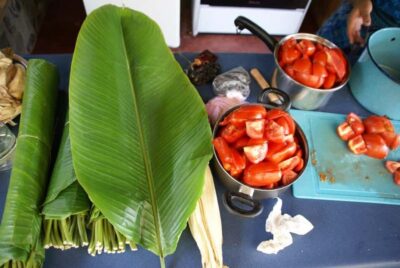

Lake Atitlan Lower Mayan Trail Hiking Tour from Panajachel
Read our review →
Browse the lists this tour appears in