
Reviewed · DESSERT TOURS
Discover Chocolate Making in Antigua Guatemala
Chocolate making in Antigua Guatemala is interesting because you do not just taste chocolate, you trace it back to cacao itself and watch how it turns into drinks and candy. I like the way the session mixes hands-on work with a clear story of how cacao moved from Mayan use into the chocolate we know today.
Two things I especially liked were getting to roast and dehusk cacao beans myself, and then tasting a range from 100% cacao through milk and white. The main drawback to consider is that the class includes a good amount of explanation, so if you prefer nonstop hands-on time, keep that in mind and jump in asking questions.
Key highlights you will feel right away
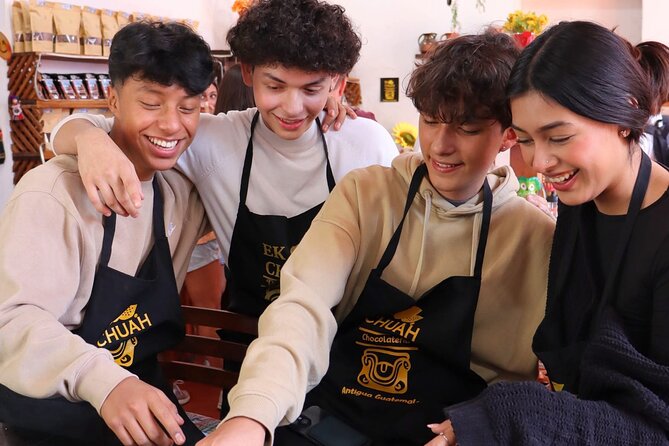
- Hands-on cacao prep: roast beans, then dehusk them so you get hands-on with the fruit-to-chocolate process
- Two drink styles: a Mayan-style hot infusion with honey and chili, plus a European-style drink with milk, cinnamon, and cloves
- A real tasting flight: try chocolate across multiple cacao percentages, including 100%, 90%, 80%, 70%, milk, and white
- Take-home bombons: you get 70g of melted chocolate to mold your own candies, with topping options
- Small group feel: limited to a maximum of 18 travelers for a more personal workshop
- High-energy hosts: some sessions have instructors like Jessica or Ricky who keep the room engaged and moving
Chocolate Making in Antigua Guatemala: What the Class Actually Feels Like
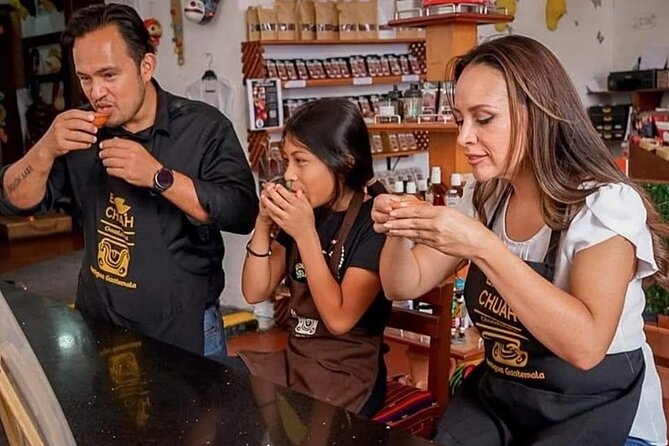
This is the kind of experience that makes you rethink what chocolate is. In 1 hour 30 minutes, you go from cacao fruit to roasted beans, then to ground paste and powder, then into two different hot drinks, and finally into tasting chocolates across the sweetness spectrum.
You are not just waiting your turn. You are pulling cacao beans from their husks, grinding and processing them, and building your own little chocolate shapes at the end. That hands-on part matters, because it turns chocolate from a product into a process you can picture.
A short list of other Antigua options
- Bean-to-Bar Chocolate Workshop in ChocoMuseo Antigua
★ 5.0 · 353 reviews - Private Chocolate Tasting Experience in Guatemala
★ 5.0 · 9 reviews - Guatemalan Bean to Bar, Ceremonial Cacao and Chocolate Experience
★ 5.0 · 8 reviews
Meeting at SKÅL Antigua, Getting Started on Time
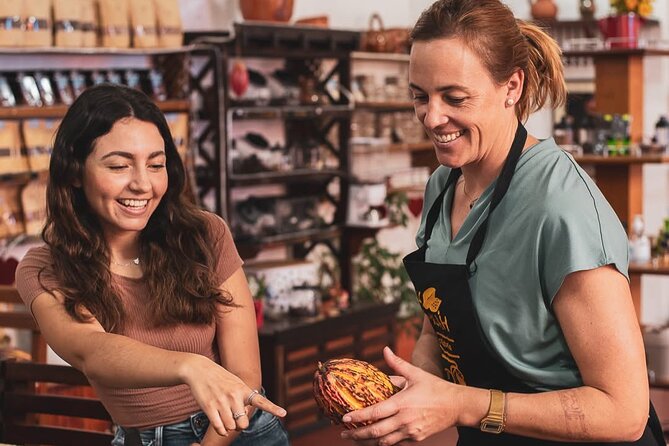
The workshop starts at SKÅL Antigua, 4a Calle Ote. 14a, Antigua Guatemala, Guatemala. It ends back at the same meeting point, so you do not have to worry about returning across town.
The location is near public transportation, which helps if you are staying in Antigua and do not want to solve parking or long taxi rides. Also, you will receive confirmation at the time of booking, so it is straightforward to line up with your day.
One practical note: because you will be handling cacao and working with melted chocolate later, wear comfortable clothes you do not mind getting a little messy. Even when things are tidy, cacao has a way of making your hands look like you worked in a cocoa kitchen.
The Cacao History Part, and Why It Is Not Just Talking
The class begins with the history and process of making chocolate, including how Mayan culture influenced cacao use and development over time. It is not random trivia. It helps you understand why the drinks taste the way they do and why people historically treated cacao differently than we do today.
In practice, the tone can be lively. In past sessions, instructors such as Jessica have been described as friendly, high-energy, and funny. Another host, Ricky, has also been praised for keeping the experience fun and engaging. If you are the type who likes to ask questions, this format works because you are learning and tasting the same lesson in real time.
A possible consideration: some people expect a faster pace of making, and the session does include explanation. If you are the type who gets restless with talks, you can still enjoy it, but plan to stay engaged and jump into the tasting and hands-on moments.
Roasting the Beans and Dehusking Cacao Like You Mean It
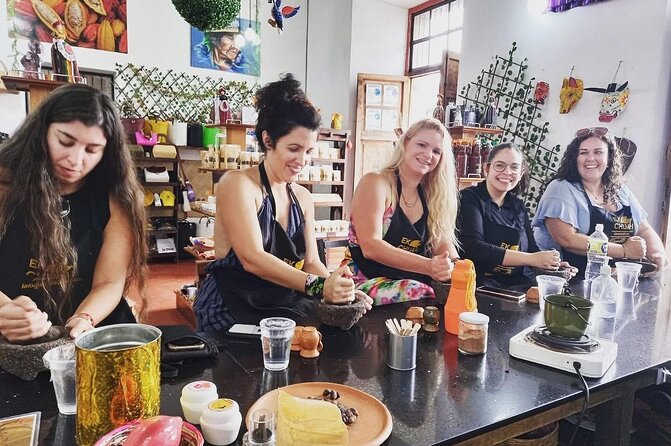
After the intro, you roast some cacao beans, then each participant dehusk their own seeds. This part is one of the most satisfying moments because it is physical. You see the cacao fruit first-hand and you get a real sense of how the edible part is separated from the husk.
You are not just watching. You are doing. And the payoff is that later, when you smell and taste what you prepared, the flavors make more sense.
If you have a camera, this is a good time to snap photos. You will want proof that you did not only eat chocolate, you made the early steps of it happen.
Nearby, and a completely different day:
- From Antigua: Adventure, 2-Day Hiking to Acatenango Volcano
★ 4.4 · 1,189 reviews - From Antigua: Pacaya Volcano Tour in English/Spanish
★ 4.5 · 930 reviews - From Antigua: Pacaya Volcano Trek
★ 4.4 · 798 reviews - Antigua Cultural Walking Tour
★ 4.5 · 725 reviews
Using the Husk for a Hot Cacao Infusion
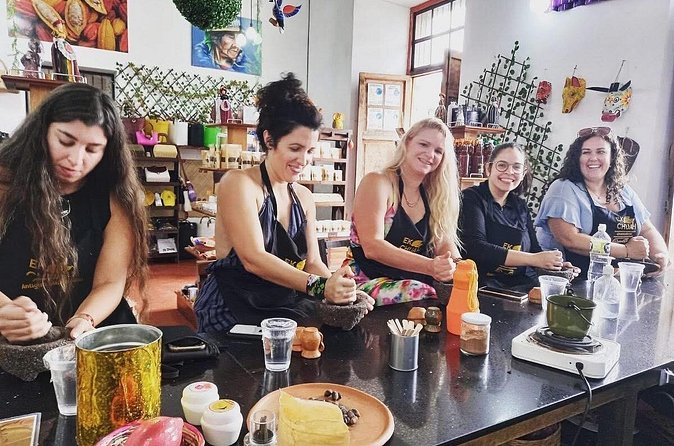
The workshop does something clever: with the husk, you make a hot cacao infusion. That means you are not wasting the parts of the cacao fruit that people might otherwise ignore.
For many visitors, this is a “wait, you can do that?” moment. It helps you understand cacao as a plant and not just as a finished chocolate bar. It also sets up the next steps, because you see how different preparations can change the flavor profile.
Grinding and Mashing: Turning Cacao Seeds Into Drinkable Flavor
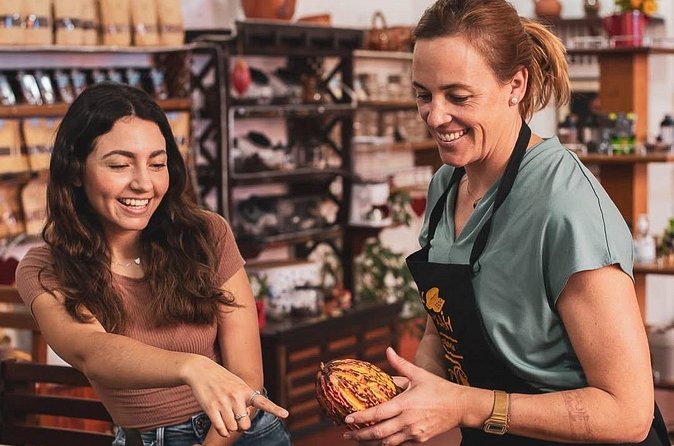
Next comes the part that feels like a cacao transformation ritual. The beans are milled, and you end up with cacao paste and the basis for a drink.
The drink you make uses honey, chili, and a secret ingredient, in a style the Mayans used to drink it. That combo is a big reason this class stands out. Sweetness from honey meets a gentle heat from chili, and the secret ingredient hints that cacao has had a long history of being flavored, not only sweetened.
If you like spicy-sweet flavors, you will likely enjoy this drink most. If spice worries you, taste slowly. The goal is to experience the balance the workshop is aiming for, not to power through it like a dare.
You might also notice something important here: cacao flavor is not just “chocolate flavor.” The aroma and bitterness change based on processing, and this step helps you recognize that shift.
A Second Hot Drink: Milk, Cinnamon, and Cloves
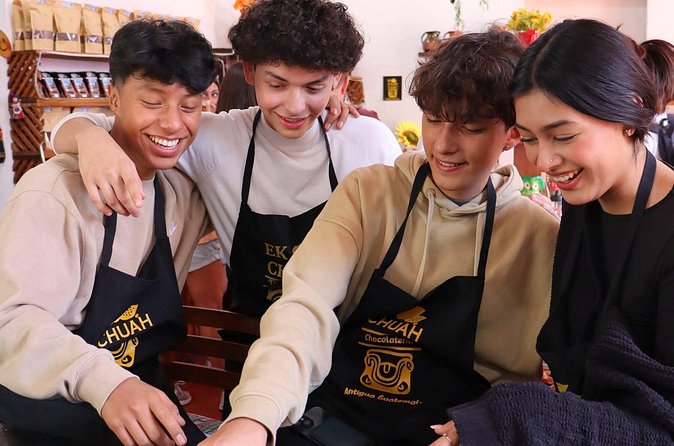
After the Mayan-style drink, you make another drink with milk, cinnamon, and cloves. This mirrors how chocolate was enjoyed in Europe in earlier times.
This drink gives you a contrast you can actually taste. Where the first drink leans into cacao’s raw character with honey and chili, the second one feels warmer and more spiced, with milk rounding out the cacao edge.
This two-drink approach is smart value for your time. In a single afternoon in Antigua, you get a side-by-side taste lesson of two traditions shaping chocolate in different directions.
The Tasting Flight From 100% to White Chocolate
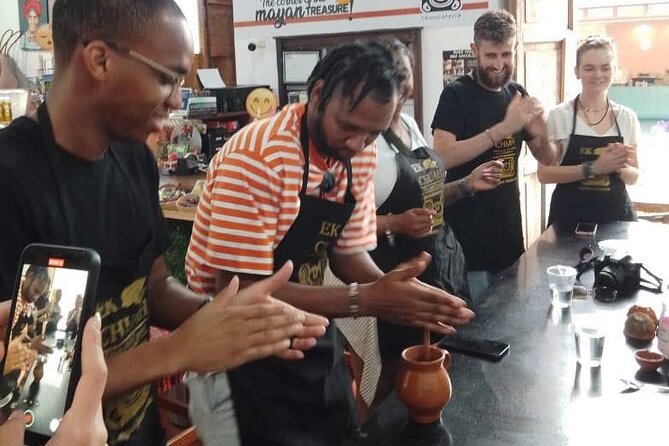
Then you move into a sample test of all the chocolates. The range covers 100% cacao, then 90%, 80%, 70%, plus milk and white chocolate.
This is the moment that makes you understand why cacao percentages matter. Higher percentage chocolate usually tastes more bitter and cacao-forward. Lower percentages generally feel smoother and more sweet.
Practical tip: cleanse your palate between tastes with the drinks you already tried, or take small bites if you are sensitive to strong flavors. If you jump from 100% to white right away, it can feel like whiplash in sweetness.
And if you want to remember something useful after the class, make a mental note of which percentage feels best to you. It is a quick way to turn a dessert habit into an informed preference.
Molding 70g of Chocolate Bombons, Then Customizing Toppings
At the end, each participant gets 70g of melted chocolate to mold their own bombons. You can add different toppings, so your take-home chocolate is not just a generic souvenir.
This is more than a cute finish. It is the final step that connects your experience to something you can actually share or enjoy later. If you have ever bought chocolate in a market and wondered what makes one bar taste different from another, now you have a stronger baseline.
Also, you will likely feel proud here. It is not complicated, but it is satisfying, and you can make it look how you want.
Price and Value: Is $25 Worth It in Antigua?
The price is $25.00 per person, and the session runs about 1 hour 30 minutes. For a working chocolate workshop, that is reasonable, especially because it is not a sit-and-listen tasting.
You get:
- cacao roasting and dehusking with your own hands
- a husk-based hot cacao infusion
- a Mayan-style hot drink using honey, chili, and a secret ingredient
- a second hot drink using milk, cinnamon, and cloves
- a chocolate tasting flight covering 100% through white chocolate
- 70g of melted chocolate to mold your own bombons, plus topping options
In other words, you are paying for instruction, ingredients, and a guided set of tastings plus take-home chocolate. The small group cap of 18 also helps value, because it is easier to ask questions and get attention during the hands-on parts.
If your day in Antigua is short and you want a “do something real” activity, this is a good use of time.
Group Size, Booking Timing, and What to Expect Day-Of
This workshop has a maximum of 18 travelers, which is big enough to feel social but small enough for a workshop vibe. It is also commonly booked in advance, with an average booking window of about 9 days.
That means you should not wait until the last minute during busy weeks. If you want a specific day, book early and give yourself some cushion. If you are flexible, you can often find openings, but popular time slots tend to go first.
Who Should Book This Chocolate Workshop, and Who Might Skip It
This is a strong fit if:
- you like food experiences that include actual making, not only tasting
- you enjoy learning through doing, especially the cacao process and flavor changes
- you want a fun group activity in Antigua that works for couples and families
- you like spicy-sweet and spiced milk flavor profiles
It may not be ideal if:
- you are expecting a pure, fast-paced chocolate production session with minimal explanation
- you want a very laid-back tasting only experience
Because the class is hands-on and structured, even families can enjoy it, including parents looking for a kid-friendly activity that is shorter and interactive.
Quick FAQ for this Antigua chocolate class
FAQ
How long is the chocolate making experience in Antigua?
It lasts about 1 hour 30 minutes.
What does the tour cost?
The price is $25.00 per person.
What is included, and do I get chocolate to take home?
You roast and dehusk cacao beans, make a hot cacao infusion from the husk, make and taste two hot cacao drinks, sample chocolates across multiple cacao percentages plus milk and white chocolate, and you get 70g of melted chocolate to mold your own bombons with toppings.
Where does the experience start and end?
It starts at SKÅL Antigua, 4a Calle Ote. 14a, Antigua Guatemala, Guatemala, and it ends back at the meeting point.
Is the group size limited?
Yes. The tour/activity has a maximum of 18 travelers.
What is the cancellation and confirmation process?
You receive confirmation at the time of booking. Free cancellation is available, and you can cancel up to 24 hours in advance for a full refund.
Final call: Should you book this in Antigua?
If you want an activity that is both delicious and educational, this is a solid choice. You get hands-on cacao work, two distinct hot drinks, a real tasting lineup from 100% cacao to white chocolate, and a take-home box of your own bombons.
I would book it if you like learning through participation and you want a chocolate experience that goes beyond just buying sweets. If you mainly want a fast, minimal-explanation making session, you may want to mentally adjust your expectations and be ready to listen, taste, and jump in during the hands-on steps.
Just reviewed around Antigua
- Walking Tour Antigua, an open Museum★ 5.0 · 4 reviews
- Volcan Pacaya on wheels ATV From Antigua or Guatemala city.★ 5.0 · 4 reviews
- The old UNESCO★ 5.0 · 3 reviews
- Transportation from Antigua to Panajachel★ 4.5 · 4 reviews
- Village Tour in Antigua Guatemala★ 5.0 · 4 reviews
- Tour of towns around Antigua Guatemala and Hobitenango★ 4.0 · 3 reviews
- Tour to the foothills of the volcano on ATV★ 5.0 · 3 reviews
- Private Transfers in Guatemala★ 3.5 · 3 reviews
Dessert Tours, compared.
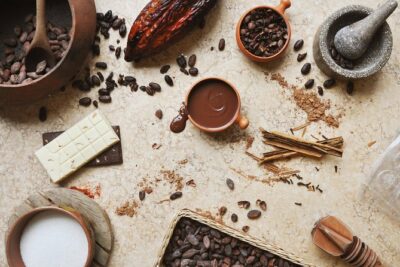
Bean-to-Bar Chocolate Workshop in ChocoMuseo Antigua
Read our review →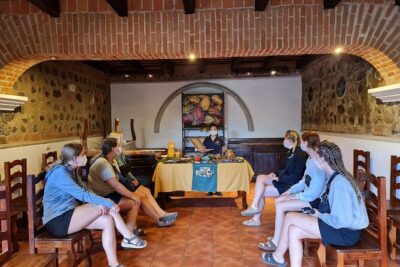
Private Chocolate Tasting Experience in Guatemala
Read our review →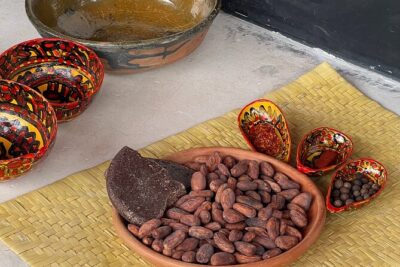
Guatemalan Bean to Bar, Ceremonial Cacao and Chocolate Experience
Read our review →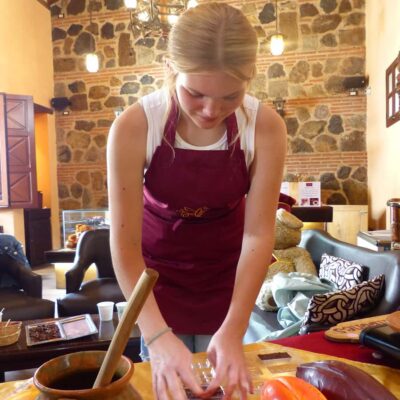
Chocolate workshop; gastronomic experience of cocoa.
Read our review →
Browse the lists this tour appears in