
Reviewed · WORKSHOPS
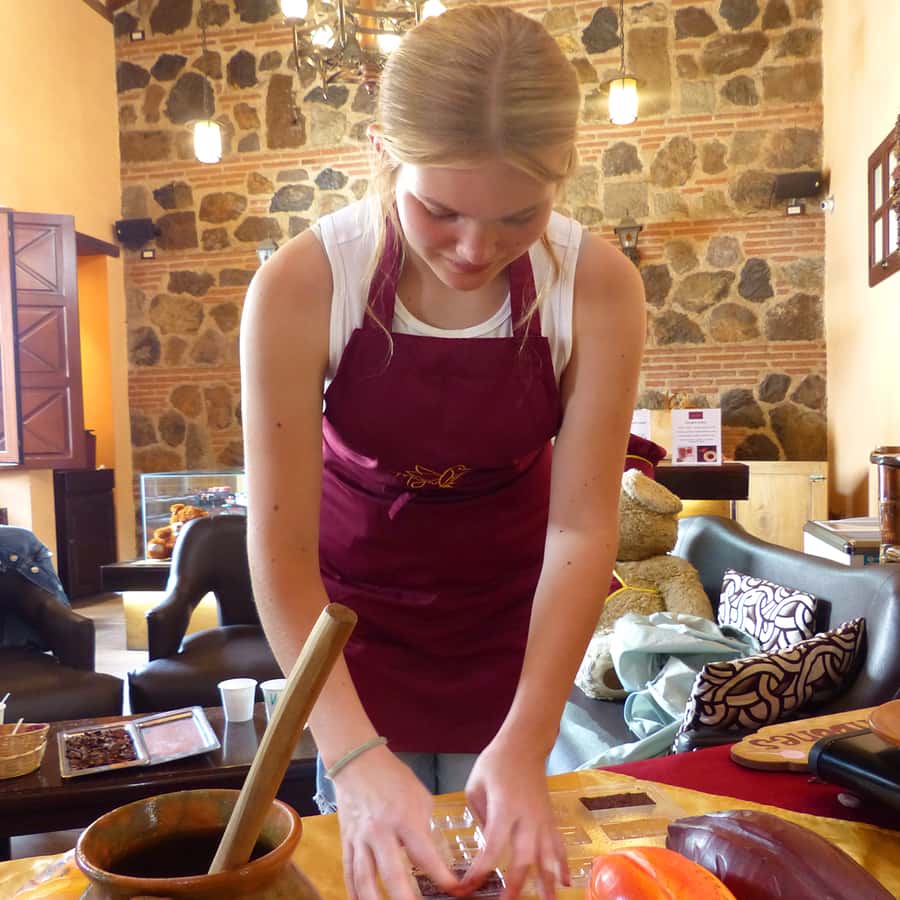
Chocolate workshop; gastronomic experience of cocoa.
Chocolate workshop in Antigua Guatemala is interesting because it turns something most people buy into something you can actually make and taste by process. I like that the focus stays on Guatemalan cacao aromatics instead of just ending with a sweet treat. I also like that you leave with the payoff, a chocolate bar you made from beans to finish. One thing to consider is that it is a Spanish-language experience, so you may want a translation app ready if you are not comfortable speaking Spanish.
What really makes this workshop practical is that you use all five senses, not just your tongue. You learn about cocoa from Mayan times, then you handle the beans through roasting, shelling, grinding, and bar forming, so each step makes sense in your hands and on your palate. The class is small and private, which keeps the pace friendly and questions welcome.
Key things to know before you go
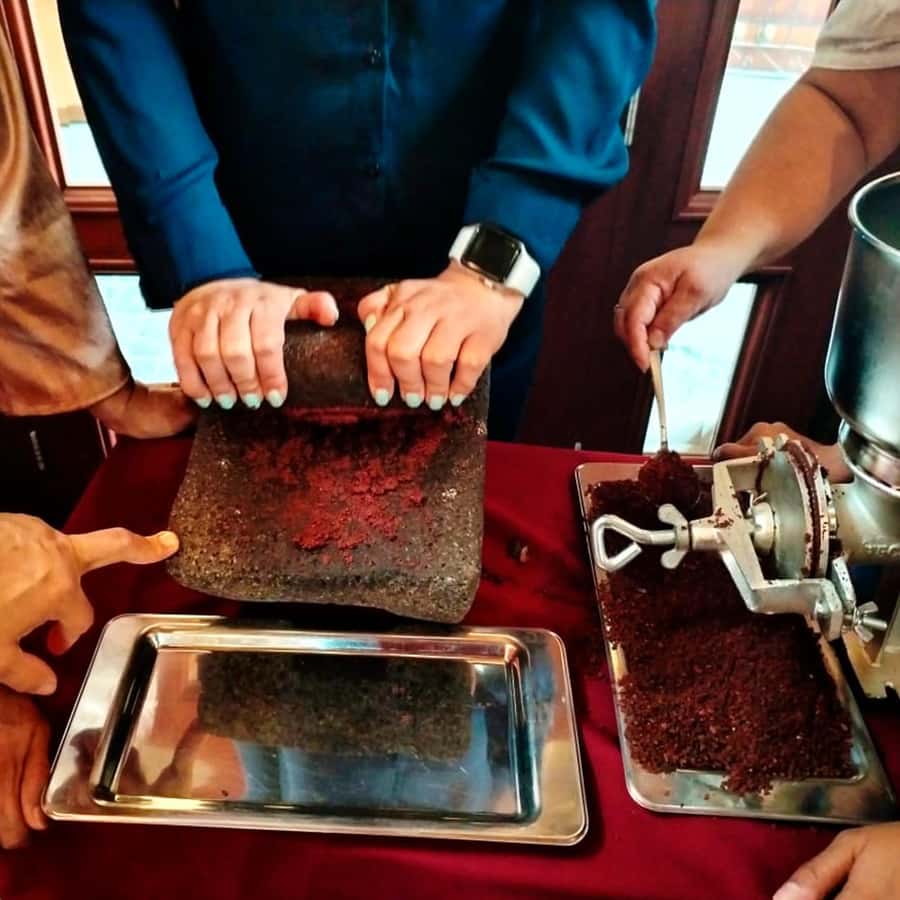
- Hands-on cocoa making: you roast, shell, and grind your own cacao.
- Five-senses tasting: aroma and flavor get treated as part of the lesson, not an afterthought.
- Mayan cacao context: you start with the origin, importance, and uses from Mayan time.
- Take-home reward: you leave with a chocolate bar made by you.
- Spanish instruction: plan for that, even if you can get by with tools like Google Translate.
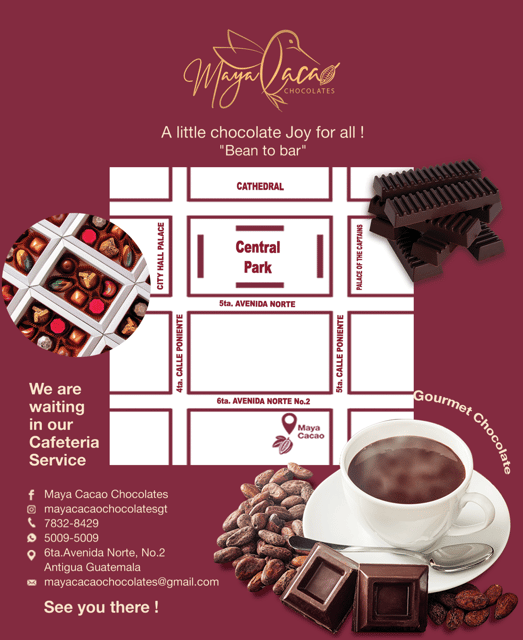
- Find it fast: the meeting place is near Parque Central, in a mustard-colored house with a plush host at the door.
Antigua’s cacao workshop: what you actually do in 1 day
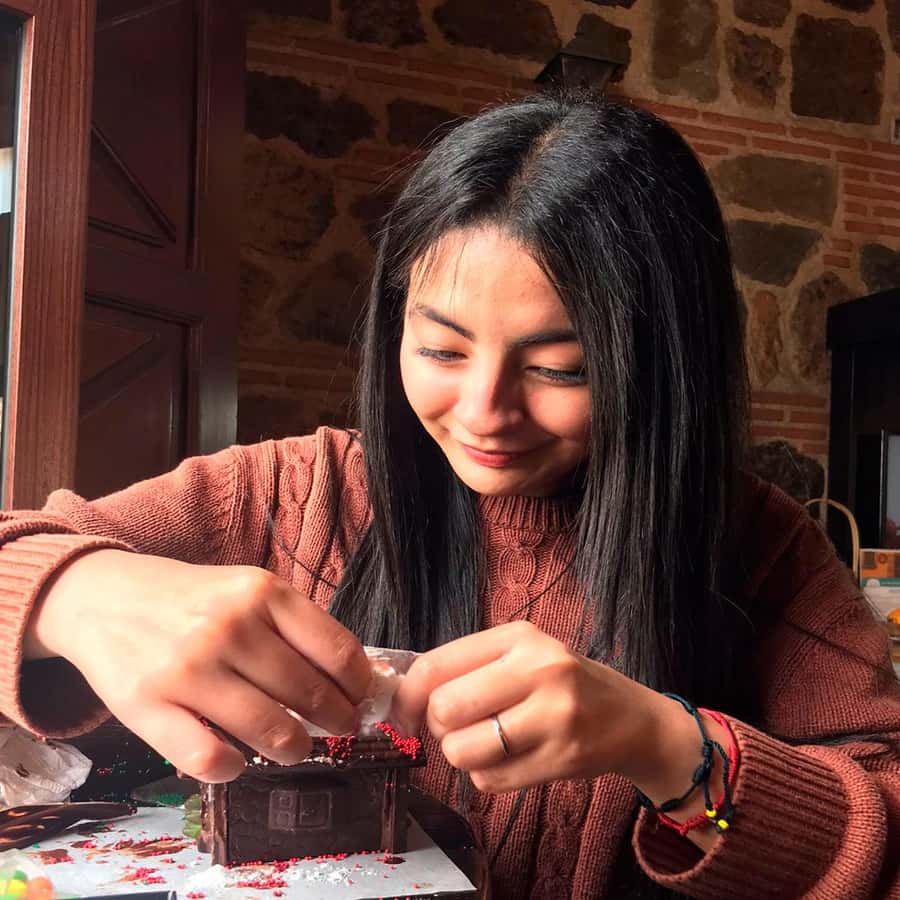
This is a focused, one-day experience built around a simple idea: cocoa is not one flavor. It is a chain of tiny changes, and you can smell and taste those changes step by step. The workshop runs about 1.5 hours once you are in, but it fits neatly into an Antigua day because the meeting point is close to the center.
The price is $32 per person. For Antigua, that is not a bargain price, but it is also not just a tasting flight. You get materials, multiple tastings, and a finished chocolate bar you make. If you care about the difference between a raw bean smell, a roasted cocoa aroma, and the final bar flavor, the value starts to make sense quickly.
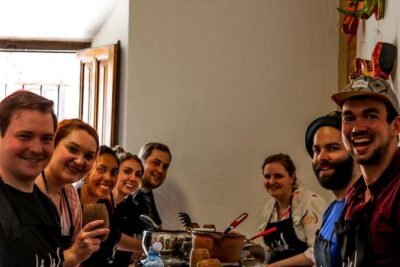
You will do this in a private group, so you are not stuck watching someone else work while you sit and hope. That private format matters for two reasons. First, it makes it easier to ask questions if you have them. Second, if your Spanish is limited, the instructor can often slow down and work around it.
A short list of other Antigua options
- Authentic Guatemalan Cooking Class in Antigua
★ 5.0 · 438 reviews - Bean-to-Bar Chocolate Workshop in ChocoMuseo Antigua
★ 5.0 · 353 reviews - Guatemalan Cooking Class & Market Tour
★ 5.0 · 213 reviews
Where to go in Antigua: spotting the mustard-colored house
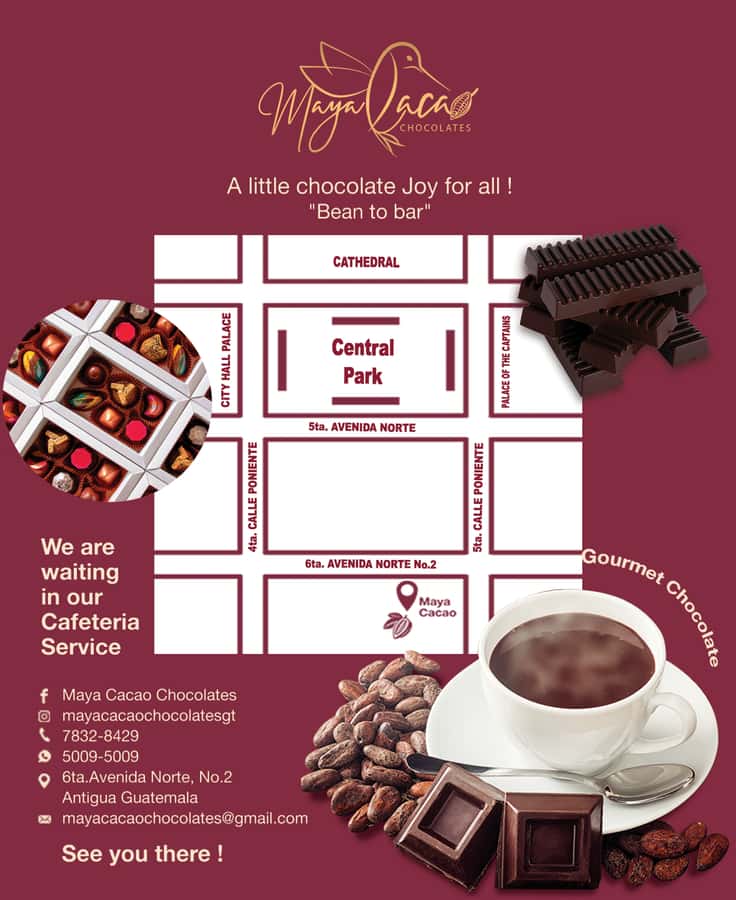
You meet up at 6a Avenida Norte 6, about a short walk from Parque Central. The place is described as a mustard-colored house, and at the door your host welcomes you, with a plush teddy bear mascot. That last detail might sound small, but it helps a lot when you are walking Antigua streets trying to match buildings in your head.
My practical advice: give yourself a little buffer time. Antigua is compact, but turns can be confusing if you arrive right on the hour. If you want to reduce stress, have Google Maps open and confirm the exact address before you start walking.
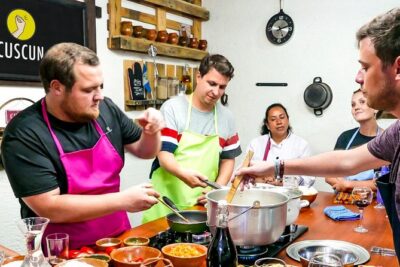
Once you are there, the vibe is set right away. You are not going to a big factory tour. You are stepping into a home-style workshop where you are expected to participate.
Starting with Mayan cacao: the lesson before the roasting
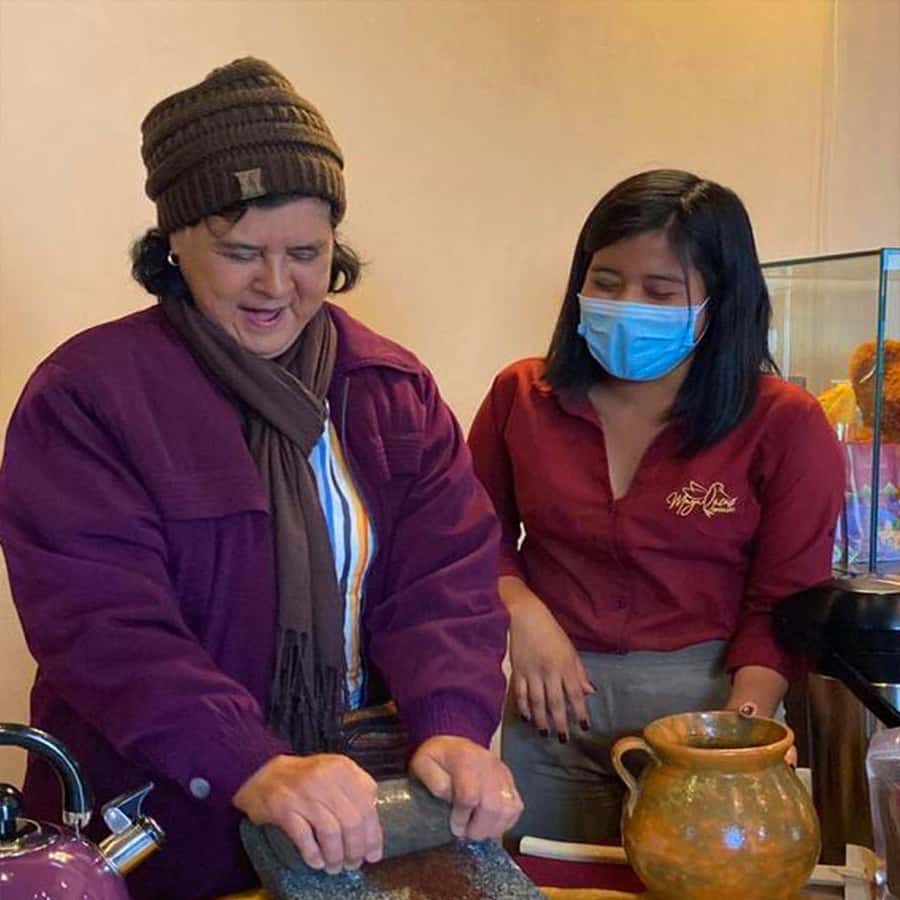
The workshop begins with cocoa in Mayan times. You learn about the origin of cacao, why it mattered, and how it was used. This part is not presented as a museum lecture. It is the foundation for why you are about to smell things and handle beans.
Why this matters for you: it keeps the class from turning into a simple how-to for chocolate. When you understand that cacao had cultural importance long before chocolate bars were mass produced, the later tasting steps feel more intentional. You are not just repeating steps you were told to do. You are learning what each stage might have meant and how those early uses connect to the flavor chemistry behind the scenes.
Expect the instructor to explain in Spanish, and this is where language can be the only real friction point. In at least one group experience, Ingrid was described as especially patient and interactive, even when a family did not speak Spanish well. In another experience, Andrea guided guests start to finish while participants relied on Google Translate and some written information. If your Spanish is rusty, plan to use translation support, and do not worry about needing a little help.
Five senses cocoa tasting: smelling the difference that matters
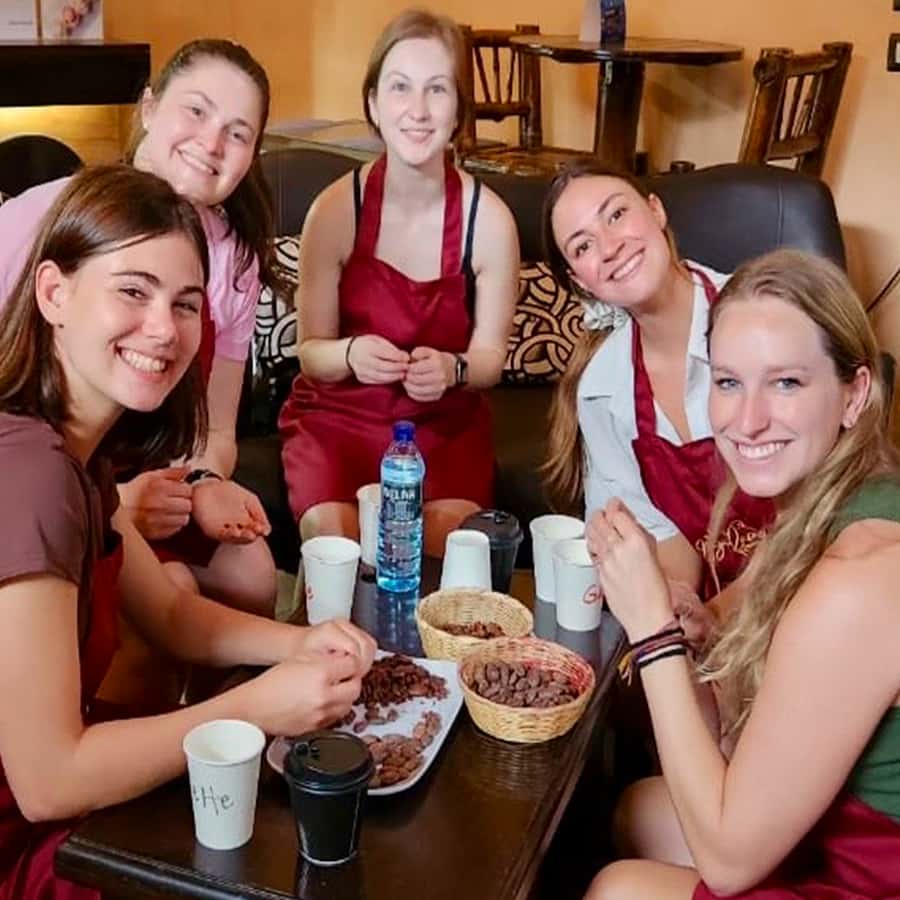
Next comes the sensory portion. You use five senses to enjoy aroma and flavor in the different cocoa processes used in Guatemala.
This is one of the best parts for anyone who has ever wondered why chocolate tastes different even when the label says cocoa. Smell drives a huge part of what you perceive as flavor, and cocoa aroma changes dramatically from bean to roasted product.
You can think of this as training your nose and palate for the workshop ahead. By the time you get to roasting and grinding, you already have a mental map of what to look for:
- Aroma changes as heat is applied
- Different processing affects bitterness and chocolatey notes
- Your nose can tell you when something smells underdone or too roasted
If you love food experiences where the senses are part of the education, you will appreciate this structure. It is not just tasting. It is guided tasting, with the intent behind each smell and sip.
Nearby, and a completely different day:
- From Antigua: Adventure, 2-Day Hiking to Acatenango Volcano
★ 4.4 · 1,189 reviews - From Antigua: Pacaya Volcano Tour in English/Spanish
★ 4.5 · 930 reviews - From Antigua: Pacaya Volcano Trek
★ 4.4 · 798 reviews - Antigua Cultural Walking Tour
★ 4.5 · 725 reviews
Sorting, roasting, shelling, grinding: your cacao from bean to paste
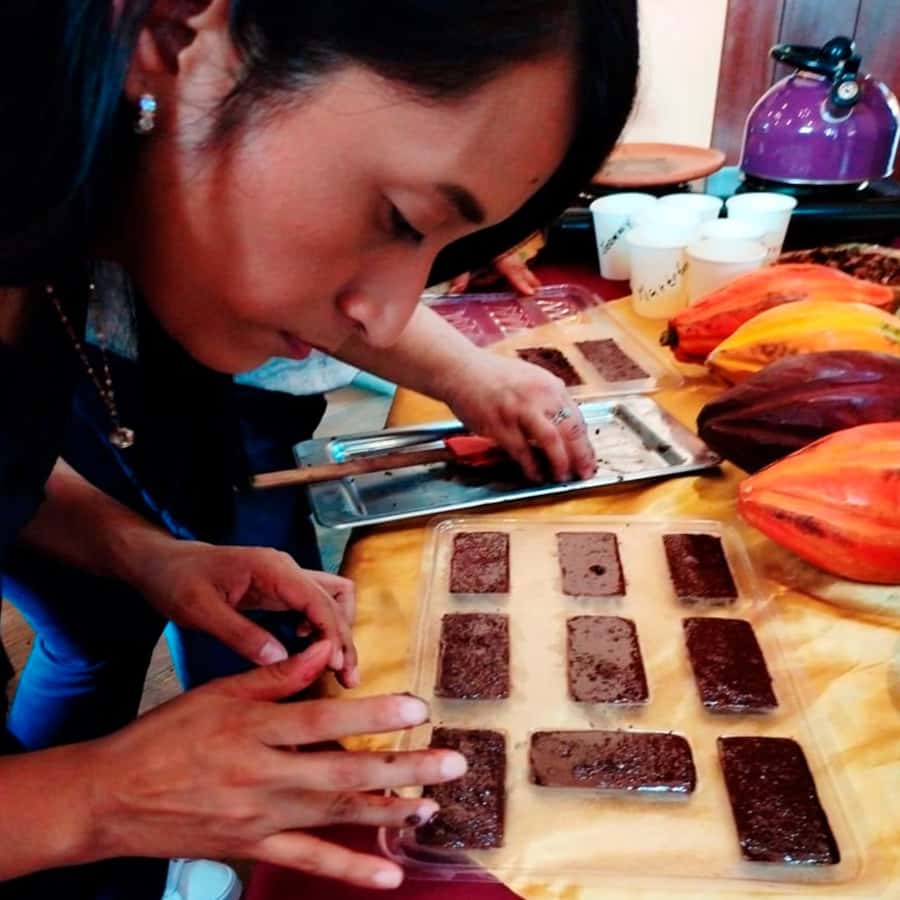
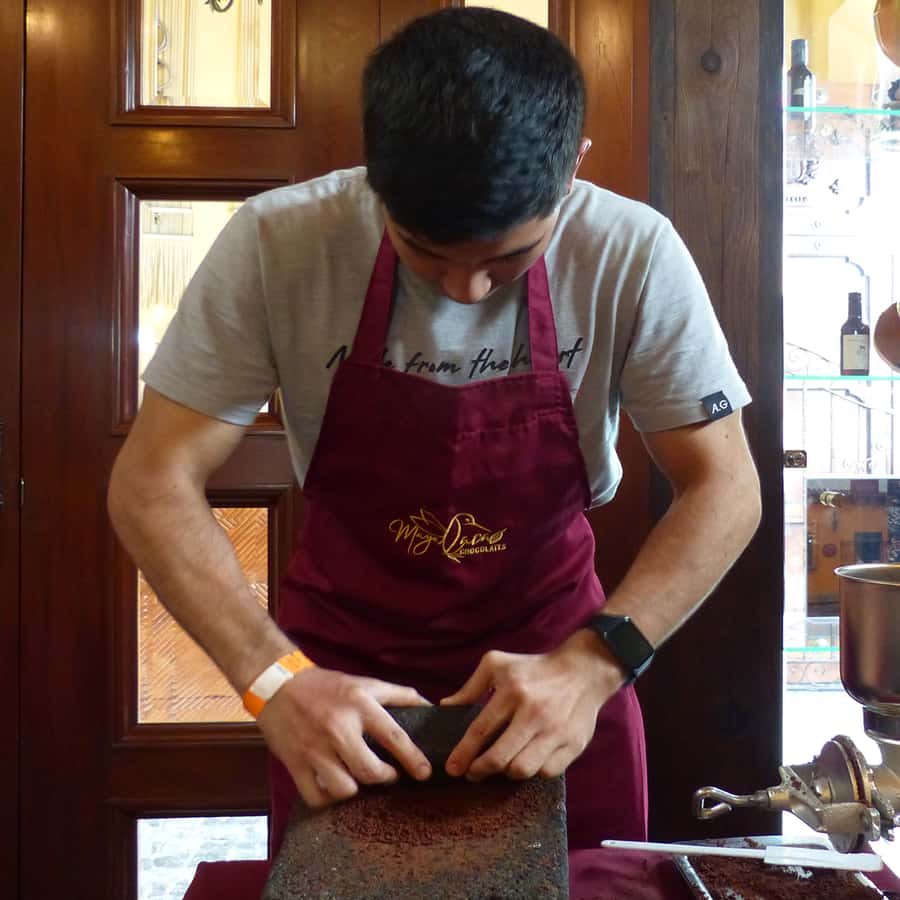
Then you move into the hands-on work. You learn to roast, shell, and grind your own cacao. The goal is not to rush. It is to show you how each step changes what you are working with.
In one class experience, the instructor made it clear from the start, including sorting the beans, then going through roasting and shelling, then grinding and shaping the bars at the end. That sequence is the heart of the value here, because the techniques are concrete. You see, you handle, you taste, and you understand why the next step exists.
Roasting
Roasting is where cacao aroma shifts fast. You should be attentive here. If you smell, watch, and ask questions during roasting, you will get far more out of the rest of the lesson. It is also where the difference between raw bean and chocolate-grade aroma becomes obvious.
Shelling
Shelling is the step that feels slightly more physical. You are separating parts that will not become the chocolate you want. It is also a moment that reinforces the idea that chocolate starts with selection and preparation, not just mixing and melting.
Grinding
Grinding turns cacao into something like paste, the foundation for the final chocolate. Expect the instructor to explain what you are looking for as texture and aroma change. If you enjoy food craft, this is where you will feel proud, because you are actively transforming ingredients rather than watching it happen.
Making your own chocolate bar: the satisfying finish
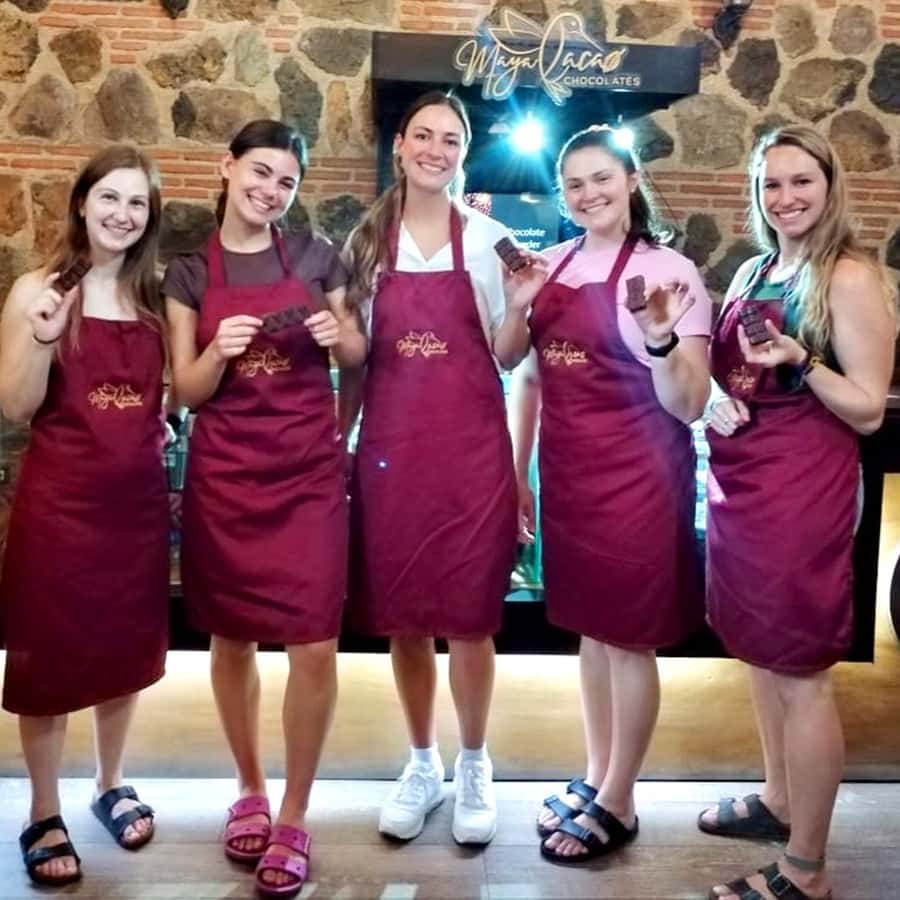
At the end, you take your chocolate made by you. The workshop is designed so you participate in the transformation, from learning and tasting into actually forming the product.
This take-home piece is more than a souvenir. It is a tool for memory. When you eat your bar later in your hotel, you can connect that flavor to the steps you did today. That makes the experience more than a one-hour snack and more like a mini food education you can revisit.
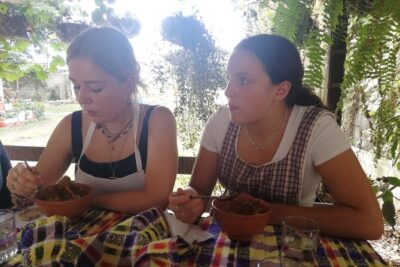
In at least one review, the chocolate quality was described as very good and noted as without preservatives. That is the kind of detail that matters because it supports why the flavor stays focused rather than overly processed. The workshop also includes degustaciones (tastings), plus all materials, so you are not paying extra for the privilege of sampling or for what you need to make the bar.
What the private group format changes for you
Because this is a private group, the experience tends to be more flexible. The pace can adjust to your questions, and you are not forced to keep up with a larger group schedule.
This matters if you are:
- traveling with family and want everyone involved
- not fluent in Spanish and need more time to communicate
- the type who likes to ask why as much as what
In one experience, an instructor helped a non-Spanish-speaking family by translating and staying patient. That style is a big deal in a language-based workshop, because the content is not only about steps, it is also about meaning.
The 5 percent store discount: a small bonus you should use
You get 5 percent discount on the entire store. This is a bonus that is easy to ignore if you are not thinking ahead.
If you enjoy the chocolate you make, you might want to use this discount to buy a few extra bars or cocoa-related items to bring home. Antigua has plenty of souvenir options. This is one that still connects to the real experience you just had.
Who this chocolate workshop is best for
This experience is best if you like chocolate as a food craft, not just a sweet treat. You will enjoy it most if you care about aroma, process, and learning how processing affects flavor.
It is also a good fit for:
- couples and friends who want an interactive Antigua activity near the center
- travelers who like short, concentrated workshops instead of half-day sightseeing
- Spanish learners who can follow along with translation help
It is not designed for little kids. It is not suitable for children under 7. That is a useful rule to respect if you are traveling with younger children, because the activity includes handling steps and a learning format that may be harder to manage for very young kids.
Wheelchair accessibility is also stated, so if you have mobility needs, you can feel comfortable that the activity has been considered for access.
Price and value: $32 for materials, tastings, and a bar you made
Let’s talk value plainly.
At $32 per person, you are paying for:
- materials for cocoa processing
- tastings during the sensory and learning portion
- the chocolate bar made by you
So your money buys more than an explanation. It buys participation. That is why the take-home bar is important. You are not leaving with just knowledge. You are leaving with a product that reflects your work.
Could it feel pricey? Maybe, if you only want a quick chocolate tasting and you do not care about the process. If that is you, you might prefer a simpler tasting elsewhere. But if you want the story plus the craft plus a bar you can eat later, $32 starts to feel fair.
Practical tips to get the most out of your class
Here are the small things that will make a big difference.
- Use a translation app on your phone. You will not need it all the time, but it helps when you want to understand the deeper explanations.
- Pay attention during the aroma stage. Smelling is not optional here. It is literally part of the method.
- Ask questions during roasting and grinding. Those are the moments where you can connect step, smell, and final taste.
- Plan your arrival slightly early. The directions note suggests you might want to double-check how to find the place quickly.
- Wear clothes you do not mind smelling faintly like cocoa after the session. Food workshops do that.
Should you book this Antigua cacao chocolate workshop?
Yes, you should book it if you want a hands-on experience that connects Mayan cacao context to the real changes cocoa goes through. It is a strong choice when you like guided tasting, and you want to leave with something you made, not just memories.
Skip it only if you are seeking a quick, low-effort chocolate snack. This workshop is more craft and process than casual sweets.
If you are traveling in Antigua with some flexibility and you want an experience that feels personal, this is one of the best ways to understand Guatemalan cocoa. The aroma lesson plus the step-by-step bean work makes the final bar taste like proof of what you learned.
FAQ
How long is the chocolate workshop?
The workshop is described as lasting about 1.5 hours, and it is offered as a 1-day experience in Antigua.
How much does it cost?
It is priced at $32 per person.
What is included in the price?
Your experience includes materials, tastings, and your finished chocolate bar that you make during the workshop.
What language is the instructor?
The instructor speaks Spanish.
Is it suitable for children?
It is not suitable for children under 7 years old.
Where is the meeting point in Antigua?
You meet near Parque Central, on 6a Avenida Norte 6, in a mustard-colored house where a plush bear host welcomes you at the door.
Is the workshop wheelchair accessible?
Yes, it is listed as wheelchair accessible.
Is there any discount for shopping after the workshop?
Yes, you get a 5 percent discount on the entire store.
Just reviewed around Antigua
- The old UNESCO★ 5.0 · 3 reviews
- Walking Tour Antigua, an open Museum★ 5.0 · 4 reviews
- Volcan Pacaya on wheels ATV From Antigua or Guatemala city.★ 5.0 · 4 reviews
- Transportation from Antigua to Panajachel★ 4.5 · 4 reviews
- Village Tour in Antigua Guatemala★ 5.0 · 4 reviews
- Tour of towns around Antigua Guatemala and Hobitenango★ 4.0 · 3 reviews
- Tour to the foothills of the volcano on ATV★ 5.0 · 3 reviews
- Private Transfers in Guatemala★ 3.5 · 3 reviews
Workshops, compared.
Bean-to-Bar Chocolate Workshop in ChocoMuseo Antigua
Read our review →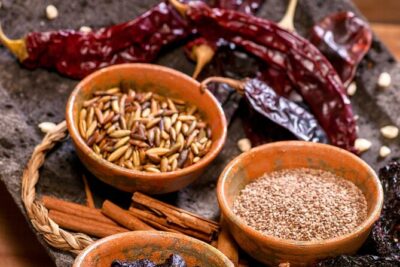
Two Hours Private Backstrap Weaving Workshop in Antigua
Read our review →
Browse the lists this tour appears in