
Reviewed · COFFEE TOURS
Coffee Tour in Antigua Guatemala
Coffee in Guatemala is more than a drink. It is a whole system of people, weather, and patience. This tour is interesting because you see how the farm works, then you taste the result while the details are still fresh in your head.
I like the small-group size because it makes questions easy, and you get real back-and-forth instead of watching from the sidelines. I also like the farm-to-cup tasting, which turns coffee talk into something you can actually measure with your own taste buds. One possible drawback: the price can feel high if you compare it to what you might find through cheaper local options.
Key Things You Will Like About This Coffee Tour
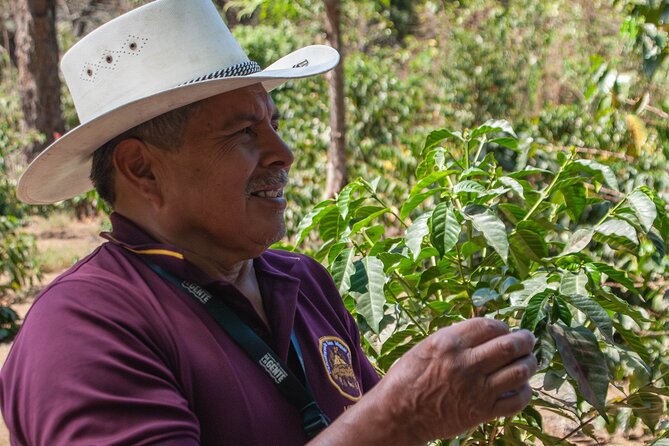
- Farmer-led farm learning: you get the story from the people doing the work, not just a script.
- Guatemala’s coffee regions and stages: you walk through planting, cutting, processing, and the varieties that come from different areas.
- Fresh tasting on site: you try coffee straight from the farm, so flavors feel connected to the process.
- Small group, max 10: it stays personal, with time for questions.
- Morning timing near Antigua: you finish by about 12:30 PM, which keeps the rest of the day open.
Why This Coffee Tour Works So Well Near Antigua
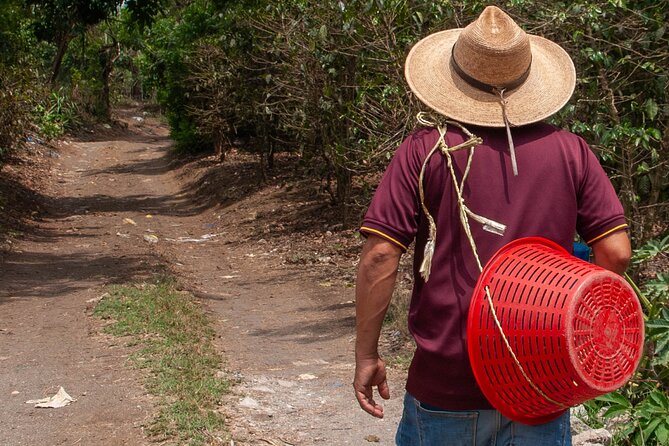
If you come to Antigua looking for culture, this adds a practical layer. You are not just visiting a place, you are learning a chain of decisions that makes Guatemalan coffee what it is. You start with a hotel pickup in Antigua and head out to a working farm, then you come back with a better sense of why the cup tastes the way it does.
I like that the tour focuses on the human side of coffee farming. You are shown how day-to-day labor fits into the bigger picture, including how families plan for their harvest. That matters, because coffee is one of those products that people consume casually but think about very little about how it gets grown.
Another reason this works: the tour is designed to feel like a real farm visit. You are learning in fields and processing areas, not in a showroom. And since the group is capped at 10 people, the guide can explain things at a speed that fits you.
More coffee farm visits near Antigua:
- Antigua ATV Coffee Tour
★ 5.0 · 380 reviews - Coffee and Gastronomic Bike Tour in Antigua
★ 5.0 · 284 reviews - Coffee Tour Adventure Antigua Guatemala
★ 5.0 · 121 reviews
Getting There: Pickup, Morning Flow, and What “Small Group” Really Means
Your day starts with a comfortable pickup from your lodging in Antigua Guatemala. The experience is timed for a half-day block, with the transfer beginning around 9:00 AM. You are then set up for the main farm learning starting around 9:30 AM, and you return to Antigua by about 12:30 PM.
That timing is more than trivia. A farm tour can drag if it starts late or ends too close to lunch chaos. This one lands in the sweet spot, so you can actually absorb what you are seeing before you head back to town for the rest of your day.
The tour runs with a live guide and language support in English and Spanish. And since it is limited to 10 participants, you are less likely to get stuck listening while other people dominate the questions. In the reviews, I saw that the tone is friendly and that people felt comfortable asking questions along the way.
Two practical notes before you go:
- Bring something light for sun and a layer for morning cool air. In this region, temperature can shift quickly.
- Come ready to pay attention. Coffee farming is detail-heavy, and the whole point is connecting those details to your tasting later.
The Farm Visit: Planting, Cutting, Processing, and Varieties You Can Put Into Words
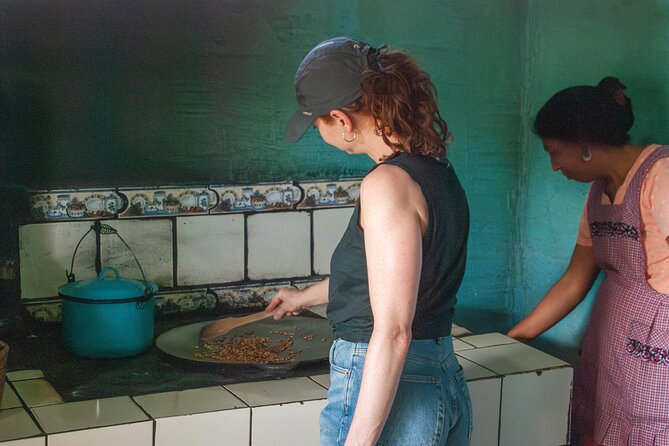
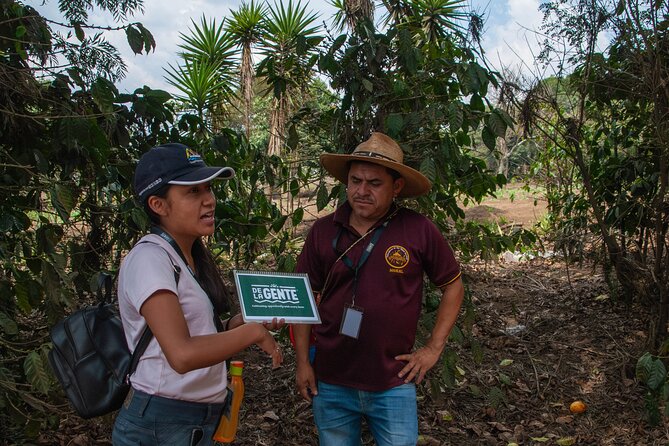
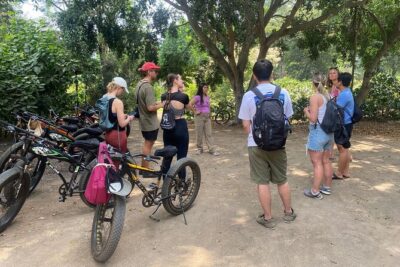
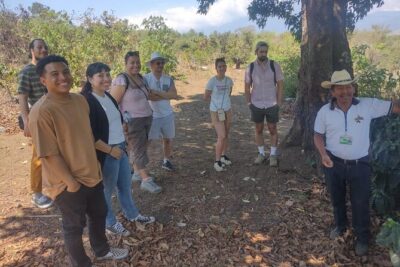
The core of this experience is a traditional coffee farm near Antigua, tied to the Rivera family and their long coffee tradition. You start your farm tour by walking through the stages of production, including planting and cutting, plus what happens afterward in processing. Then you connect those steps to the coffee varieties that make Guatemala’s coffee identity.
What I like most is the way the tour turns farming into a chain of cause and effect. When you learn how coffee is cared for early on, and then you see what changes during processing, you start to understand why different cups taste different. It is not just facts. It is a simple logic you can carry home.
You will also learn about the eight regions that contribute to the richness of Guatemalan coffee. Even if you are not trying to memorize every term, this piece is valuable. Coffee regions are not marketing fluff. They map onto different growing conditions, and that influences the character of the beans.
Expect the guide to explain coffee in a way that is grounded and practical. You are not watching a lecture on a screen. You are standing where coffee grows, smelling the air where the work happens, and hearing how the family organizes their daily routine around coffee.
One thing to keep in mind: some parts of the content may be shown in its original language. That is not a dealbreaker, but if you are sensitive to mixed-language moments, plan to rely on your guide’s English or Spanish translation for the key takeaways.
What If You Prefer Hands-On Learning?
This tour leans more toward guided explanation than active labor tasks. But the benefit is that you still get to move through the farm and see the system as a whole. If you want a coffee crash course with real-world context, this style fits well.
A short list of other Antigua options
- Antigua ATV Coffee tour
★ 4.9 · 113 reviews - Experience: Organic Coffee, Avocados, Honey & More!
★ 5.0 · 101 reviews - Coffee & Macadamia Fincas Tour
★ 4.5 · 53 reviews - Coffee Tour in Antigua Guatemala
★ 5.0 · 34 reviews
Ciudad Vieja: Why the Guided Stop Feels Like More Than a Detour
Part of the morning schedule includes a guided stop in Ciudad Vieja. Even if you only have a half-day, this matters because it places your coffee learning in a broader setting. Antigua and the nearby areas share cultural layers, and a guided component helps you connect the coffee farm to the lived reality of the region.
Also, it breaks up the day. You start with pickup in Antigua, then you move into a guided rhythm, and by the time you reach the farm learning, you are not still stuck in pure transport mode.
I would treat this as a bonus context piece. You are not going to come here to tour a museum for hours. The value is that it keeps your morning moving and helps you understand where your coffee story fits geographically.
The Tasting: How Fresh, Farm-Straight Coffee Changes Your Perspective
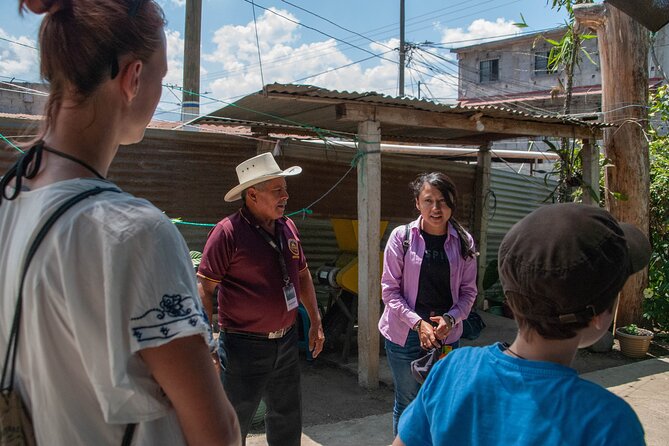
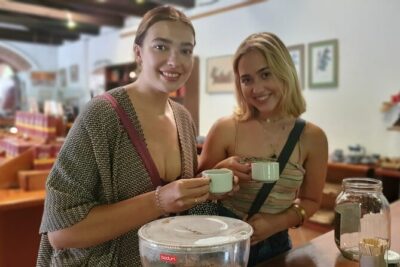
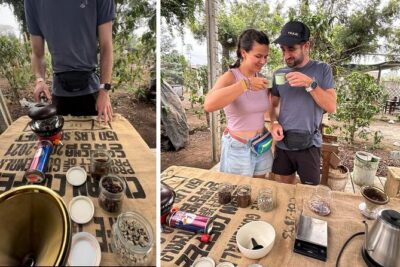
A good coffee tour ends in tasting, but not all tastings teach you anything. Here, the tasting is fresh coffee straight from the farm. That is a huge difference. When you taste something that is directly connected to the farm you just visited, you remember the steps you learned.
During the tasting, pay attention to three things:
- Aroma as it hits your nose
- How it changes as it cools slightly
- Your overall balance, meaning how the flavors feel together rather than separately
The tour’s goal is to help you appreciate the work behind the cup. When you understand the stages, the variety, and the region story, the cup stops being just a pleasure and becomes a little report card on farming decisions.
If you are the type who likes buying coffee as a souvenir, you might like that you can often take something home after learning. One caveat based on real experiences: there may be times when purchasing coffee at the end is limited, such as if the producer sells out the day before. If buying beans is your main goal, don’t assume the tour will always end with a purchase.
Price and Value: Is $69 Worth It for This Half-Day?
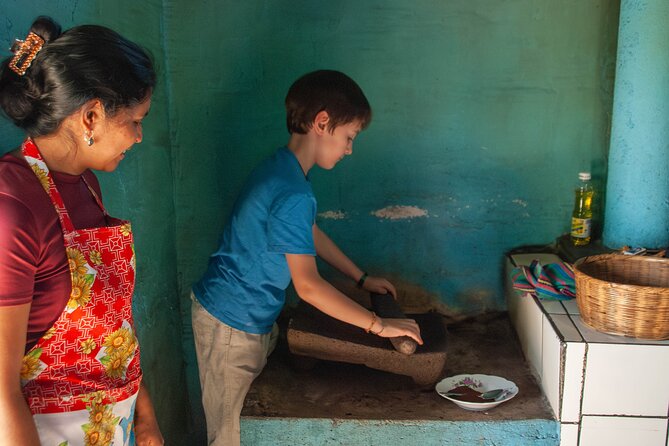
At $69 per person for a 210-minute experience, you are paying for three things: guided farm access, transportation from your lodging, and a tasting. The math only works if those three components feel high-quality, and in this case, the structure is built for that.
Here is how I’d judge value:
- Small group (max 10) is part of the cost. That is what keeps the conversation going.
- Transportation matters because farms are not in Antigua center. You get an organized route without spending your day figuring it out.
- Tasting on site is the payoff. If you just toured and didn’t taste, the value drops fast.
Now, a balanced reality check. One review flagged that the tour can feel overpriced compared to what others paid through different booking paths. That can happen with any popular activity, especially when local arrangements vary. If you are price-sensitive, it is smart to compare options before you commit.
But if you care about a friendly, family-run experience with time for questions and a farm-first approach, this price can feel fair. You are paying to learn the process in context, not just to collect a souvenir cup.
Languages, Group Pace, and What to Expect from Your Guide
The guide is live and the experience supports English and Spanish. In the feedback, people praised the guide’s communication style and how much information they got. The best guides in this category do one thing well: they explain coffee clearly while keeping the tour moving at a pace that feels human.
Because the group is limited, the guide can adjust. That is where the experience tends to win. If you bring curiosity, you get answers.
One more note: in a farm setting, the details can get technical. You do not need to memorize everything about processing or regional differences. What helps most is to think in categories:
- growing stages
- processing steps
- how varieties and regions influence the final cup
If you can keep those buckets in your head, you will come away with real understanding, not just random facts.
Who This Tour Is Best For (and Who Might Want a Different Plan)
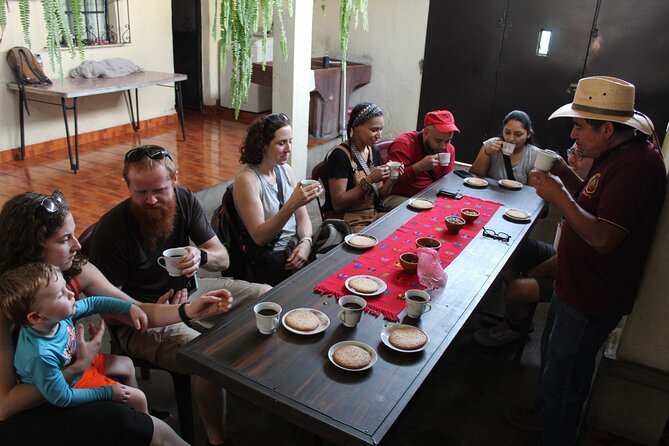
This coffee tour is a great fit if you:
- love coffee and want the “how it gets made” version
- prefer family-run experiences over big bus tours
- like asking questions and getting thoughtful answers
- want a half-day near Antigua that still feels substantial
It is also a solid choice for people who want a cultural experience that is not only buildings and plazas. Coffee farming is local culture in action, and it connects you to how the region supports itself.
Who should think twice:
- If you care most about low price and are comfortable arranging things independently, you might find cheaper alternatives.
- If you are counting on buying coffee at the end, keep expectations flexible. There can be shortages on small farms.
Practical Tips Before You Go
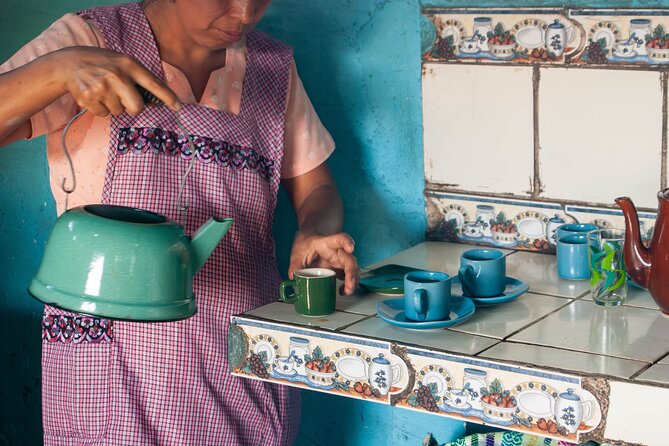
Bring:
- A light layer for the morning
- Sun protection
- A small bottle of water if you get thirsty easily
Your mindset:
- Treat tasting like homework, but fun homework. Take notes in your head.
- Ask questions early. The guide’s value is highest when you engage.
Your expectations:
- This is a farm experience, not a lab tour. You will walk and learn in a real working environment, so wear shoes you trust on uneven ground.
Should You Book This Coffee Tour?
If you want a focused coffee education, with a small group, a farm-to-cup tasting, and the chance to learn from a family-run operation, I think it is a strong booking. It is priced in a way that only makes sense if you care about context, not just the drink.
I would especially book if you are the type who likes to understand what you taste. The tour is built to connect the stages of coffee production to the cup you drink at the end. That makes it more memorable than a generic tasting.
If you are strict about budget or you mainly want to shop for coffee afterward, you may want to compare prices and availability first. Otherwise, for most coffee lovers visiting Antigua, this is one of those morning activities that leaves you with a better appreciation, not just a full belly.
FAQ
What time does the tour start, and when do I return to Antigua?
The experience begins with pickup around 9:00 AM and the farm tour starts at 9:30 AM. You return to your hotel in Antigua Guatemala at about 12:30 PM.
How long is the Coffee Tour in Antigua Guatemala?
The total duration is 210 minutes.
How large is the group, and is there a guide?
It is a small group limited to 10 participants. A live guide leads the tour.
What languages are available for the guide?
The guide offers Spanish and English.
What is included in the price?
Included are the guide, transportation from your lodging, a tasting, and entrance.
Can I cancel, and is pay later available?
You can cancel up to 24 hours in advance for a full refund. You can also reserve now and pay later.
Just reviewed around Antigua
- Volcan Pacaya on wheels ATV From Antigua or Guatemala city.★ 5.0 · 4 reviews
- The old UNESCO★ 5.0 · 3 reviews
- Walking Tour Antigua, an open Museum★ 5.0 · 4 reviews
- Transportation from Antigua to Panajachel★ 4.5 · 4 reviews
- Village Tour in Antigua Guatemala★ 5.0 · 4 reviews
- Tour of towns around Antigua Guatemala and Hobitenango★ 4.0 · 3 reviews
- Tour to the foothills of the volcano on ATV★ 5.0 · 3 reviews
- Private Transfers in Guatemala★ 3.5 · 3 reviews
Coffee Tours, compared.
Experience: Organic Coffee, Avocados, Honey & More!
Read our review →
San Salvador: Full Day Ruta de Las Flores and Coffee Farm
Read our review →
Browse the lists this tour appears in